Biography
Auxentius of Mopsuestia
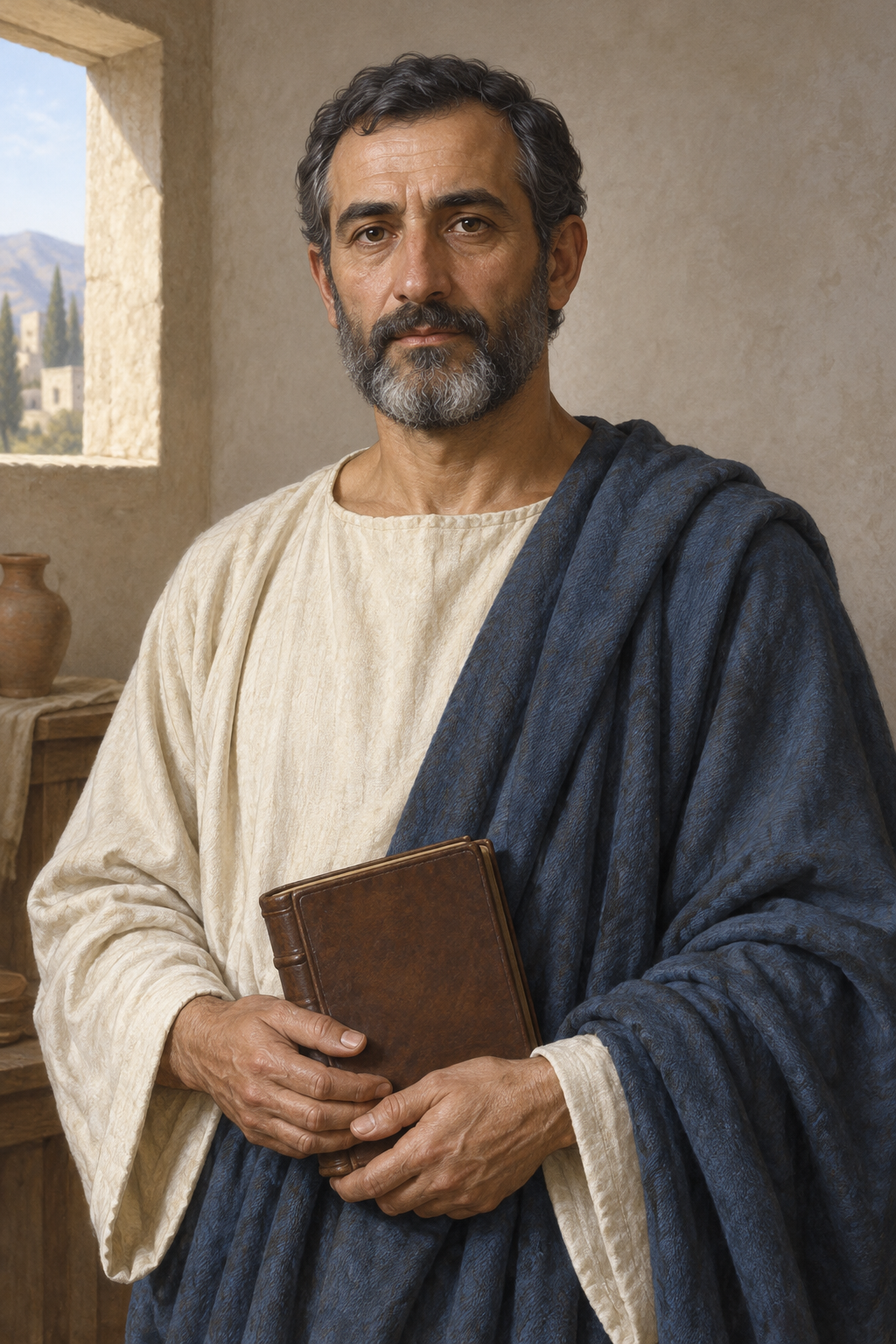
About Auxentius of Mopsuestia
Auxentius was a fourth-century bishop of Mopsuestia. A fragment attributed to Philostorgius remembers him as an imperial military clerk who left service rather than participate in an offering to Bacchus. The story places him in the household of Licinius and says he became bishop after his departure. It describes a confession of Christian faith, not a martyrdom.
In the account, Licinius first asks him to cut a bunch of grapes from a vine in the palace courtyard. Only afterward does the emperor order him to place the grapes before the god’s statue. Auxentius refuses, relinquishes his military belt and leaves. The remembered choice costs him his position, while the narrative does not describe his execution.
Philostorgius’s history also records his kindness toward Aetius during exile at Mopsuestia. The emperor orders Aetius removed after learning of this welcome. The surrounding account places this episode under Constantius, and it belongs to a different setting from Auxentius’s earlier service under Licinius.
The theological setting deserves care. Thomas Shahan’s Catholic Encyclopedia entry reports Tillemont’s suggestion that Auxentius held an Arian position, citing his support for Aetius. This is presented as a historical inference, rather than a surviving personal profession of faith. The same entry explains that Baronius included him in the Roman Martyrology because of the account of his confession. His later commemoration and the question of his theological alignment should both remain visible; the former does not remove the latter.
The scholarly Suda On Line notes distinguish him from other men of the same name and give 360 as his death year. That year is retained approximately here. The surviving material reviewed for this account does not establish a birth date, birthplace or death place. His episcopal seat identifies his ministry, rather than automatically identifying either endpoint of his life.
The Catholic Church in Norway commemorates him on 18 December. Its account preserves his remembrance as a saint and former soldier, but its dating should not be read as a precise record of his final day.
Wondering how to weigh the stories and sources? Learn how to read a saint biography.