Biography
Barbatus of Benevento
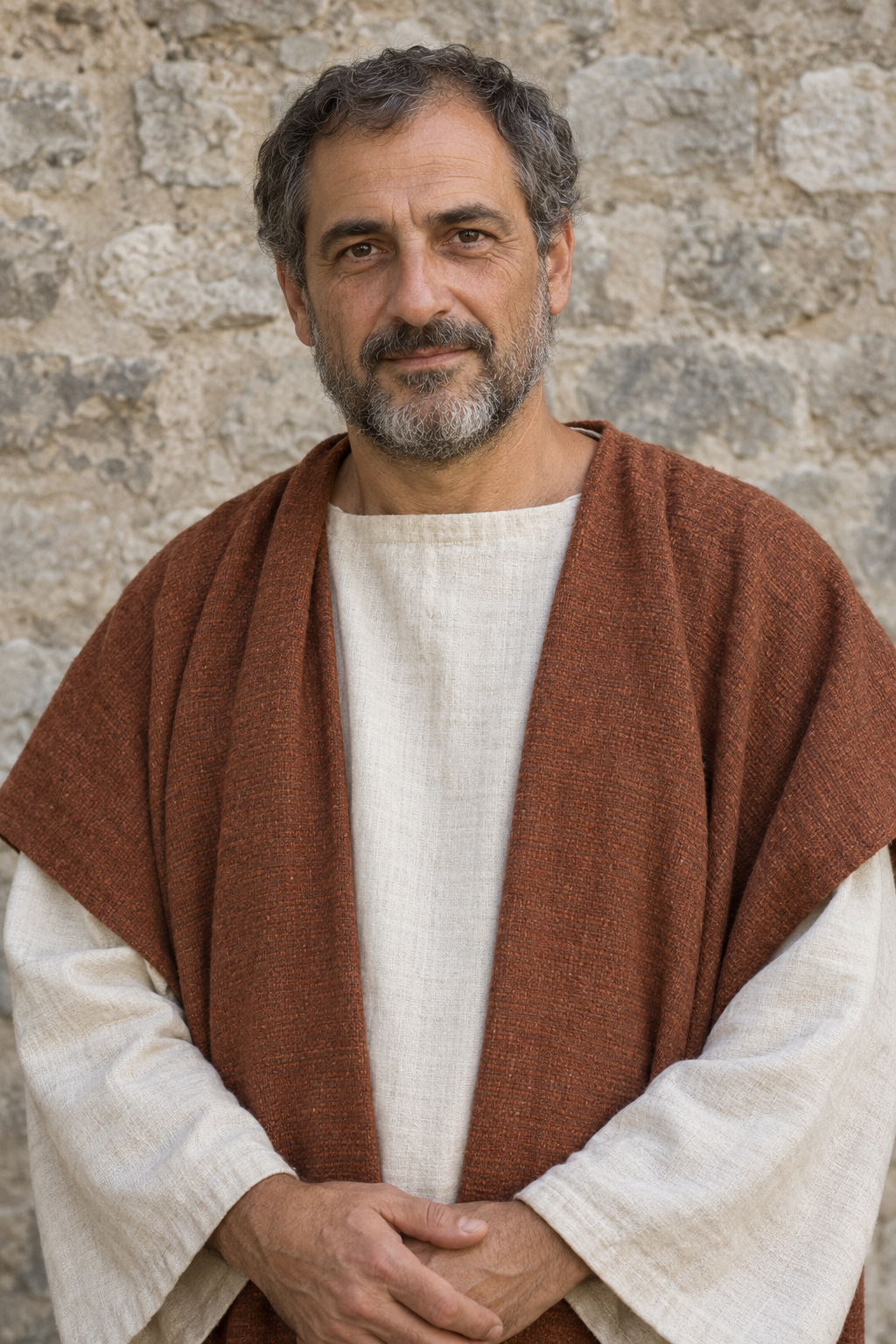
About Barbatus of Benevento
Barbatus lived in seventh-century Benevento, where he became a bishop during the period of Lombard rule. His birth date and birthplace are unknown. Historian Alessandro Pratesi rejects the familiar accounts of a childhood at Cerreto Sannita or Castelvenere and an early parish appointment at Morcone as unsupported. The reliable outline begins with his presence in Benevento during Emperor Constans II’s invasion in 663.
The surviving Life presents him first as a priest confronting religious practices that persisted among baptized Lombards. Its opening describes a serpent image and a sacred tree near the city, with horsemen striking an animal hide suspended from its branches. These details belong to a later religious narrative, rather than to a contemporary description of Barbatus’s ministry.
According to that narrative, the siege became an occasion for Duke Romuald to promise a change in religious allegiance. Barbatus prayed in a church dedicated to Mary, and the story credits divine intervention with the city’s deliverance. It then describes him cutting down the tree and being chosen as bishop. The Life also gives Romuald’s wife, Teoderada, a decisive role: she provides the serpent image, which Barbatus has melted into vessels for the Eucharist.
The Life further remembers an arrangement for church income: portions went to people in need, those serving in churches, repairs to church buildings and the bishop’s own needs. This remains the hagiographer’s account of his administration.
The distance between Barbatus and his biographer matters. Jean-Marie Martin dates the surviving narrative’s final form to the ninth or tenth century. It borrows passages from Paul the Deacon’s history and begins with an adult priest, leaving his childhood and earlier career unrecorded. Martin identifies a further concern within the text: supporting Benevento’s claim to jurisdiction over the sanctuary of Michael on the Gargano. The narrative therefore preserves religious memory alongside later institutional interests.
Georg Waitz’s critical edition compares manuscripts whose wording differs and notes changes and additions by later copyists. The transmitted text cannot supply the precision of a contemporary biography.
Barbatus did take part in the Roman council of 680, convened before the council in Constantinople. Pratesi specifically distinguishes these meetings and rejects the claim that he attended the latter. He also rejects the purported privilege from Pope Vitalian as a later forgery. These distinctions help keep the bishop’s historical record separate from claims subsequently made in his name.
Pratesi records his death on 19 February 682.
Benevento’s Catholic archdiocese continues to list Barbatus among its saints and observes his feast on 19 February. His place in that local calendar preserves the memory of a bishop whose ministry became closely associated with the region’s Christian religious history.
Wondering how to weigh the stories and sources? Learn how to read a saint biography.