Biography
Basilla of Rome
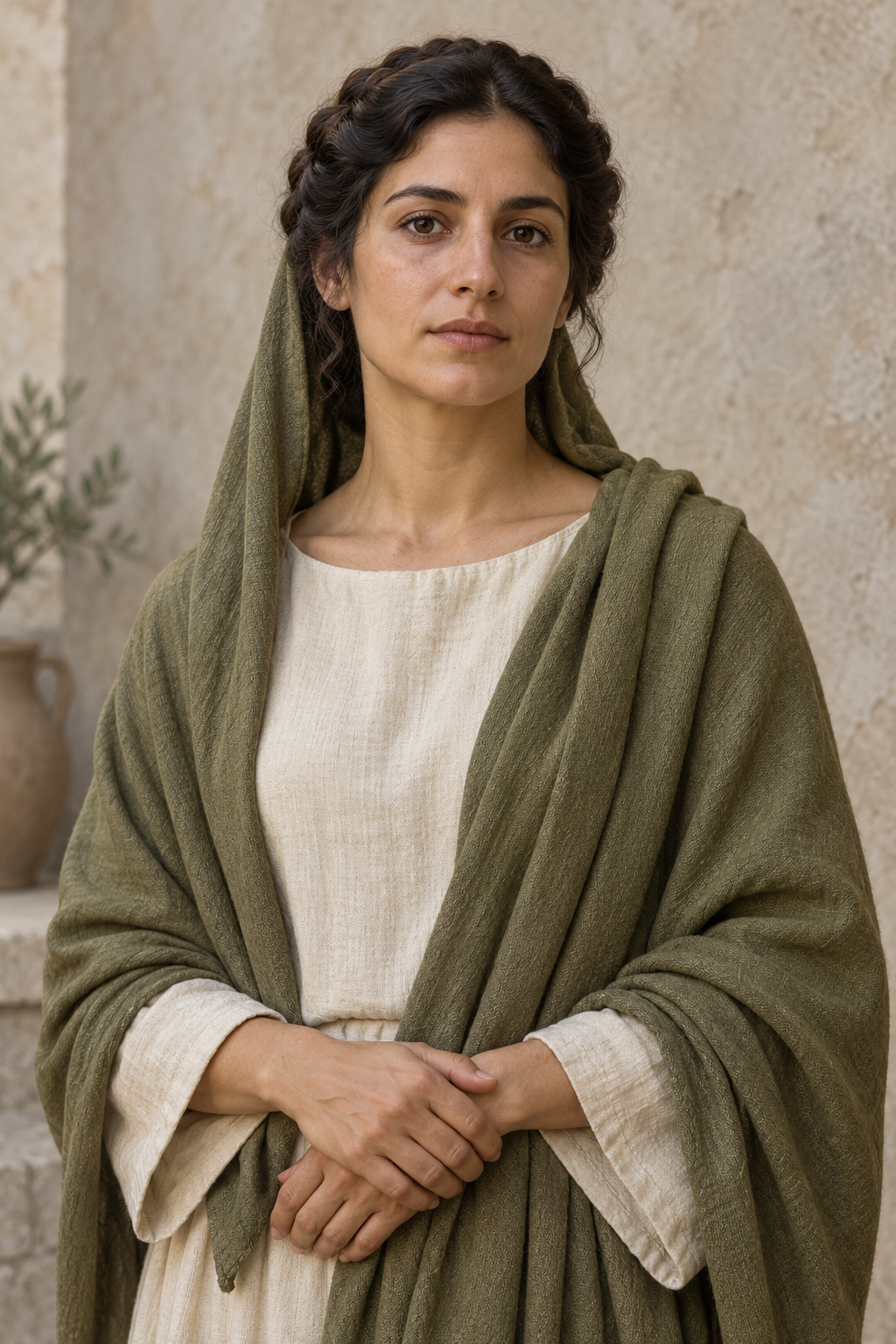
About Basilla of Rome
Basilla was venerated as a martyr in Rome by the fourth century. The Depositio martyrum, preserved in the Chronography of 354, names her in connection with the old Via Salaria. Its notice supplies a commemoration and a cemetery setting, rather than a narrative of her childhood, conversion or death.
The limited record has left questions about her identity. Johann Peter Kirsch distinguishes the Roman Basilla commemorated in September from another Roman notice in May, where the name appears as Basilla or Basilissa. He cautions that their identification as one woman cannot be positively established. His broader discussion also distinguishes women of similar names in other places, whose later martyrdom stories are legendary.
Basil Lourié’s 2023 study returns to the early notice. He argues that it securely establishes veneration on the Via Salaria by 354, but does not by itself guarantee that the martyr died in Rome or in 304. He also treats the relationship between the martyr and the woman whose name the cemetery bore as an open question. His proposed identification with a martyr at Sirmium is expressly a hypothesis that he cannot verify. These distinctions leave a historical cult visible without supplying an invented personal life.
The surviving cemetery is known today as the Catacomb of St. Hermes or Bassilla. The Pontifical Commission for Sacred Archaeology describes a funerary area on the old Salaria road, with three levels and origins in the first half of the third century. It distinguishes the burial areas of Protus and Hyacinth from the lower region associated with Hermes. Later building and painting belong to the site’s continuing history: a semi-underground basilica developed in the sixth or seventh century, and the medieval oratory contains frescoes dated to the eleventh. Those remains provide a setting for Roman Christian remembrance, but no secure portrait of Basilla’s own life.
Her name survives where the evidence is strongest: in the early Roman commemoration and the cemetery’s remembered name. Her birth, family circumstances and the exact circumstances of her death remain uncertain.
Wondering how to weigh the stories and sources? Learn how to read a saint biography.