Biography
Belina
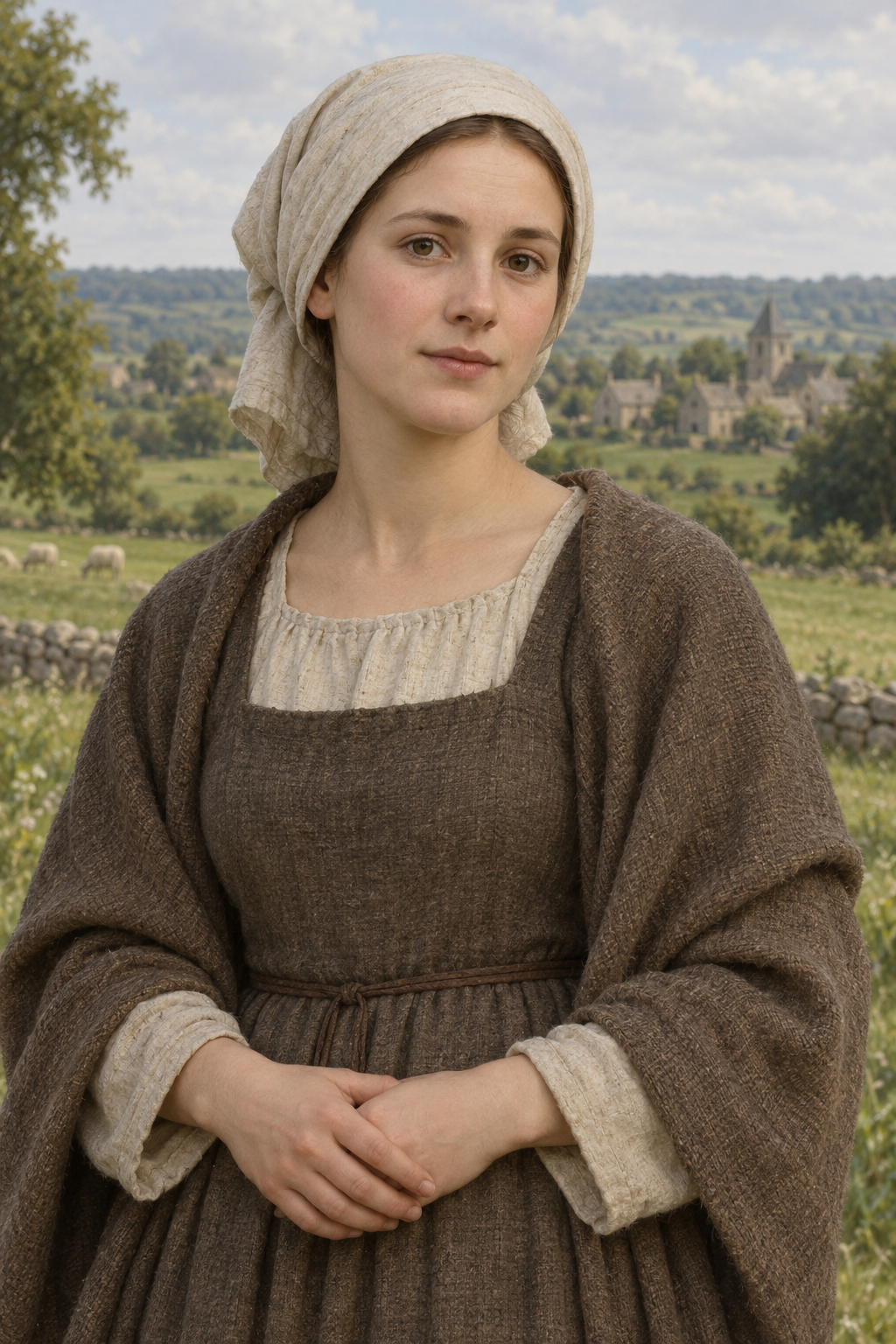
About Belina
Belina, remembered in France as Béline, is associated with the village of Landreville. Eugène-Edmond Defer’s 1865 account presents her as a young woman from a farming family, known locally for piety and care for the sick. The account preserves a tradition of violence by the local lord after she refused his demands. Defer acknowledges different versions of the circumstances, including disagreement about whether she had made a vow of chastity or intended to marry. Those details belong to the received narrative.
The same account describes the local remembrance of her as a virgin and martyr. It records a chapel, a fountain, a representation in the parish church and relics associated with her. The dates assigned to her death and recognition as a saint differ in later accounts, so they should not be treated as settled facts.
Landreville’s heritage record follows the chapel through rebuilding, periods of neglect and restoration. It associates renewed devotion in the twentieth century with Abbé Jactat’s work and records an inauguration in 2018. The history of the building belongs to the community’s continuing remembrance; it does not independently establish every episode in the saint’s story.
Guy Cure’s account of the parish church places three reliquaries on the altar dedicated to Béline. He invites readers to consider such objects as witnesses to the concerns, beliefs and artistic life of the people who installed them. That approach keeps the local devotion visible without treating the objects themselves as proof of every biographical detail.
The Diocese of Troyes’ 2025 directory records a parish pilgrimage to Sainte Béline of Landreville on the Monday of Pentecost. Older and reference calendars also preserve other commemorations. Her memory continues through the village’s worship and heritage, while the exact chronology and details of her personal life remain uncertain.
Wondering how to weigh the stories and sources? Learn how to read a saint biography.