Biography
Betharius of Chartres
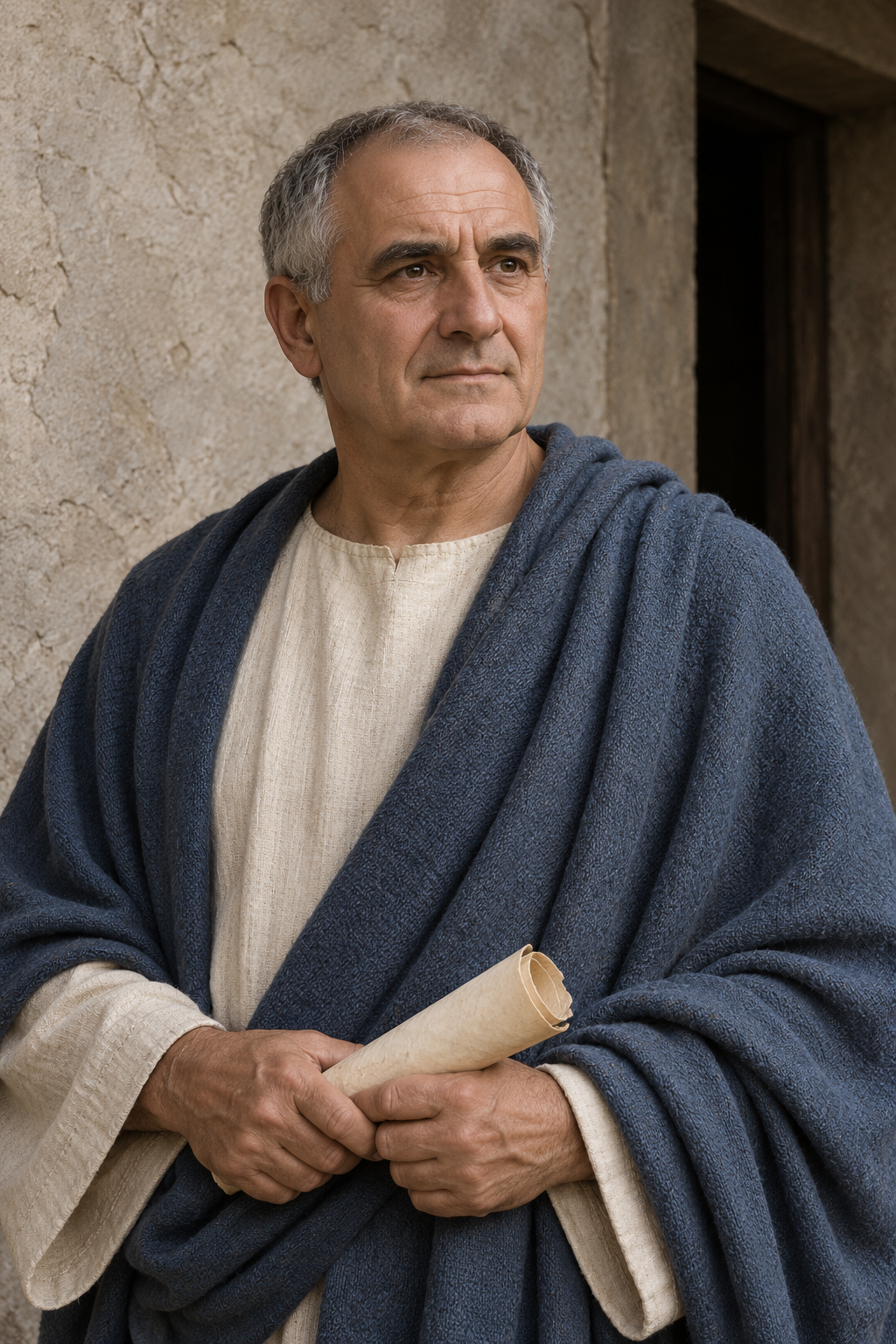
About Betharius of Chartres
Betharius, remembered in French as Bohaire or Béthaire, was bishop of Chartres around the beginning of the seventh century. His local commemoration falls on 2 August. Nominis preserves the traditional account of a hermit who became a bishop and suffered alongside his people during war, while also warning that the information about his life is uncertain. His death is traditionally placed around 623.
The anonymous Life presents him as a Roman-born youth educated at Chartres under Bishop Pappolus. It praises his learning and describes his desire for solitude. With the bishop’s permission, he builds a cell by the Cisse near Blois. The story then draws him back into public service: he becomes a deacon, serves King Chlothar and eventually succeeds Pappolus. These are the stages of the later narrative, not a sequence established by contemporary records.
Its central episode concerns an attack on Chartres. Betharius opens the gates after receiving assurances that the inhabitants will be spared, but the promise is broken. The author depicts him offering himself in place of his people and enduring captivity. His eventual release becomes a story of episcopal charity and divine protection.
The distance between the bishop and his biographer matters. Veronika Lukas, reviewing Gregory Halfond’s study of the supposed council of Sens, identifies the Life as a work of the late ninth or early tenth century. It is the sole witness for that council. Attempts to connect its account with other proposed assemblies do not remove the uncertainty about whether the meeting happened at all. Betharius’s attendance therefore cannot be treated as a securely documented event.
His memory remained attached to the place now called Saint-Bohaire. The parish history connects the church with his former hermitage and burial. It also records later ownership by the monks of Pontlevoy and a transfer to the regular canons of Bourg-Moyen in 1162.
The French heritage inventory records relics of the saint in the village church and dates its principal surviving fabric to the twelfth and thirteenth centuries. This provides a concrete setting for his continuing local veneration.
Wondering how to weigh the stories and sources? Learn how to read a saint biography.