Biography
Caesaria the Younger
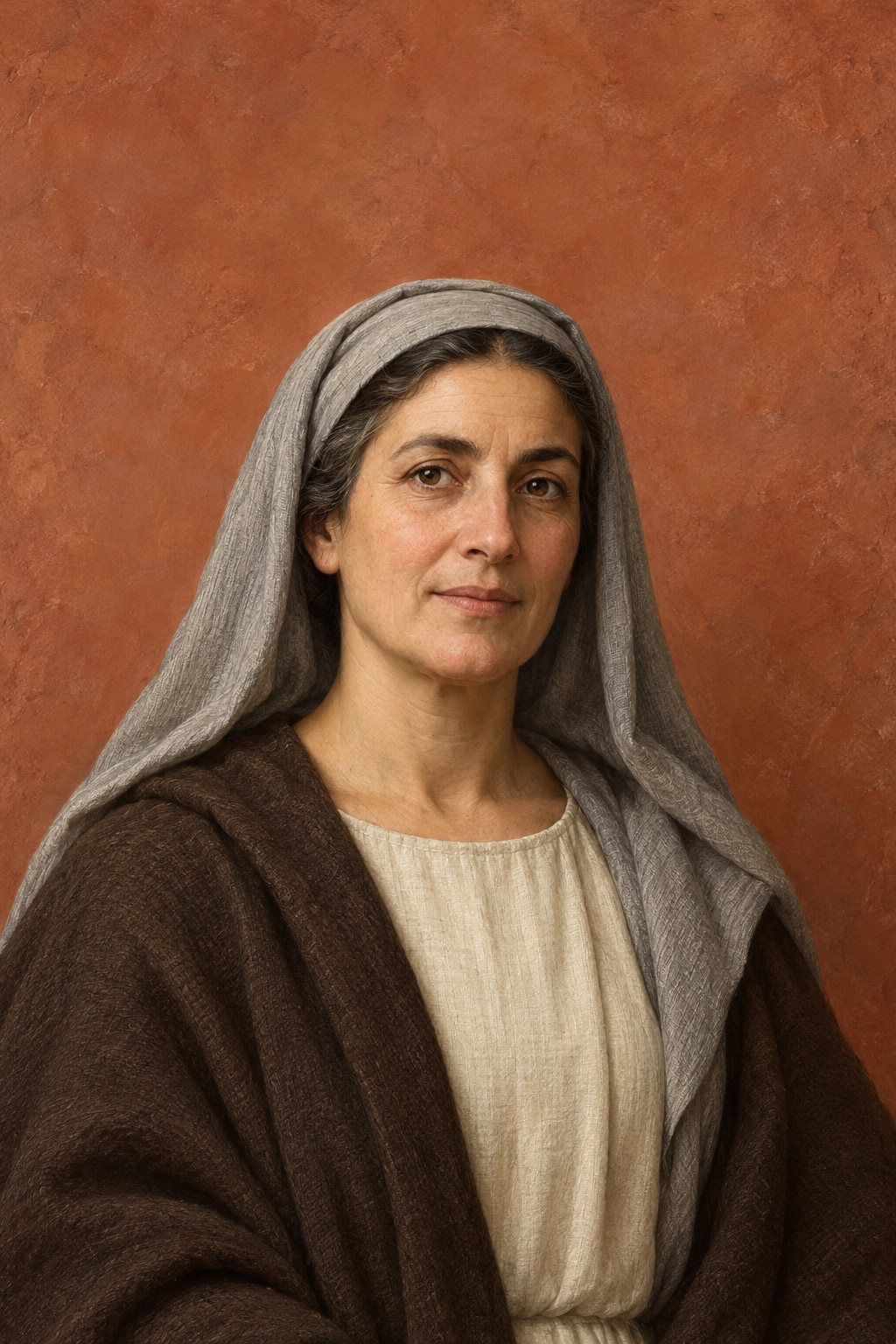
About Caesaria the Younger
Caesaria the Younger led the women’s monastery of Saint-Jean at Arles in the sixth century. She followed another abbess of the same name, Caesaria the Elder, and may have been a niece of the elder abbess and Bishop Caesarius. Educated within the community from a young age, she became its second abbess around 525. The New Catholic Encyclopedia reports that more than two hundred women were in her care by 542.
Her work helped preserve the memory of the bishop who had established the community. Historian Marie-José Delage describes how the Life of Caesarius was written by five authors soon after his death at the younger Caesaria’s request. That connection places the abbess among the people responsible for passing on the record of his life.
Caesaria also supported the copying of religious books, including sermons by Caesarius and Augustine. Her leadership joined the practical care of a large community with the preservation and circulation of Christian teaching. She was later succeeded by Liliola.
Her connection with another women’s community appears in a letter attributed to her to Richild and Radegund at Poitiers. They had requested the rule written by Caesarius, and she sent it with advice. The precise year is uncertain: Robert Flierman and Hope Williard place the exchange between the middle of the 550s and the early 560s. The identity and office of Richild remain debated, so the letter should not be made to settle a complete succession of Poitiers’s abbesses.
The letter gives a particularly direct view of the teaching associated with Caesaria. It urges the women to learn to read, remember the Psalms, and put the Gospel into practice. Religious clothing alone does not establish a religious life; conduct must continue to change. Peace within the community matters, as does generosity toward people in need. These instructions address habits that must be renewed, rather than a single dramatic act of renunciation.
Its counsel also includes restraint in fasting. Caesaria warns that excessive abstinence could cause illness and leave a leader unable to care for the other women. At the same time, the letter belongs to a demanding enclosed form of monasticism: it discourages public appearances and familiarity with men. The practical advice and the restrictions are both part of the document, not separate portraits from which one can simply choose.
Modern scholarship places this exchange within a wider system of communication between enclosed communities and the world outside them. Letters and gifts could travel, but their circulation was subject to communal oversight. The transmission of the rule therefore involved more than a written text: it depended on people carrying messages between houses.
A burial regulation has also been associated with Caesaria, although it may belong to a successor. The fragment argues that burial space prepared for the nuns should not be taken over by clerics, benefactors, or others serving the church. Its concern is that women who shared a community in life should retain a common place of burial. Because the attribution is uncertain, it cannot securely establish a particular dispute during Caesaria’s own abbacy.
Caesaria is commemorated on January 12. The distinction between the elder and younger abbesses remains essential: they belonged to the same house and shared a name, but the younger woman’s leadership and correspondence form a separate life.
Wondering how to weigh the stories and sources? Learn how to read a saint biography.