Biography
Cantius, Cantianus and Cantianilla
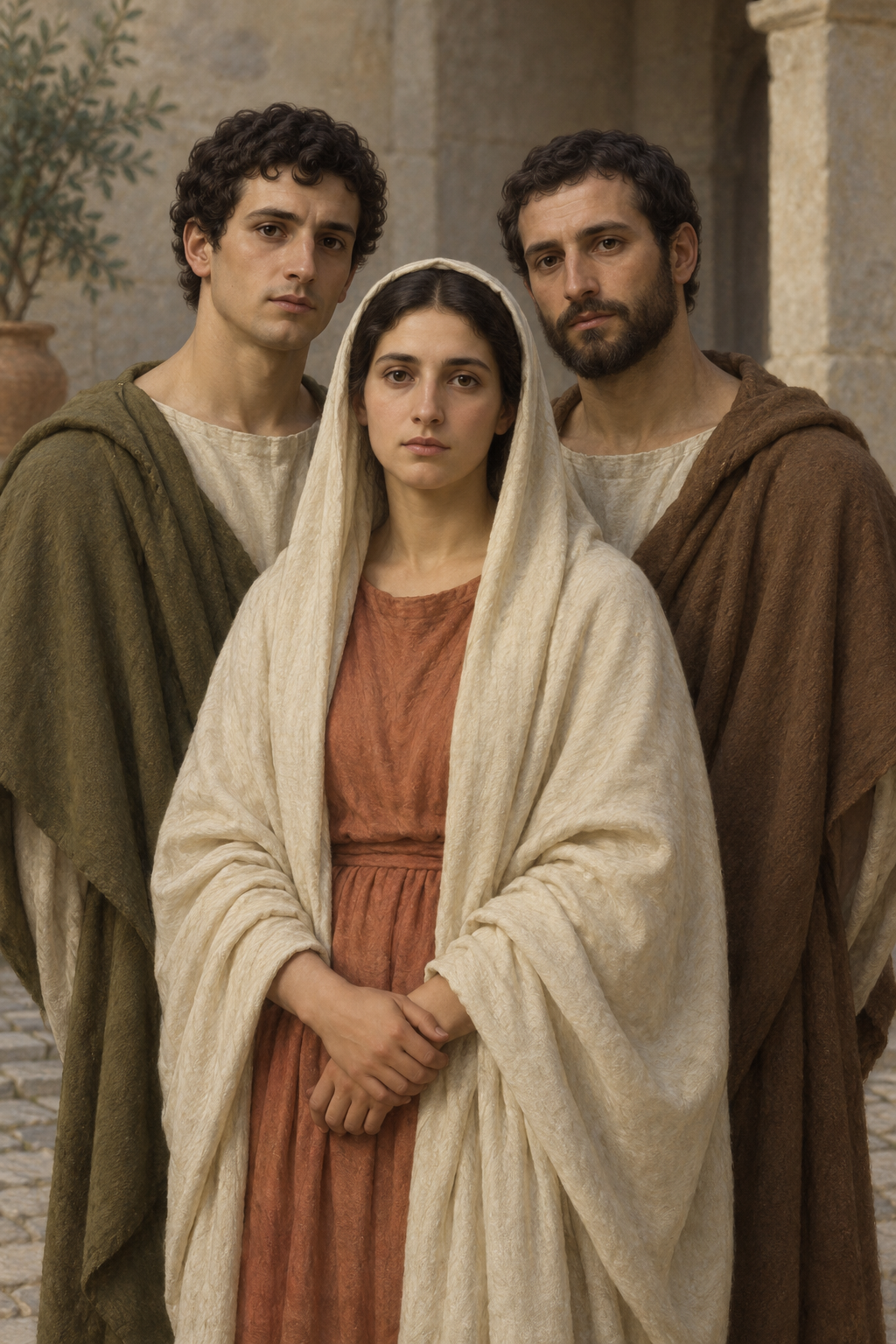
About Cantius, Cantianus and Cantianilla
Cantius, Cantianus and Cantianilla are honoured together among the martyrs of Aquileia. Their names appear on May 31 in the ancient calendar known as the Martyrologium Hieronymianum. Giuseppe Cuscito distinguishes this early remembrance from the later accounts of their deaths: the calendar, inscriptions and surviving places of worship provide firmer evidence for the cult than the elaborate narratives written afterward. Their shared memory has remained especially closely associated with San Canzian d’Isonzo.
The later story presents them as three Christian siblings from a wealthy Roman family. When persecution begins, they sell property, give to the poor and travel with their teacher Proto to Aquileia. There they learn that their friend Chrysogonus has been killed. They go to his burial place, are arrested, refuse to abandon their faith and are executed. These episodes belong to the different versions of their Passion; they are not surviving eyewitness testimony about the family.
Archaeology has given the local tradition a substantial setting. Excavations during the 1960s uncovered an early Christian basilica and a tomb beneath its floor. The diocesan inventory describes successive mosaic pavements and a commemorative structure associated with the burial. It attributes the remains in the tomb to the Canzian martyrs on the basis of archaeological and anthropological study. That attribution is an interpretation of the evidence, rather than an identification supplied by a contemporary personal document.
Cuscito likewise speaks of their probable relics and traces of prolonged veneration. His account gives the discoveries weight without turning every detail of the later Passion into established history. The distinction allows the three martyrs to be remembered as figures of an early Christian community while leaving their family background and the precise course of their final journey uncertain.
The place of worship changed over many centuries. The diocesan inventory records a monastery dedicated in their honour in a document of 819, and later rebuilding on the site. The present parish church continues their dedication, while an antiquarium preserves finds from the excavations. Their remembrance is therefore carried by both worship and the careful preservation of material remains.
Wondering how to weigh the stories and sources? Learn how to read a saint biography.