Biography
Castor of Apt
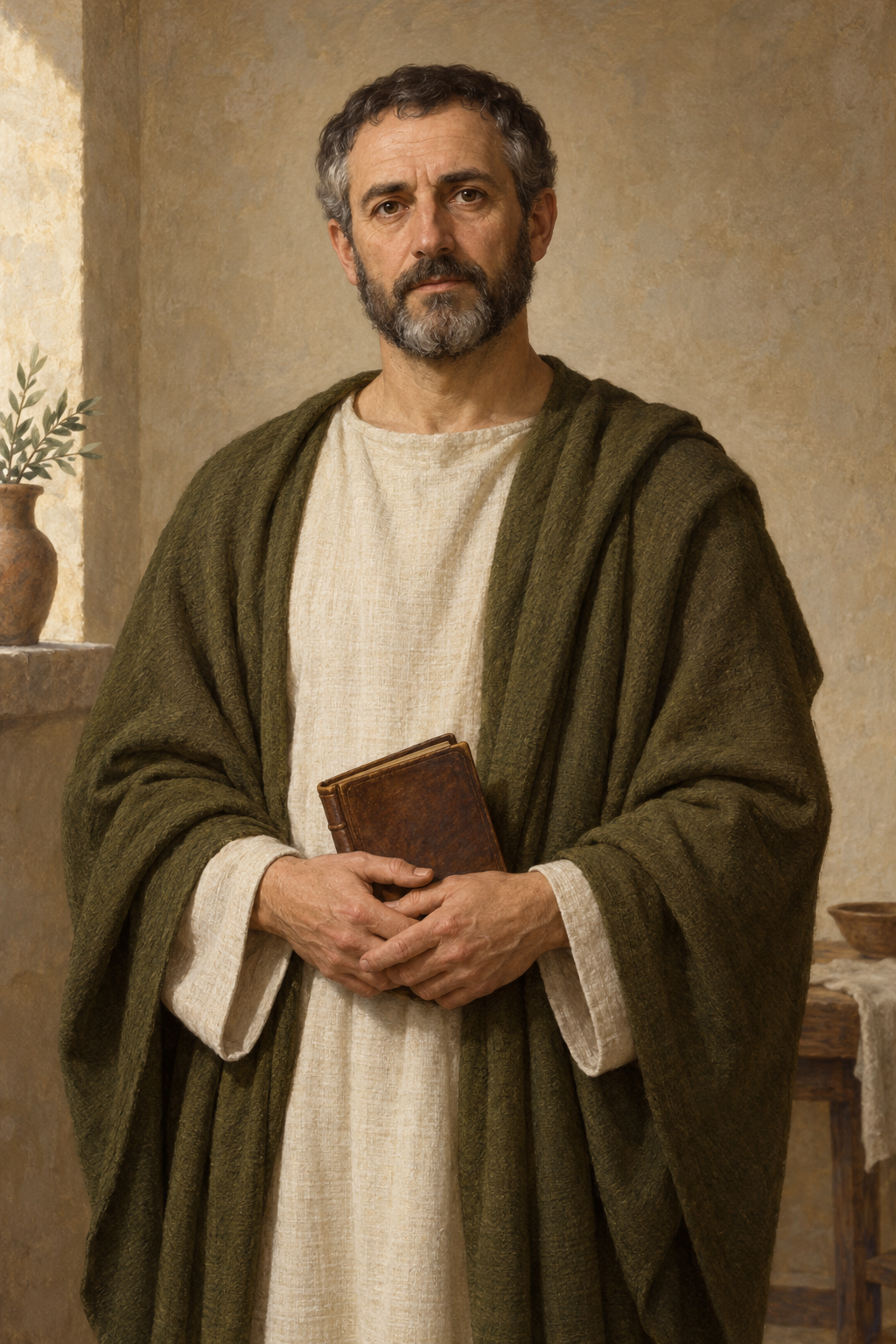
About Castor of Apt
Castor of Apt is remembered above all through his connection with John Cassian’s writings on monastic life. In the preface to the Institutes, Cassian addresses him as a bishop who wants guidance for a new religious community. Castor has asked him to describe the practices he knew in Egypt and Palestine, using language that the monks could readily understand. The request gives a direct glimpse of a church leader seeking practical help for the people in his care.
Cassian presents this undertaking as the building of a spiritual temple from human lives. He promises to explain monastic customs and the struggle against destructive habits, rather than concentrate on spectacular wonders. He also allows for differences of climate and circumstances when practices are brought westward. These are Cassian’s stated aims for the book Castor requested; they are not a surviving rule written by Castor himself.
The next stage of their collaboration was interrupted by death. In the preface to his first ten Conferences, Cassian says that Castor had also asked him to write down the teaching of the Egyptian hermits. By then the bishop had died. Cassian therefore offers that part of the work to Leontius and Helladius, remembering the obligation he had undertaken for Castor. His tribute preserves the bishop’s enthusiasm for religious learning without supplying a full biography or an exact date of death.
The later history of devotion at Apt requires a different kind of evidence. Historian Thierry Pécout places Castor among the local saints associated with the episcopal office and cathedral. He cautions that much surviving material is late, and that medieval buildings and arrangements for relics help reveal changes in local devotion. Those later witnesses show how communities remembered their saints, but cannot simply be transferred into Castor’s own lifetime.
The Archdiocese of Avignon continues to list Castor of Apt among its saints, identifying him as a bishop and remembering him on 25 September.
The surviving dedication leaves a modest but distinctive portrait: Castor encouraged another person to make religious experience available in writing. Much of his personal history remains outside that testimony, while his request remains part of the history of Cassian’s work.
Wondering how to weigh the stories and sources? Learn how to read a saint biography.