Biography
Charbel of Edessa
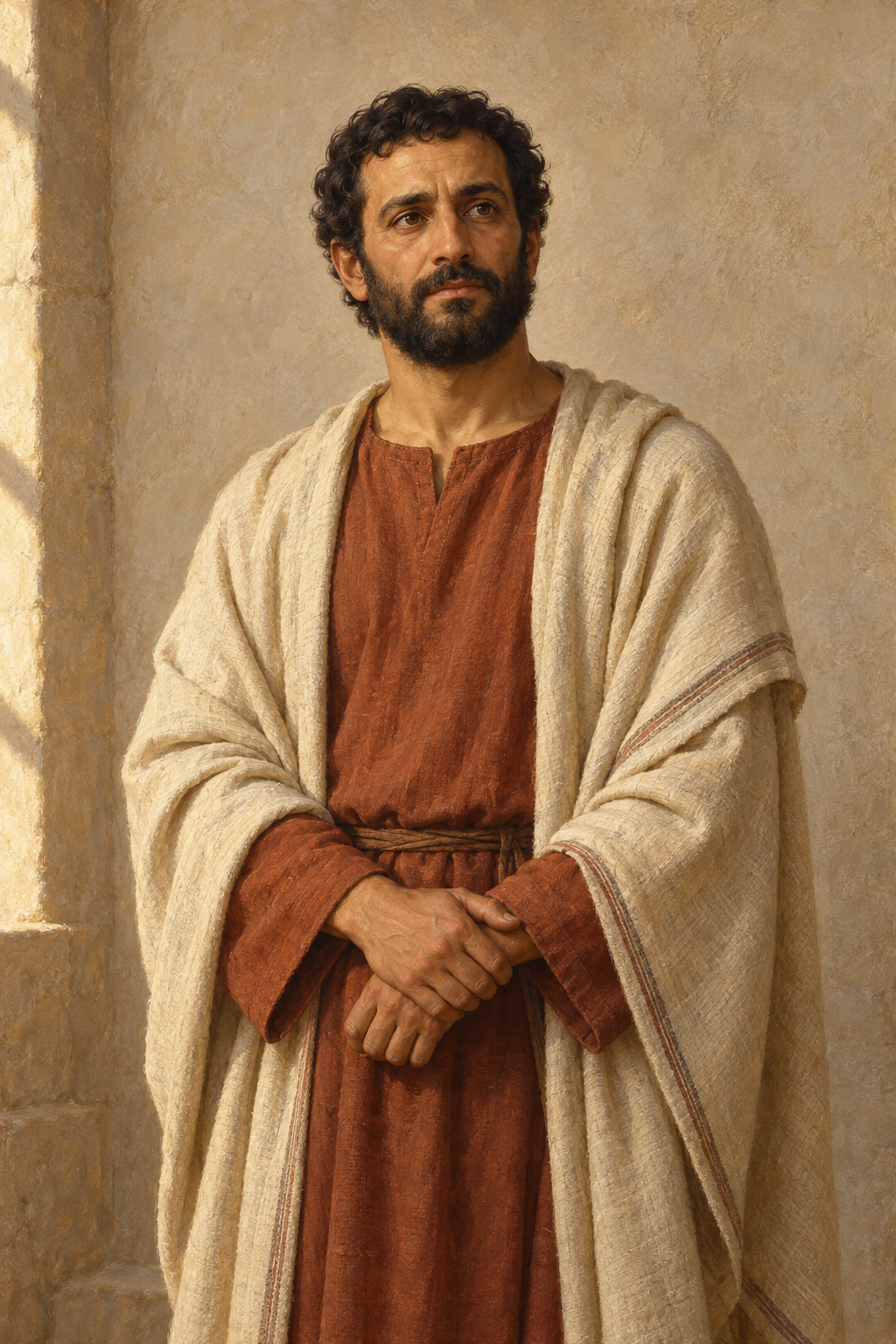
About Charbel of Edessa
Charbel of Edessa, also known as Sharbil or Sharbel, belongs to the Syriac tradition of Christian martyrs. He is remembered with his sister Babai, also called Bebaia. His story survives in a later religious narrative whose historical reliability is disputed. It should not be treated as a contemporary record of an identifiable trial.
The Acts of Sharbil describe him as a leading priest of the local gods at Edessa. During a public festival, Bishop Barsamya challenges his religious allegiance. Sharbil fears that his former life has placed forgiveness beyond his reach, but the bishop assures him of Christ’s mercy. He then comes to the Christian community with his sister and receives baptism.
The narrative goes on to portray a trial before the governor Lysanias. Sharbil refuses to resume sacrifice despite repeated threats and punishments. His sister is killed after his execution, and Christians recover their bodies. The long speeches and extraordinary tortures communicate the writer’s ideals of repentance and steadfastness; they cannot safely be converted into verified conversations or medical descriptions.
Francis Crawford Burkitt distinguished these Acts from the stronger evidence for other Edessene martyrs. He described Sharbil’s narrative as untrustworthy and compared its elaborate execution scene with the more restrained account of Shmona and Guria. This criticism concerns the historical value of the story, even while the story remains evidence for later Christian remembrance.
That remembrance has taken several liturgical forms. The Orthodox Church in America commemorates Sarbelus and Bebaia on 29 January and also lists 15 October. The Norwegian Catholic reference describes a wider variety of observances and notes that the much later Lebanese monk Sharbel Makhlouf took the martyr’s name. The two saints belong to very different periods and must remain distinct.
Wondering how to weigh the stories and sources? Learn how to read a saint biography.