Biography
Clement of Metz
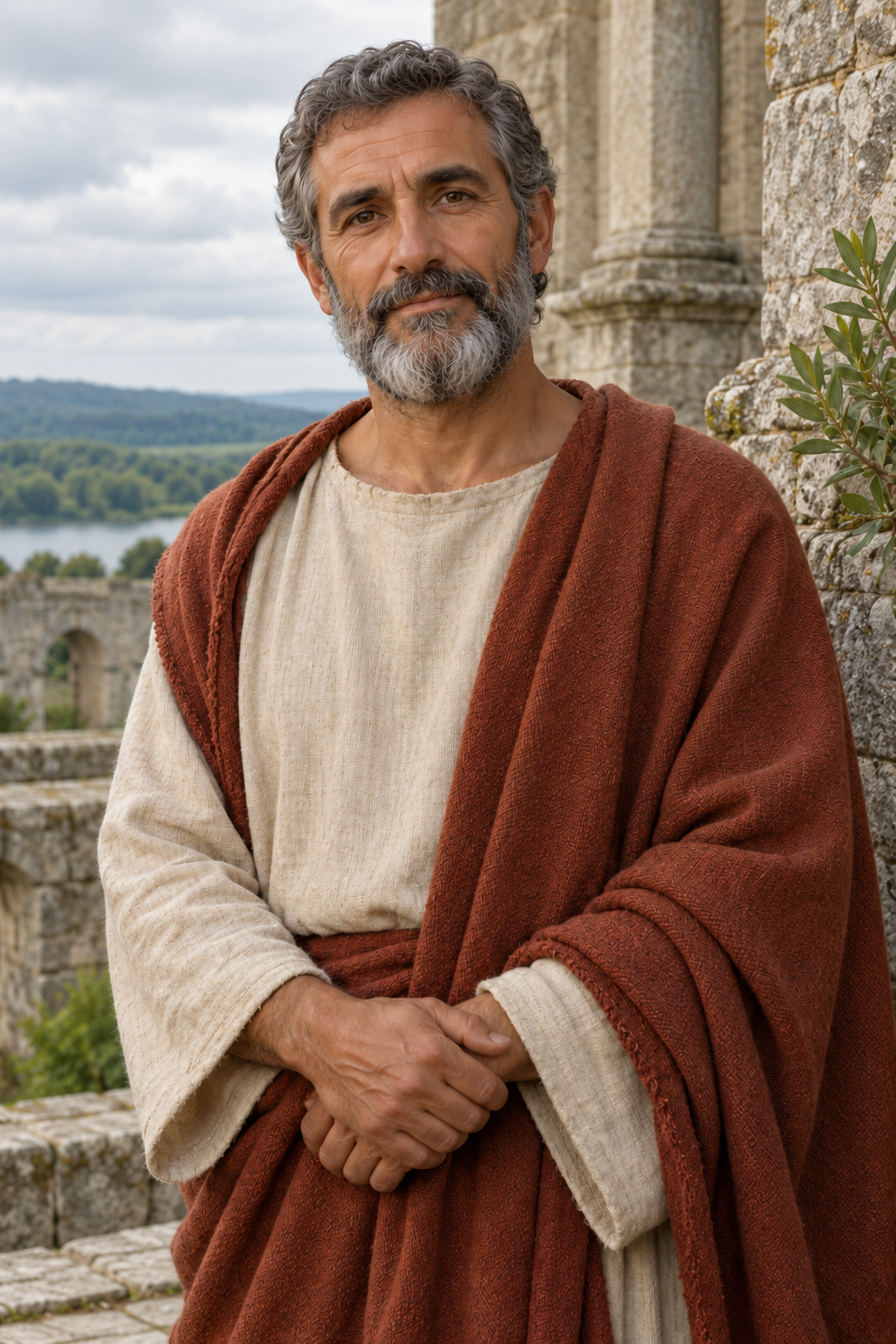
About Clement of Metz
Clement is honored as the first bishop of Metz. His life is difficult to recover from the stories told about him. Jean-Charles Picard cautions that the medieval Lives offer no credible account of his biography.
Writing centuries later, Paul the Deacon places Clement among the missionaries sent by Peter. In his account, Clement lives in the amphitheater outside Metz, establishes an oratory dedicated to Peter and preaches to the inhabitants. Paul also reports a local belief that snakes could no longer remain there.
A later legend tells how Clement freed Metz from the Graoully, a monster living in its amphitheater. A city museum account dates this story to the late tenth century and connects the victory with the Christianization of Metz.
The Graoully became a lasting symbol of the city. Its story appeared in literature, music and painting, and a 2009 exhibition at the Cour d’Or museum brought together sculptures, drawings, prints and other objects illustrating that long afterlife.
The monastery bearing Clement’s name became an enduring center of his remembrance. During the siege of Metz in 1552, its buildings outside the city were destroyed, and the community moved within the walls. The surviving monastic buildings later became the regional government’s headquarters, while the church continued as Saint-Clément parish church.
The present church dedicated to Clement was built in stages beginning in 1683 and completed in 1737. Its name preserves the memory of Metz’s first bishop long after the development of his medieval legend. His feast is observed on November 23.
Wondering how to weigh the stories and sources? Learn how to read a saint biography.