Biography
Constance of Memphis
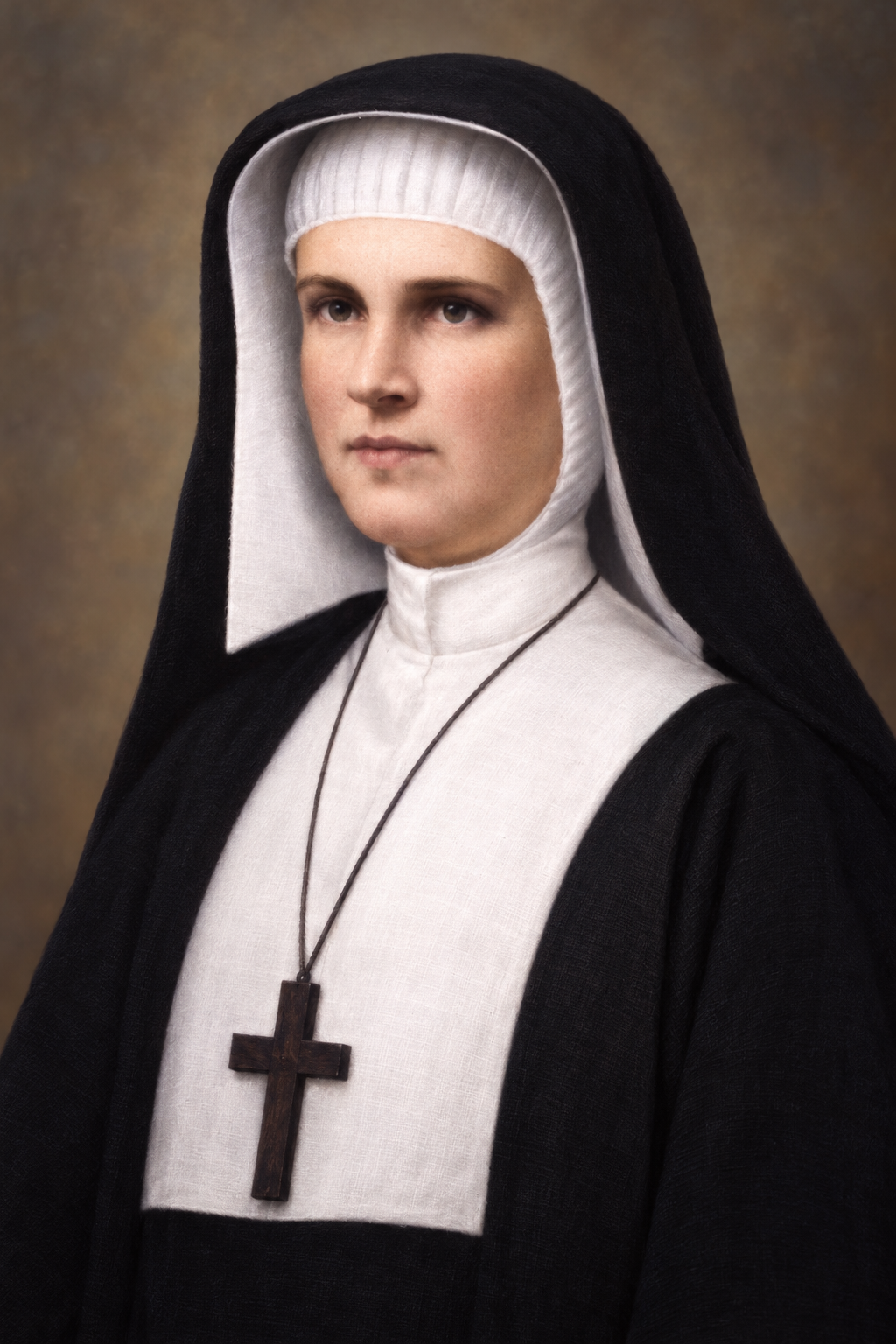
About Constance of Memphis
Constance of Memphis was an Episcopal sister and teacher remembered on September 9 with companions who died serving people during a yellow fever epidemic. Their title, the Martyrs of Memphis, recalls this service rather than death by execution.
The cathedral identifies her birth name as Caroline Louise Darling and her birthplace as Medway, Massachusetts. She became superior of the sisters’ work in Memphis and headmistress of St. Mary’s School for Girls.
Her ordinary responsibilities included accounts, supervision of associates, management of the academic department, and teaching Latin, French, and history.
In 1873 she arrived in Memphis with members of the Community of St. Mary to establish a school and help care for children at the Church Home. An epidemic interrupted those plans. The sisters nursed sick people and supplied food before returning to their teaching work.
A letter from Sister Hughetta to her sister Mary, written in October 1873, gives a closer view of the community’s first epidemic work. In the excerpts transcribed by the University of Memphis archive, Hughetta described going from house to house and bringing refreshments permitted by the doctor. Some patients had paid nurses at night, but many depended on relatives and the sisters. Hughetta reported that new patients were still being added even as some people thought the epidemic was easing. She also described daily Communion as a source of strength. This was the shared setting of Constance’s leadership: care carried into homes, cooperation with families, changing demands and a religious life maintained amid urgent work.
A contemporary newspaper report shows the school’s life between the epidemics. The Memphis Daily Appeal described its June 1876 commencement, beginning with worship in the cathedral and continuing in the adjoining school building. The program included music, a pupil’s valedictory and the distribution of prizes. Students in the higher department prepared weekly papers on historical, biographical and other subjects. Awards also recognized progress in French, drawing and music. The report listed three graduates, marking the school’s second graduating class. The visiting bishop promised a prize for an essay on botany.
The same account reveals the expectations placed on pupils. Class prizes depended on attendance, conduct and recitations, while fellow students voted on awards for kindness and gentleness. The reporter noted that illness or other unavoidable absences had cost some otherwise leading pupils their positions. These rules belonged to the institution’s educational practice; the report does not identify Constance as their author. It nevertheless gives a concrete view of the academic and social setting in which she worked before the final epidemic.
In 1878 Constance and Thecla were away for rest when another epidemic began. They returned to Memphis. Contemporary historian J. M. Keating described the sisters’ decision to leave their retreat and resume work in the stricken city. He placed their service alongside that of Roman Catholic sisters, clergy, and other relief workers, making clear that the response depended on people from several religious communities.
Constance’s surviving notes show a demanding mixture of bedside care and practical organization. She searched for nurses, arranged food, handled donations, and sought help with burials. Her letters also reveal anxiety about asking additional sisters to come. She recognized their danger and felt divided between protecting them and obtaining help for people already suffering. Her determination did not remove the difficulty of that choice.
The relief effort also reached children left without parents. The sisters’ house became a center for supplies and care, while the Church Home continued its work. The cathedral remembers their response as feeding hungry people and tending the sick through a crisis that threatened their own lives.
Constance herself fell ill in early September. A letter written by Sister Ruth on September 10 states that she had died the previous morning at about ten. She had received Communion before her death and was buried at Elmwood. Her nursing and leadership ended in Memphis on September 9, 1878.
People who had supported her work mourned more than the loss of a courageous nurse. In an October 4 memorial reproduced by Keating, the women of Hartford’s Bureau of Relief recalled her earlier service among poor people, orphaned children, and school pupils. They sent sympathy to her community and church leaders. Their tribute connects the final emergency with the sustained work that had preceded it.
At St. Mary’s Cathedral, the high altar became a memorial to the sisters who died. Constance’s name belongs to a shared remembrance that includes Thecla, Ruth, Frances, and the priests Charles Carroll Parsons and Louis Schuyler.
Her example also remained part of Sewanee’s memory. In a message to students during the COVID pandemic, Vice-Chancellor John McCardell pointed to the chapel window honoring Constance and her companions. He asked students to consider what they themselves could contribute to communities in need. This later reflection shows how her story continued to prompt questions about responsibility and practical service.
Wondering how to weigh the stories and sources? Learn how to read a saint biography.