Biography
Cosmas I of Constantinople
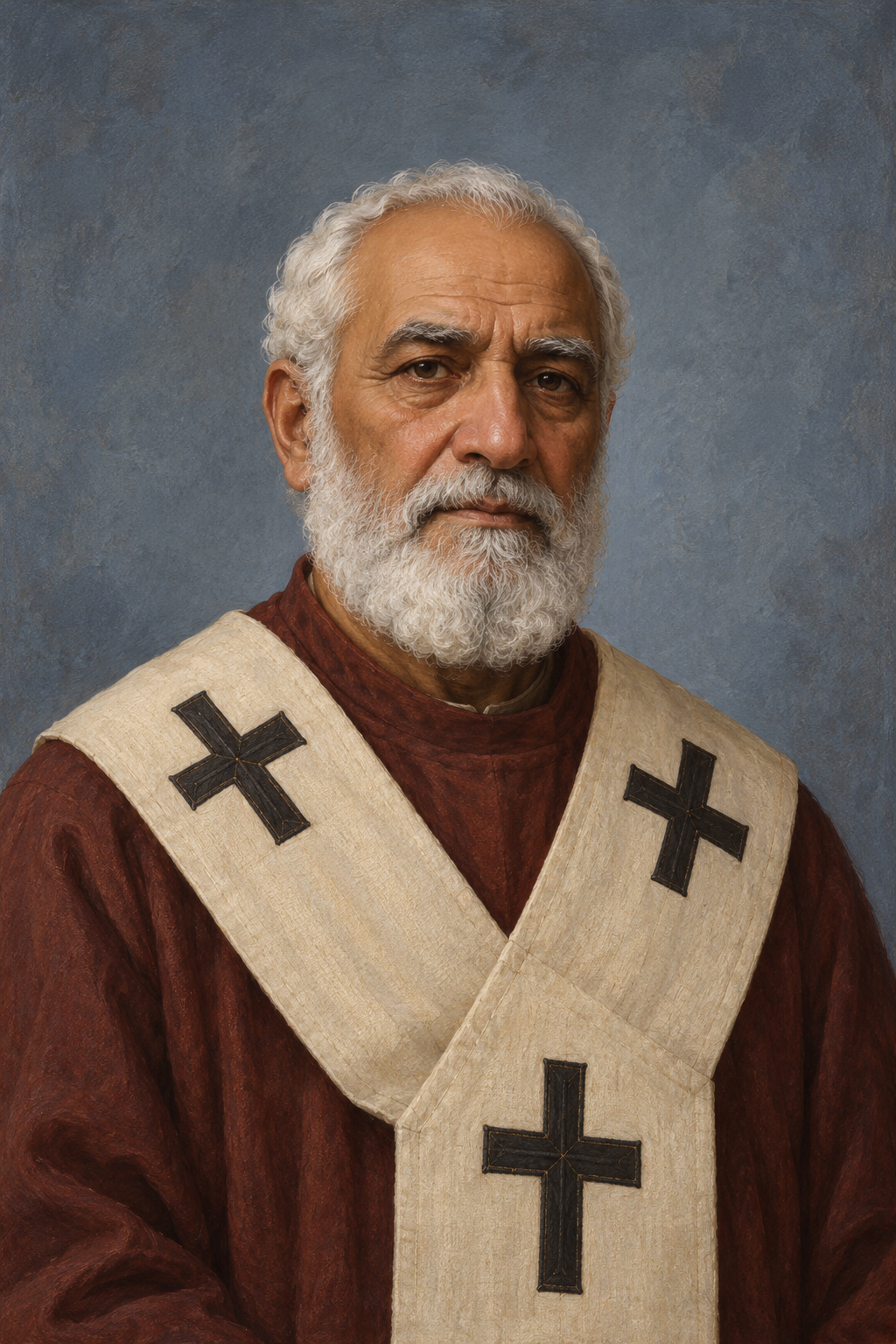
About Cosmas I of Constantinople
Cosmas I served as patriarch of Constantinople from 1075 to 1081. The Ecumenical Patriarchate remembers him as Kosmas of Jerusalem and lists his feast on January 2. He came from Antioch and spent a substantial part of his life in Jerusalem, where he became a monk. His association with the city explains the name Jerusalemite. When Emperor Michael VII supported his election, Cosmas stood outside the established circles of Constantinopolitan aristocrats and cathedral clergy.
His years as patriarch brought repeated changes of emperor. He supported Nikephoros Botaneiates against Michael VII and joined the pressure for Michael’s abdication. Yet he rejected Nikephoros’s marriage to Maria, Michael’s former wife, and removed the priest who had performed it. Cosmas’s participation in imperial politics did not mean that he accepted every decision of the ruler he helped to enthrone.
Anna Komnene’s account gives a vivid picture of his final months in office. After Cosmas crowned Alexios, the emperor’s wife Irene remained uncrowned. Anna Dalassene, Alexios’s mother, wanted another monk, Eustratios Garidas, to replace the patriarch. Cosmas refused to leave until he had crowned Irene himself. He did so before surrendering his office. The account comes from Irene and Alexios’s daughter, whose family connections are part of the story she tells.
Anna also describes Cosmas and other church leaders receiving Alexios’s confession after the plundering that accompanied his seizure of Constantinople. They imposed penance on the emperor and others involved. In her narrative, accession to power does not erase responsibility for the suffering inflicted on the city.
His patriarchate involved more than court disputes. A council under Cosmas condemned views associated with the philosopher John Italos; the later, final proceedings took place after Cosmas had left office. A surviving directive to Paul of Gallipoli concerns the preparation of the Eucharistic offerings.
Cosmas eventually retired to the monastery of Callias. Anna records his departure after a service commemorating John the Theologian and names Garidas as his successor. Later devotional remembrance honors Cosmas as a wonderworker. Reports of miracles belong to that tradition of veneration; they do not establish a precise date for his death. His life is remembered through the combined record of monastic commitment, public responsibility, and difficult choices at the imperial court.
Wondering how to weigh the stories and sources? Learn how to read a saint biography.