Biography
Crispin I of Pavia
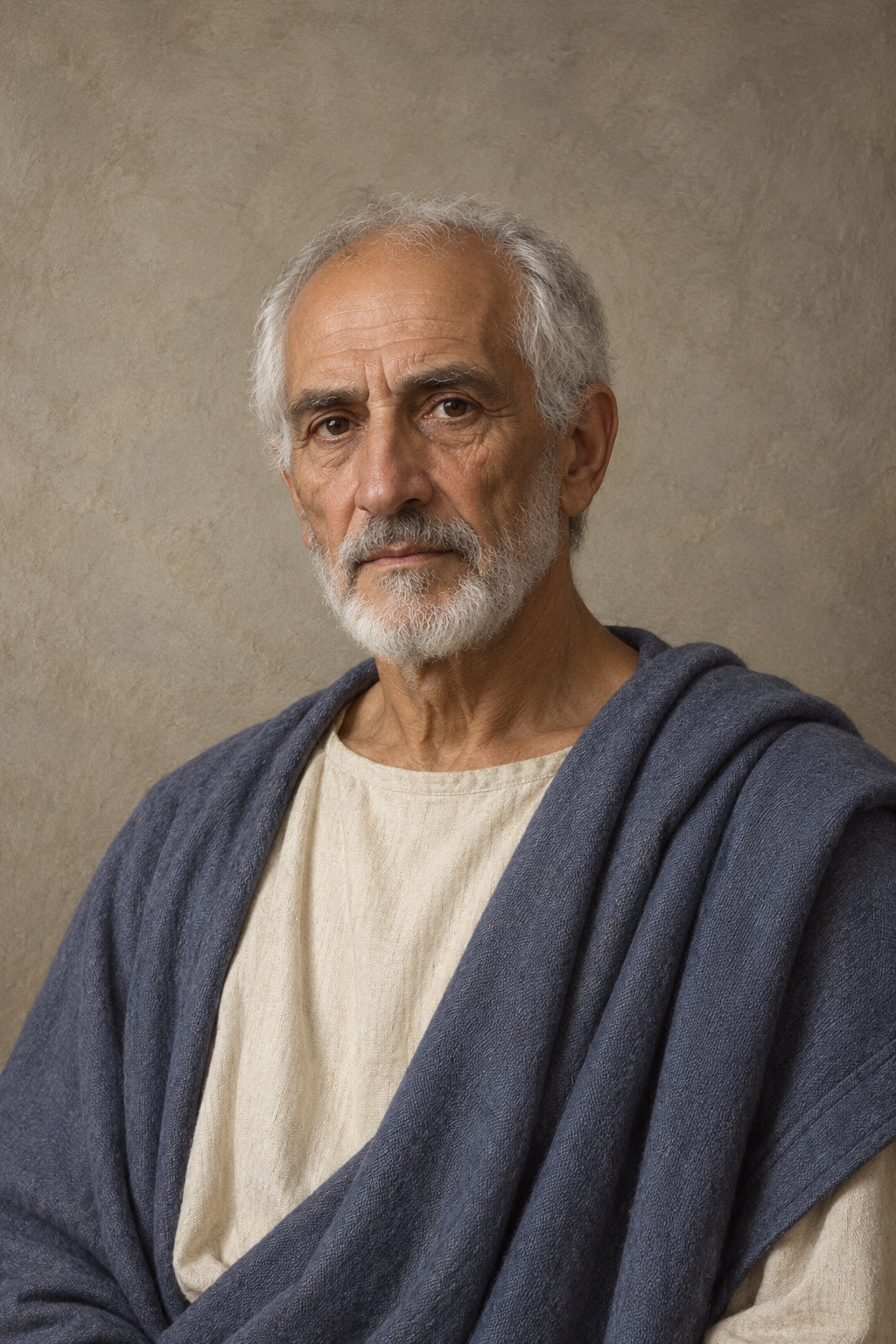
About Crispin I of Pavia
Crispin was a fifth-century bishop of Pavia, remembered especially through his relationship with the younger Epiphanius, who succeeded him. He was already bishop by about 446. He admitted Epiphanius among the church’s readers, later ordained him to the subdiaconate and diaconate, and chose him as his successor.
Much of this relationship is known through Ennodius’s life of Epiphanius. Ennodius belonged to the church of Pavia and knew Epiphanius personally. The historian Marta Szada places the composition of the life between about 501 and 504. It was therefore written within the community that preserved the two bishops’ memory, although its principal subject was Epiphanius rather than Crispin.
Ennodius portrays Crispin as demanding and conscientious. He could maintain a stern outward manner toward his pupil while taking pleasure in the younger man’s progress. As Crispin grew old and physically weak, Epiphanius helped him move about and carry out his responsibilities. The relationship is presented as both disciplined instruction and practical care, with the younger cleric supporting the bishop who had formed him.
The Acta Sanctorum account also places Crispin at the council of Milan held under Bishop Eusebius in 451. Its discussion locates him firmly among the fifth-century bishops, even though older arrangements of Pavia’s episcopal list numbered him differently.
Toward the end of his life, Crispin traveled to Milan and commended his church and Epiphanius to others there. He then returned to Pavia and died after an illness. Ennodius’s account treats his concern for a successor as part of his final care for the community.
The exact chronology requires caution. Szada’s discussion allows 466 or 467 for Epiphanius’s succession, calculating from the eight years he had already served as a deacon. The surviving evidence supports the general period more confidently than a single undisputed year.
Borrelli places Crispin’s burial in Santa Maria Maggiore, a church associated with his building activity. He distinguishes this bishop from Crispin II, who held the same see in the following century. Their shared name and office have repeatedly complicated their commemoration.
The January 7 calendar entry names a bishop Crispin of Pavia without supplying a detailed biography. The Norwegian Catholic account discusses the resulting confusion and rejects attempts to move the fifth-century bishop into a much earlier period. His identity is clearest when tied to Epiphanius, rather than to a number in an old episcopal list.
A church at Porana is dedicated to Saint Crispin, bishop of Pavia. The municipality’s description identifies the bishop as its titular saint and notes his image on the carved wooden pulpit. Porana also celebrates a patronal festival in honor of Saint Crispin the bishop. The local report does not distinguish the first bishop of that name from the second. That living devotion is well documented, while its precise identification with this fifth-century Crispin needs more specific evidence.
Wondering how to weigh the stories and sources? Learn how to read a saint biography.