Biography
Cuthbert of Canterbury
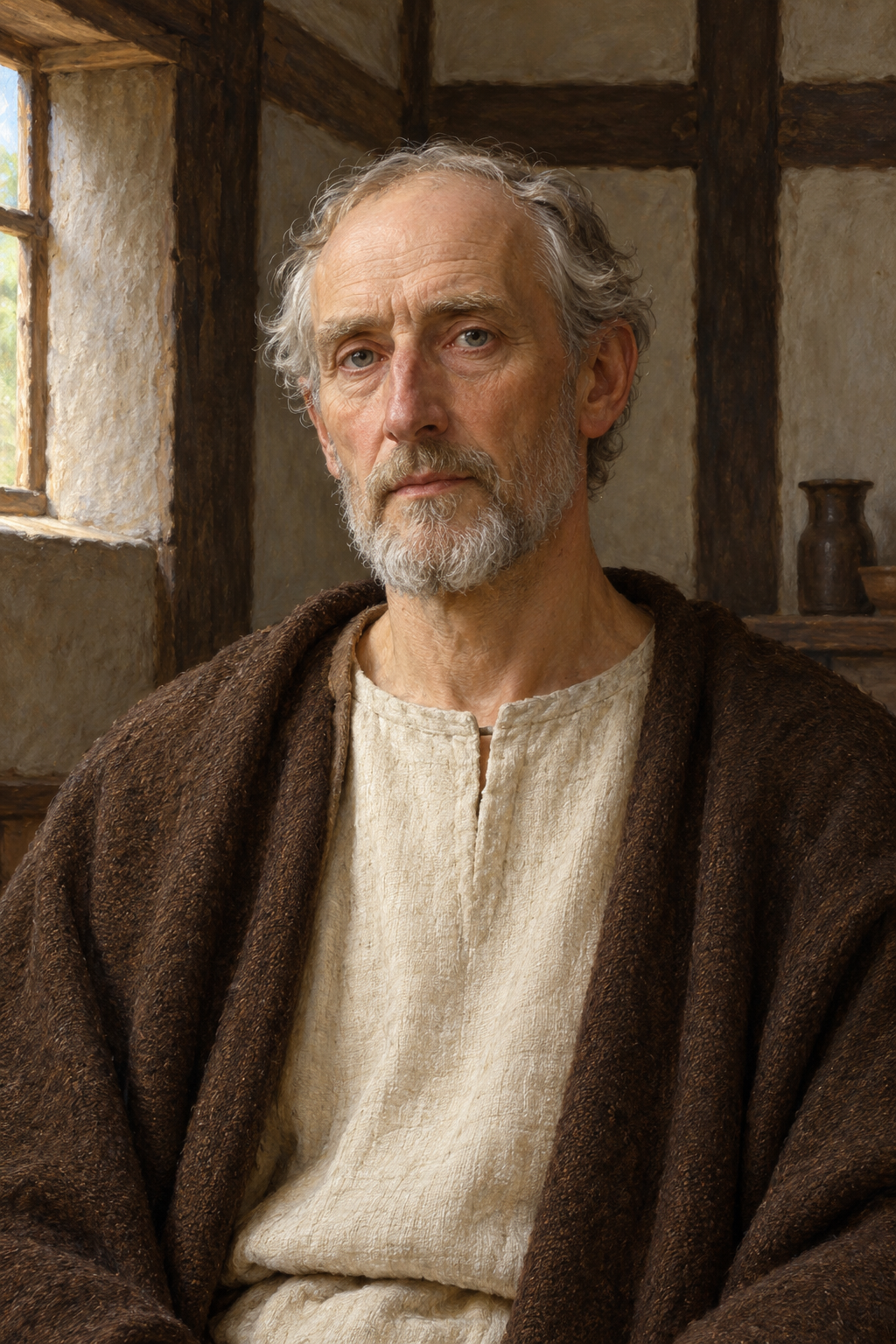
About Cuthbert of Canterbury
Cuthbert became archbishop of Canterbury around 740. Accounts of his earlier career identify him with an abbot of Lyminge and a bishop of Hereford, but that identification is uncertain. The Catholic Church in Norway’s account notes that it depends on writers after the Norman Conquest, while the Anglo-Saxon Chronicle describes a consecration to Canterbury. His earlier offices are therefore not treated here as securely established.
He took part in the council at Clovesho in 742, where King Æthelbald confirmed privileges for churches and monasteries. A second council followed in 747. Its work addressed the responsibilities of bishops and priests and the ordering of monastic life. One practical concern was that Christian instruction should reach people in their own language: the council insisted on teaching in English.
Cuthbert’s friendship with Boniface survives in a more personal form. In a letter addressed to him, Boniface thanks him for gifts and a message carried by the deacon Cynebert. He hopes their exchange of counsel will continue and asks Cuthbert to share useful decisions from his synods. In return, he describes the reforms adopted by the bishops working with him. The letter shows an active exchange between church leaders across the Channel, rather than merely a later claim that they knew one another.
Boniface also speaks candidly about the problems he wants Cuthbert to address. He objects to excessive drinking, ostentatious clothing and the forced labor of monks on royal works. These are the concerns and criticisms of a correspondent; the letter does not prove that Cuthbert personally committed the abuses it describes. Its appeal is for bishops to take responsibility for teaching, correction and the protection of their communities.
The New Catholic Encyclopedia describes thirty canons from the council of 747, including provisions for feast observances and Rogation days. It also records that, after hearing of Boniface’s martyrdom in 754, Cuthbert ordered the celebration of his feast on June 5. The correspondence and this commemoration connect his work in Canterbury with the mission on the continent.
His burial changed a Canterbury custom. Earlier archbishops had been buried at the church of Peter and Paul, later associated with Saint Augustine’s Abbey. Cuthbert was buried instead at Christ Church, in a chapel dedicated to John the Baptist. The traditional account says the burial took place before his death was publicly announced, to forestall opposition from the other community. A letter to Lullus and two short poems also preserve traces of his literary activity.
Canterbury Cathedral’s October 2024 commemorative list identifies Cuthbert as its eleventh archbishop and gives 760 as his death year, remembering him on October 26. That date agrees with the Catholic Church in Norway’s account, which gives October 26, 760, and remembers him as a saint. His record belongs to Canterbury and should not be confused with the more widely known Cuthbert of Lindisfarne.
Wondering how to weigh the stories and sources? Learn how to read a saint biography.