Biography
Dalmatus of Constantinople
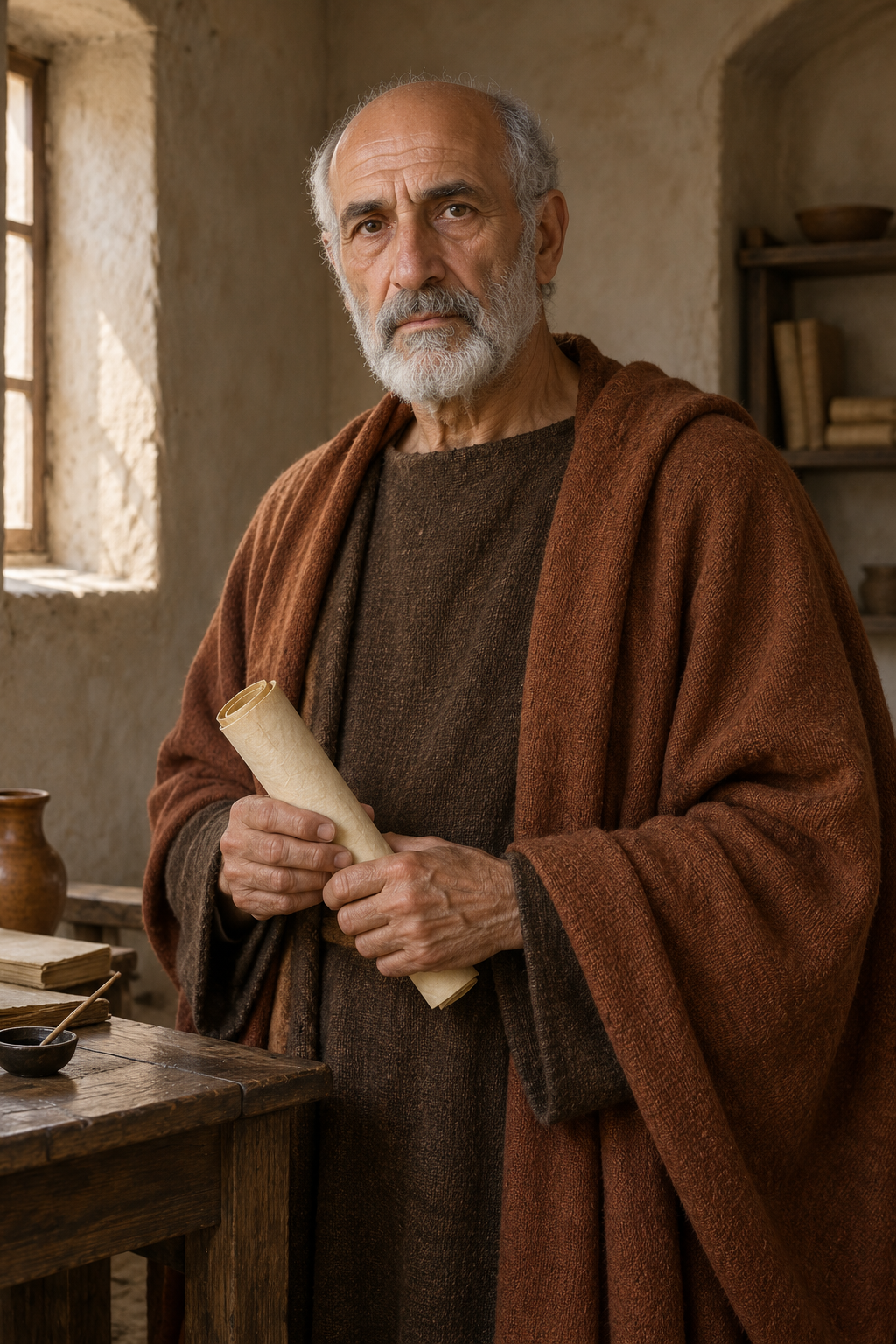
About Dalmatus of Constantinople
Dalmatus of Constantinople was a former soldier who became the head of a monastery and an influential supporter of Cyril of Alexandria during the controversy surrounding the Council of Ephesus in 431. His reputation drew the attention of emperors and bishops, although he usually remained within his monastery. His public intervention during the council brought that monastic authority into the streets and the imperial palace.
The church’s account places his military service under Theodosius the Great. Between 381 and 383, he left that career and entered the community of Isaac near Constantinople with Faustus, remembered as his son. There he adopted a demanding ascetic life. The story of a forty-day fast followed by a divine vision belongs to the saint’s devotional biography, rather than an independently verified account of a supernatural event.
The later Life also remembers the family he left behind. It says that Dalmatus transferred his property to his wife and sent her and their daughter back to their homeland before returning to the monastery. His birthplace is described only broadly as being in the East. Such episodes come through later hagiography; they do not provide a secure year or precise place of birth. Nominis remembers his wife accepting his change of life before he entered the monastery with Faustus.
After Isaac’s death, Dalmatus became abbot, and the monastery became known by his name. His reputation rested on years of seclusion, prayer and study. The Catholic Church in Norway’s account recalls that his intervention in 431 came after forty-eight years within the monastery. That long withdrawal made his appearance in public especially striking to those who knew his way of life.
Messages from the bishops at Ephesus reached Constantinople during the dispute over Nestorius. Dalmatus led a procession of monks to the palace, with crowds following them. After meeting the emperor, the abbots went to the church of Saint Mocius, where the bishops’ letter was read. Dalmatus then addressed the gathering and reported on the meeting. The surviving tradition presents him as a forceful advocate for Cyril’s side. The abbots entered the palace, while the remaining monks waited outside and continued their communal chanting.
Wace’s account describes the difficulty of getting the bishops’ message through: a messenger disguised as a beggar carried letters inside a hollow cane. The procession that followed included alternating groups of chanting monks and people carrying candles. Afterward, the emperor called for representatives of both parties to come from Ephesus to Constantinople.
Nestorius describes the same intervention very differently in his own defense. He portrays the procession as organized pressure intended to make the emperor accept his condemnation without further examination. Even this hostile account acknowledges Dalmatus’s importance: it depicts the emperor astonished that a man so rarely seen outside his cell had appeared before him. The agreement about his public influence is clearer than any agreement about the justice of his cause.
In the conversation reported by Nestorius, Dalmatus insists that the council has already judged and must answer to God for its decision. The emperor replies at length that the proceedings were disputed and incomplete. These speeches are part of Nestorius’s argument on his own behalf, not a neutral transcript. They reveal the controversy surrounding the abbot’s intervention and caution against presenting the outcome as a simple, uncontested triumph.
Nestorius also puts a revealing accusation into the emperor’s speech. The emperor says that Dalmatus had earlier declined his request to take on church leadership because he was a recluse. This is Nestorius’s version of their conversation; it does not independently establish that an episcopal appointment was actually offered.
Dalmatus’s role is also preserved in correspondence associated with Cyril and the council. Yet not every later claim about his office is equally reliable. The Orthodox Encyclopedia notes that a letter formally granting him authority over Constantinople’s monasteries in the council’s name is a later interpolation. His prominence is well attested, but this document cannot securely establish the origin of his title.
He probably died around 440, before Hypatius of Rufinianae. This chronology differs from the Orthodox Church in America’s account, which places his death after 446. The scholarly chronology draws on the Life of Hypatius, written closer to the events than the later lives of Dalmatus. A precise birth year cannot safely be calculated from the traditional claim that he lived to ninety.
The Norwegian Catholic account records an honored burial in Constantinople with Faustus commemorated alongside him. It cautions that their father-son relationship may be a later tradition.
Faustus succeeded him as abbot. The Orthodox Church in America commemorates Dalmatus on August 3, remembering him as an ascetic and defender of the faith at the time of Ephesus. His story preserves both the inward discipline of a monastic community and the public influence its leader could exercise during a major church dispute.
Wondering how to weigh the stories and sources? Learn how to read a saint biography.