Biography
Daudi Okelo
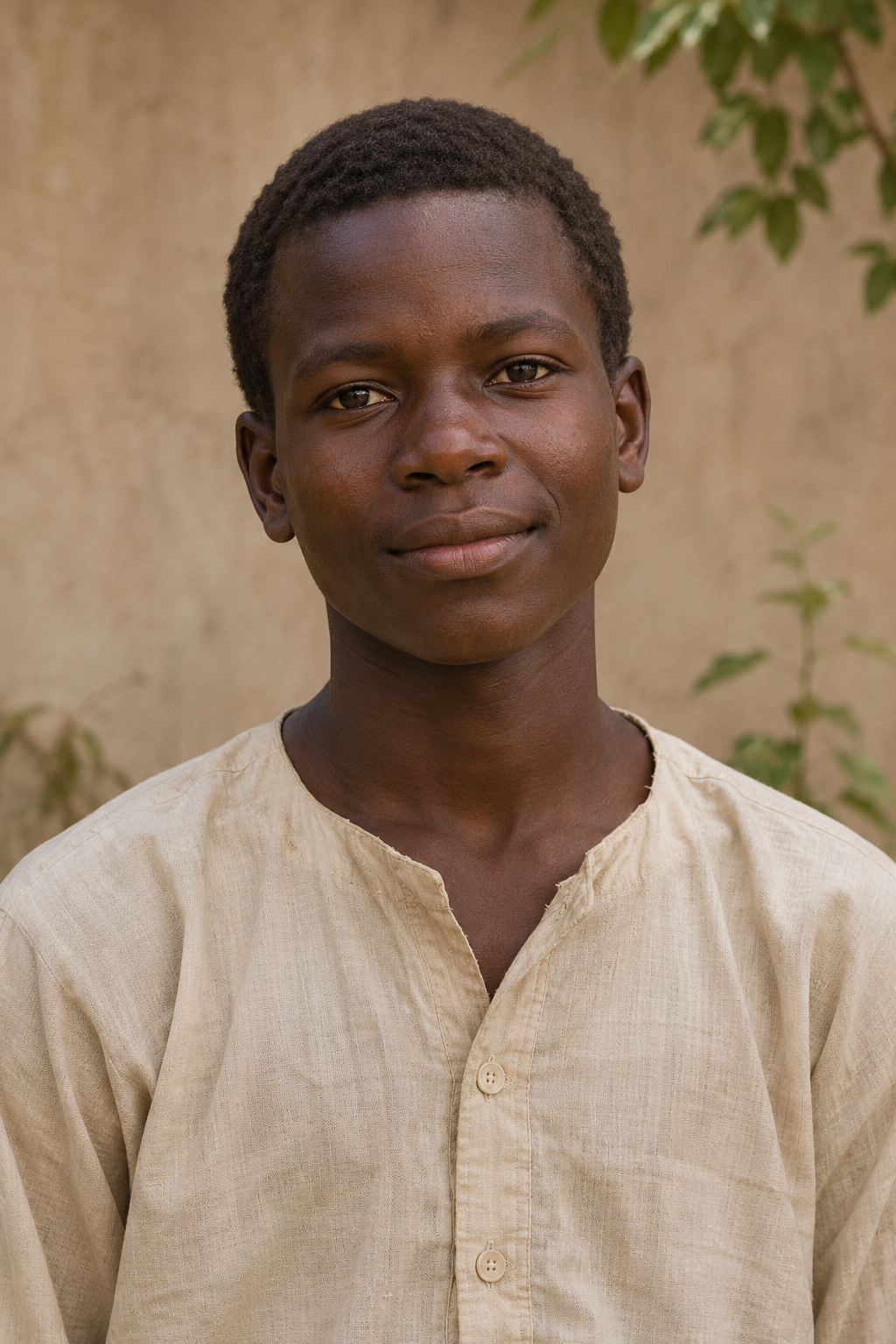
About Daudi Okelo
Daudi Okelo was born around 1902 at Ogom-Payira in northern Uganda. His parents were Lodi and Amona. He received Christian instruction at Kitgum and was baptized in June 1916. After further formation, he became a lay catechist.
When Antonio, the catechist serving Paimol, died in 1917, Daudi offered to replace him. He had only recently become a Christian himself. His appointment placed him among the local teachers on whom the mission depended to reach communities at a distance. The younger Jildo Irwa went with him as an assistant. Their work together would last about a year.
Carraro’s account connects their preparation with instruction in Acholi, using a catechism translated for local learners. At Paimol, their days combined religious teaching with agricultural work. They called children together with a drum before the day’s tasks began and again later for prayer. Their teaching fitted around village households’ responsibilities.
Daudi used questions, answers and songs to help learners remember the first elements of the faith. He also visited nearby settlements. Those visits extended the work beyond the place where he lived and taught. His ministry was carried out as a local lay teacher, rather than an ordained priest.
The region was experiencing severe disruption. Smallpox, drought and famine accompanied resentment of forced labour, taxation and British interference with local leadership. Anthropologist Henni Alava places the catechists’ deaths within that wider colonial conflict. She cautions against treating political unrest merely as a background that can be separated from opposition to the new religion. The history therefore involves both religious change and a struggle over the ordering of local society.
Daudi and Jildo were Acholi, but belonged to a different clan from the people among whom they worked. They were consequently local African evangelists and newcomers to that particular community. McCleary’s historical account notes that other Catholic converts and foreigners also died during the 1918 uprising. The violence reached beyond the two catechists, even though the Church remembers their own refusal to abandon their assignment as a distinct witness.
They were killed at Paimol in October 1918. The Catholic account describes Daudi refusing a demand to stop teaching Christianity, followed by his death from spear wounds. Gambaretto began gathering testimony about the deaths.
John Paul II beatified Daudi and Jildo on 20 October 2002. He honoured them as young witnesses to Christ and presented them as models for catechists. This is the Catholic Church’s recognition of their deaths as martyrdom.
Their shared memory has a particular home at the Wi Polo Paimol shrine. Reporting on the 2016 pilgrimage, the archdiocese’s communications coordinator described Archbishop John Baptist Odama encouraging visitors to learn from their fidelity. The pilgrimage joined remembrance of the two with prayer and the life of the local Church.
In October 2026, Catholics from Uganda and other countries gathered at Wipolo for the anniversary of their deaths. The preaching emphasized perseverance and continuing to do good amid opposition. Daudi is remembered alongside Jildo as a young lay teacher whose brief Christian life became inseparable from the community he had agreed to serve.
Wondering how to weigh the stories and sources? Learn how to read a saint biography.