Biography
Diadochos of Photiki
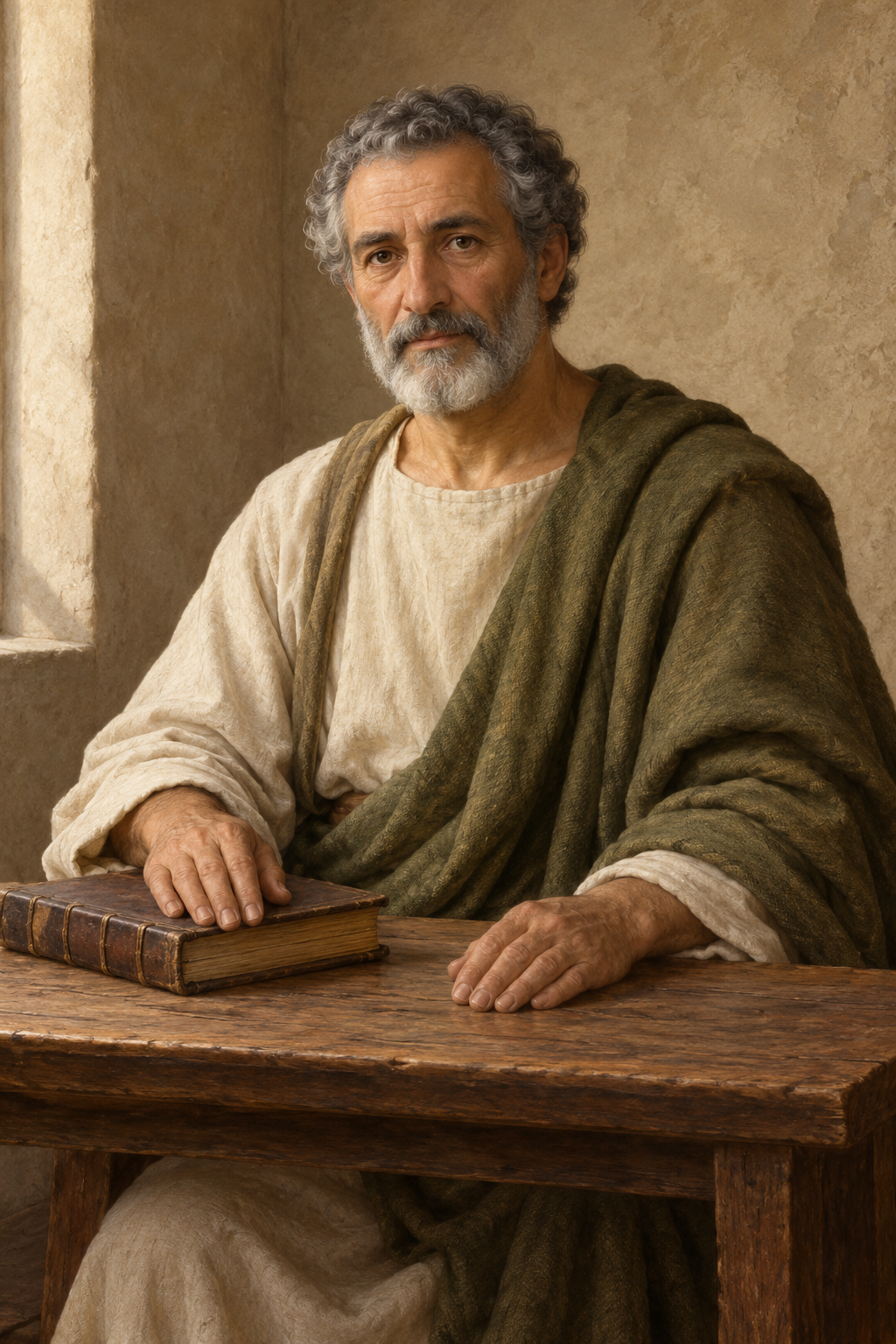
About Diadochos of Photiki
Diadochos of Photiki was a fifth-century Christian writer remembered as a bishop in Epirus. His surviving writings are much better known than the events of his life. The Orthodox Encyclopedia explains that estimates of his birth and death depend on scholarly reconstruction. His birthplace is unknown. Later manuscript titles and the ninth-century writer Photius identify him as bishop of Photiki.
Janet Rutherford questions how securely the episcopal title can be established from the surviving evidence.
His principal work is a sequence of one hundred chapters on spiritual knowledge and discernment. Rutherford reads it as a connected theological argument, rather than a collection of unrelated sayings. She also cautions that the short definitions often printed before the chapters probably came from another hand.
The opening chapters place love at the center of Christian contemplation. Diadochos presents human freedom as the capacity to turn deliberately toward goodness, with divine help. In chapter 59, he advises sustained attention to the name of Jesus as a means of gathering the wandering mind.
His account of spiritual growth uses the image of a painter completing a likeness. Baptism restores the divine image, he writes, while the fuller likeness calls for human cooperation with grace. The comparison leads toward love as the completion of virtue. Elsewhere he brings contemplation down to the consequences of a quarrel: someone who has insulted another should seek reconciliation, and should continue to regard that person with compassion even if reconciliation is refused.
Diadochos also left a sermon on the Ascension. The Orthodox Encyclopedia connects its teaching with support for the Council of Chalcedon. This does not establish that he personally attended the council. His literary legacy includes the Hundred Chapters and the work called the Vision; the attribution of a Catechesis remains disputed.
S. S. Kim identifies a Greek commemoration on March 29 and a Georgian one on March 5 in medieval manuscripts. He discusses the explanation that Diadochos was commemorated with Mark the Ascetic because their writings circulated together.
In December 2021, the Romanian Orthodox Holy Synod added him to its calendar on March 29 and approved liturgical material for his commemoration. This was a local calendar decision concerning an already remembered saint.
Rutherford traces the importance of his teaching for later Byzantine spiritual writers. His lasting place rests especially on the Hundred Chapters, where the work of attention and discernment is inseparable from love.
Wondering how to weigh the stories and sources? Learn how to read a saint biography.