Biography
Dionysius of Corinth
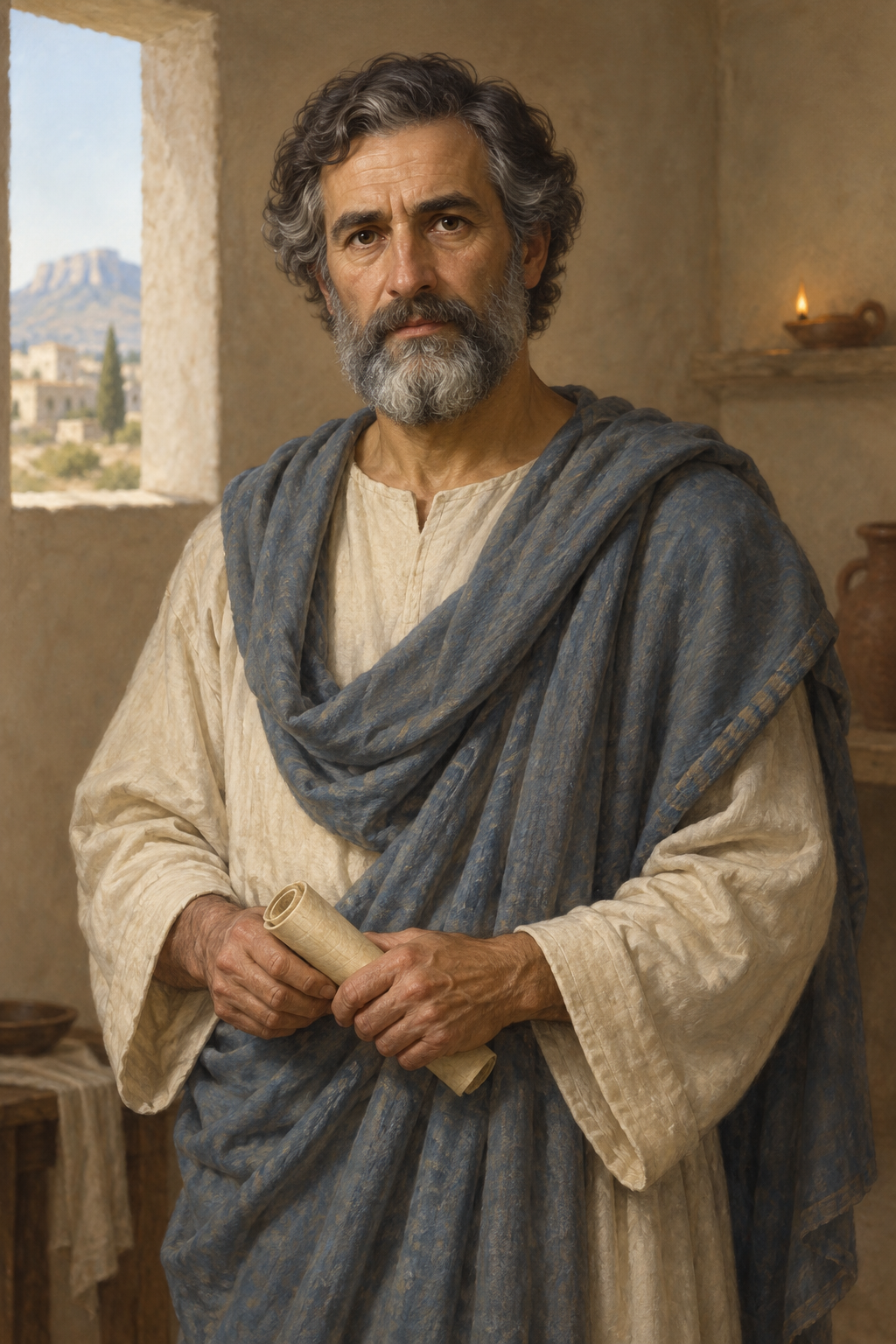
About Dionysius of Corinth
Dionysius was bishop of Corinth in the later second century. His surviving reputation rests on letters written to Christian communities beyond his own city. John Chapman places his activity around 170, during the episcopate of Soter at Rome. This is a date for his work, not a securely recorded birth or death.
The letters no longer survive as a complete collection. They are known through the historian Eusebius, who summarized their contents and preserved short extracts. Chapman notes that Jerome’s later notice depended on the same account. The resulting record offers glimpses of a bishop’s concerns, but very little about his family, education or appointment.
According to Eusebius, Dionysius encouraged peace and unity in the community at Sparta and urged the Christians of Athens to remain faithful after the martyrdom of their bishop Publius. He also wrote to communities in Asia Minor and Crete. These were pastoral exchanges across considerable distances.
One letter urged the church at Amastris to welcome back people who repented of serious failings or doctrinal error. Another warned Bishop Pinytus of Knossos against imposing excessive demands of sexual abstinence on everyone. Pinytus replied that believers also needed more demanding teaching. Eusebius preserved both sides of this exchange.
Writing to Rome, Dionysius praised its help for impoverished Christians and those condemned to work in mines. He also described reading a Roman church letter during Sunday worship, alongside the earlier letter associated with Clement. The fragments connect written encouragement with material support.
Modern scholarship has explored how this correspondence helped communities maintain relationships. Cavan Concannon reads the letters as instruments of diplomacy and organization within the routes used by merchants and travellers. His approach draws attention to the movement of messages, resources and influence between cities, rather than treating the letters only as a list of bishops or theological disputes.
Concannon also emphasizes a limit of the evidence: the surviving material was selected by Eusebius for his own historical purposes. His notes identify the historian’s particular interest in episcopal succession and apostolic connections. Reading Dionysius therefore involves attending both to the second-century writer and to the later author who preserved him.
The circumstances of his death are uncertain. The Catholic notice in Nominis commemorates him around 180, while other summaries give an earlier estimate. Per Einar Odden notes that the tradition of martyrdom lacks firm historical evidence. He is best remembered through the correspondence that connected local Christian communities and addressed the practical demands of their shared life.
Wondering how to weigh the stories and sources? Learn how to read a saint biography.