Biography
Eberhard of Salzburg
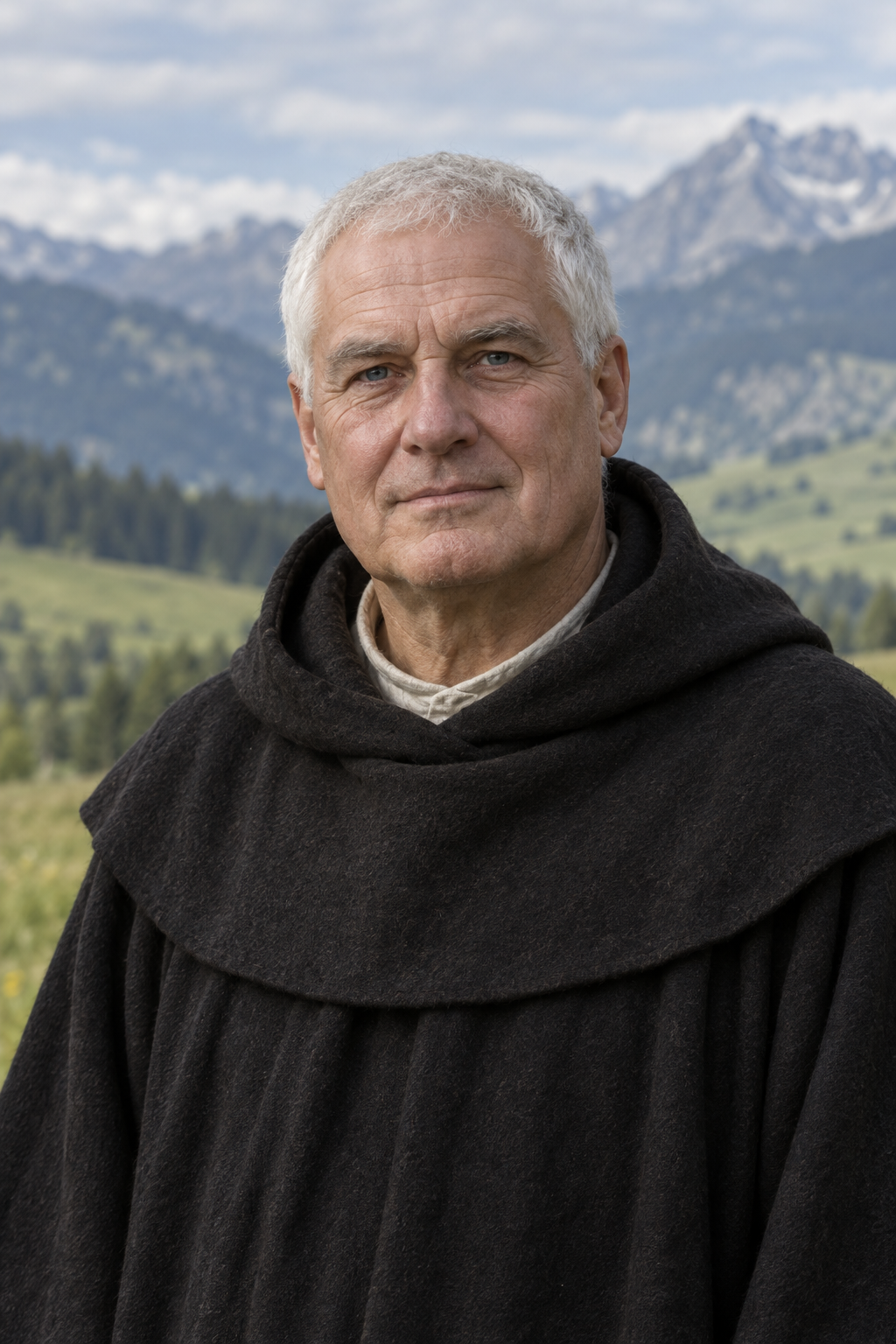
About Eberhard of Salzburg
Eberhard’s education took him from the cathedral school at Bamberg to further study in Paris. He held a prebend in the Bamberg cathedral chapter before entering the monastery of Prüfening around 1125. Together with members of his family, he helped establish the monastery of Biburg. He became its first abbot in 1133, but received his abbatial consecration only in 1139. That ceremony took place in Rome, where Pope Innocent II consecrated him during a visit with Bishop Egilbert of Bamberg.
His medieval biographer describes an earlier attempt to enter monastic life at Saint Michael’s in Bamberg. According to this account, Eberhard entered without the knowledge of the provost responsible for him, who came with the cathedral community and demanded his return. The same writer says that Eberhard eventually entered a monastery with his bishop’s consent when he was about forty.
The Life remembers his charity through particular acts of care. On a journey to Rome, it says, he gave a sick woman his mount to help her cross an Apennine pass and led the animal himself. It also describes his visits to the poor, washing and combing the hair of sick people and helping them eat and drink. These episodes convey the practical service his monastic biographer wished to preserve in his memory.
Elected archbishop of Salzburg in 1147, he faced an appeal to accept the new responsibility. His election also survives in correspondence addressed to him while he was still abbot of Biburg. Heinrich, bishop of Regensburg, wrote urging him to accept the new responsibility. The letter reports agreement in Salzburg over the choice and identifies the churchmen sent to announce it. Heinrich asks Eberhard to put aside his intention to flee and submit to the calling. This appeal gives the election a personal dimension: accepting the archbishopric meant leaving the community he had led. He supported the monastic reforms of Gerhoh of Reichersberg.
The division between rival popes in 1159 brought Eberhard into conflict with Emperor Frederick I. He supported Alexander III, while Frederick backed Victor IV. Eberhard did not attend the councils at Pavia in 1160 or Cremona in 1161, where the imperial side sought support. Yet his allegiance to Alexander did not mean that he broke off all obedience to the emperor. He continued to seek an agreement between them.
In March 1162 he went to the imperial camp near Milan, accompanied by Bishop Hartmann of Brixen and Gerhoh of Reichersberg. Frederick received him favorably, but Eberhard could not persuade him to reconcile with Alexander. Another attempt later that year also failed. Alexander appointed him papal legate for Germany in February 1163, giving him a formal role as the pope’s representative. That April, Eberhard and Hartmann tried again at Mainz. Negotiations began but did not produce a settlement. His repeated missions therefore ended without healing the division he had worked to overcome.
His biographer also recalls efforts to settle a conflict at Regensburg. The account credits him with obtaining mercy for captives and relief for the city. It places further peacemaking near the end of his life, when illness had weakened him and he travelled by carriage.
He died at the monastery of Rein in June 1164 and was buried in Salzburg Cathedral.
The exact day of his death is given as either June 21 or June 22 in the Archdiocese of Freiburg’s account.
After his death, the bishop of Bamberg, also named Eberhard, sent a letter of consolation to churchmen at Salzburg and Chiemsee. He remembered the archbishop’s concern for other people’s distress, especially poverty, and his willingness to come close to people suffering from leprosy. The letter also carries a personal regret: its author had hoped to see him again and receive his blessing, but had been unable to do so. Preserved within the medieval Life, this separate letter offers a contemporary expression of loss alongside the biographer’s later recollections.
Veneration as a saint began before the end of the twelfth century. The later canonization process did not reach completion.
Eberhard’s memory also passed through the hands of monastic writers. One medieval Life was written after 1177 by a monk who had known him as abbot of Biburg. As historian Diarmuid Ó Riain explains, this account gave particular attention to his monastic career. It was later included in a collection about Salzburg’s bishops assembled at or for Admont, alongside accounts of miracles attributed to Eberhard after his death. The collection linked him with earlier holy bishops of Salzburg, presenting a continuing tradition of sanctity at the see.
A surviving brass seal matrix offers a different kind of evidence for his archiepiscopal office. The University of Graz catalogue records its discovery in his original burial place during excavations in Salzburg Cathedral in 1957. The seal depicts a seated archbishop holding a pastoral staff and an open Gospel book, and its inscription identifies Eberhard as archbishop of Salzburg.
Wondering how to weigh the stories and sources? Learn how to read a saint biography.