Biography
Engratia of Zaragoza
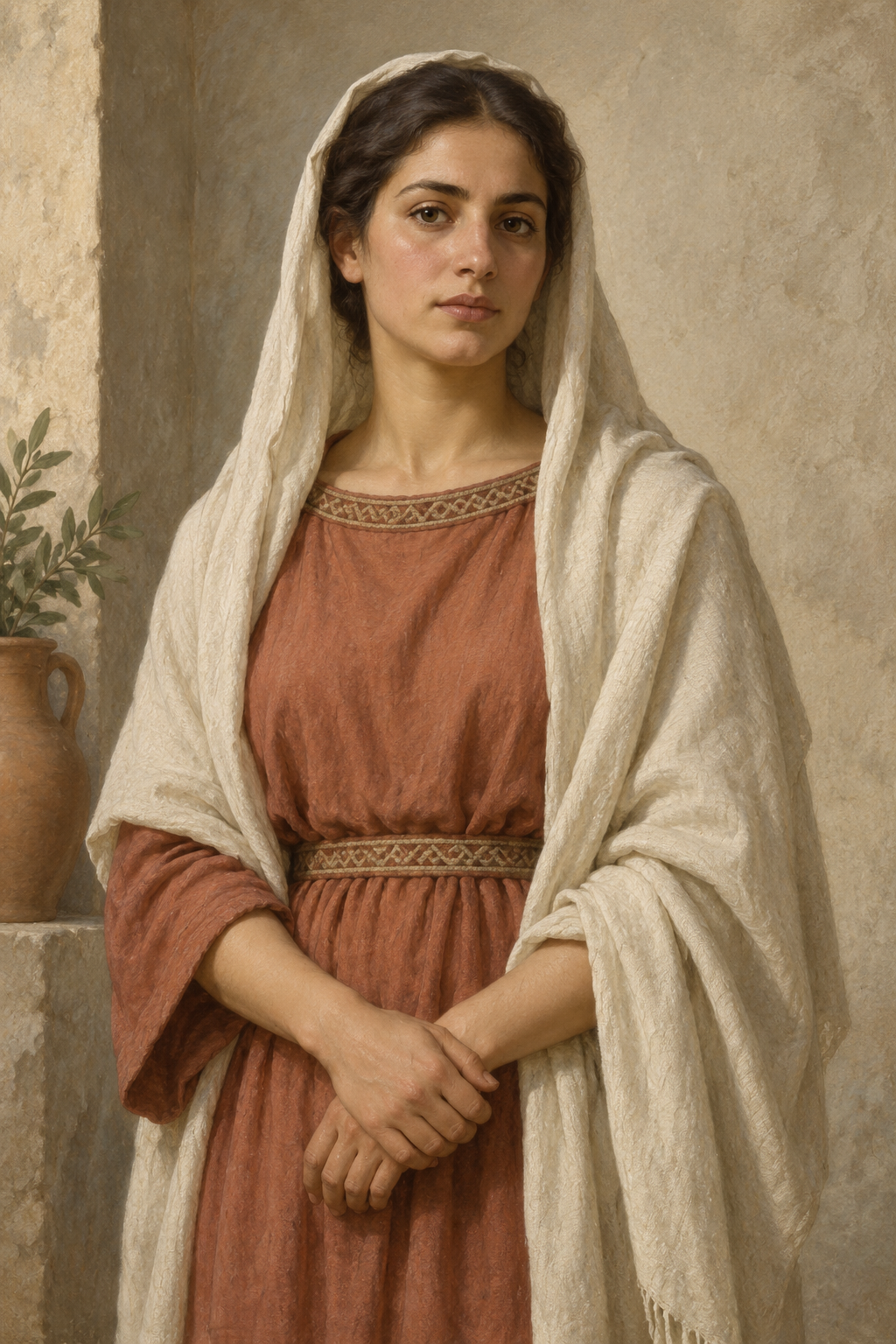
About Engratia of Zaragoza
Engratia of Zaragoza is remembered as a Christian woman who endured severe torture and survived it. Prudentius included her in his poem honouring the city’s martyrs. The Catholic Church in Norway’s account explains why she could be honoured as a martyr even though the ordeal did not immediately end her life: her wounded body remained a testimony to her faith.
Her chronology is uncertain. The Norwegian account questions whether she suffered at the same time as the eighteen martyrs commemorated in the poem and suggests a later fourth-century setting. That uncertainty makes a precise death year misleading. Her place within Zaragoza’s religious memory is clearer than the sequence of events in her life.
Alejandro Olivar identifies Prudentius as the principal ancient source behind the later accounts. He cautions that the poem’s graphic descriptions include rhetorical elaboration. Their religious and literary purpose must be considered alongside what they may preserve about persecution. A detailed scene of suffering is not automatically a reliable record of every injury.
Later tradition enlarged the story. It made Engratia and her companions travellers from Portugal and supplied a narrative associated with a governor named Dacian. Olivar treats these additions critically, including the Passion falsely attributed to Braulio of Zaragoza. The familiar story therefore combines an early remembrance of a suffering Christian with details developed afterward. Her birthplace, proposed marriage and exact circumstances of death remain unconfirmed.
Devotion to her became part of the city’s public life. The basilica’s history records her recognition as a patron of Zaragoza in 1480. The local calendar now celebrates her feast on November 3, following a change from April 16 in 1999.
The church bearing her name also preserves several periods of that remembrance. The Government of Aragon’s heritage account describes the Renaissance entrance made by Gil Morlanes and his son, surviving from the former Hieronymite monastery. Much of the monastery was damaged during the sieges of Zaragoza, and its remaining buildings were demolished in 1836. The present church was built in the late nineteenth century. Its crypt remains a place of veneration for relics associated with Engratia and the city’s martyrs.
Wondering how to weigh the stories and sources? Learn how to read a saint biography.