Biography
Ethelgiva of Shaftesbury
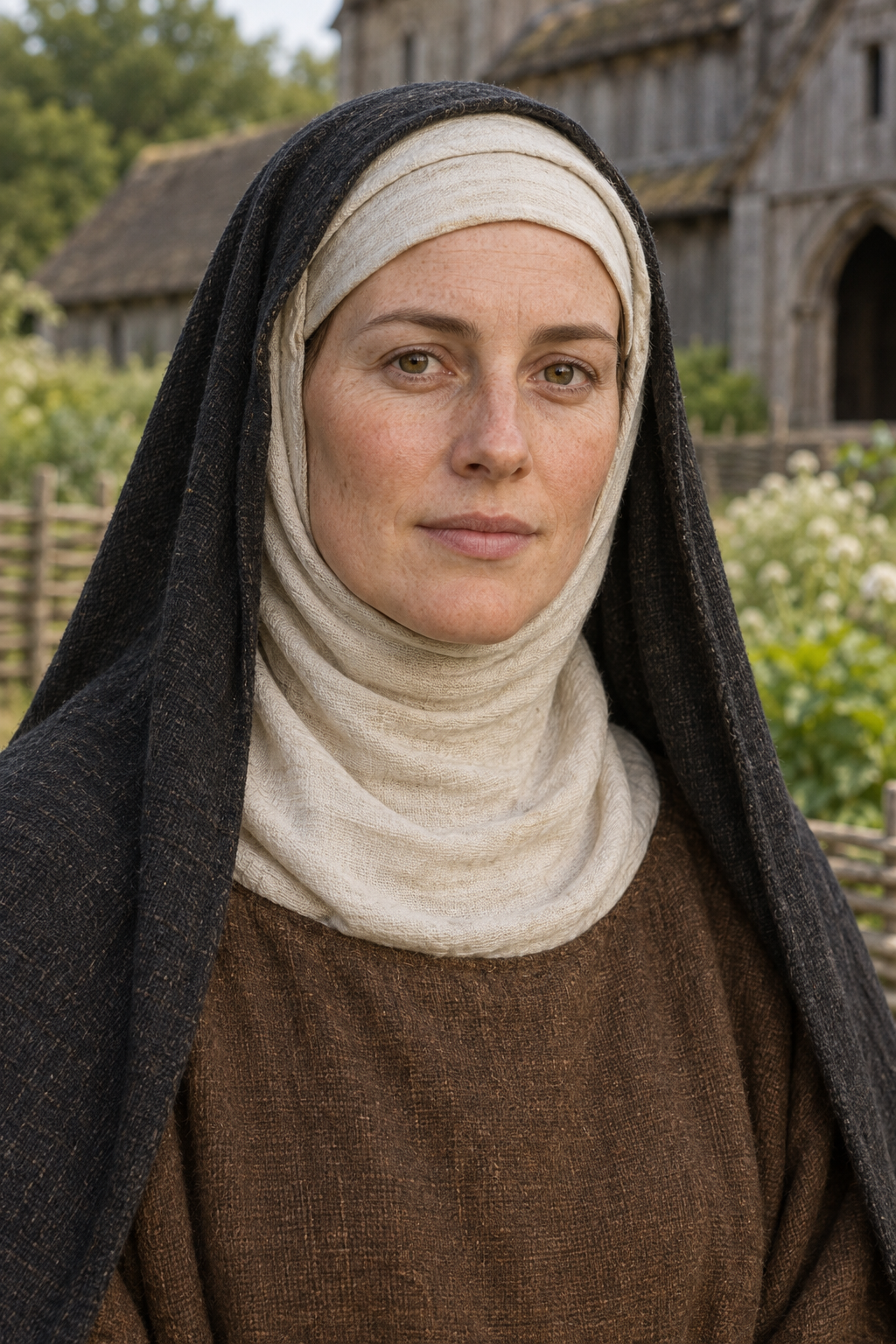
About Ethelgiva of Shaftesbury
Ethelgiva, also known as Æthelgifu, became the first abbess of Shaftesbury, a religious community founded by her father, King Alfred. The foundation belongs to the late ninth century. The Cambridge Anglo-Saxon Charters website places it probably in the late 880s, beside the eastern gate of the fortified settlement Alfred had established.
Asser names her among Alfred’s children and records that she entered monastic life. In his account of Shaftesbury, he says that Alfred appointed his daughter abbess and that other women of noble families lived there with her. He also records the king’s gifts of land and wealth to this house and his monastery at Athelney. These passages establish her religious commitment and responsibility for a community, but offer little detail about her daily work.
The abbey’s museum remembers her as its first abbess and dates the foundation to around 888. The form of the earliest church remains uncertain: the museum explains that it may have been timber or stone. The much larger buildings that later occupied the site should not be mistaken for the surroundings she knew.
Her story is distinct from that of Queen Ælfgifu, the wife of King Edmund, who was buried at Shaftesbury in the tenth century. Cambridge’s account identifies the two women separately. The abbey’s later royal connections and its other saints belong to the history of the community after Ethelgiva’s foundation-era abbacy.
Nominis gives 896 as her death year and lists a local feast on December 9. That year is retained as a traditional date. The early passages about her abbacy do not describe her death. Her remembrance preserves the name of a woman entrusted with leadership at the beginning of Shaftesbury’s religious life.
Wondering how to weigh the stories and sources? Learn how to read a saint biography.