Biography
Eusebia of Hamage
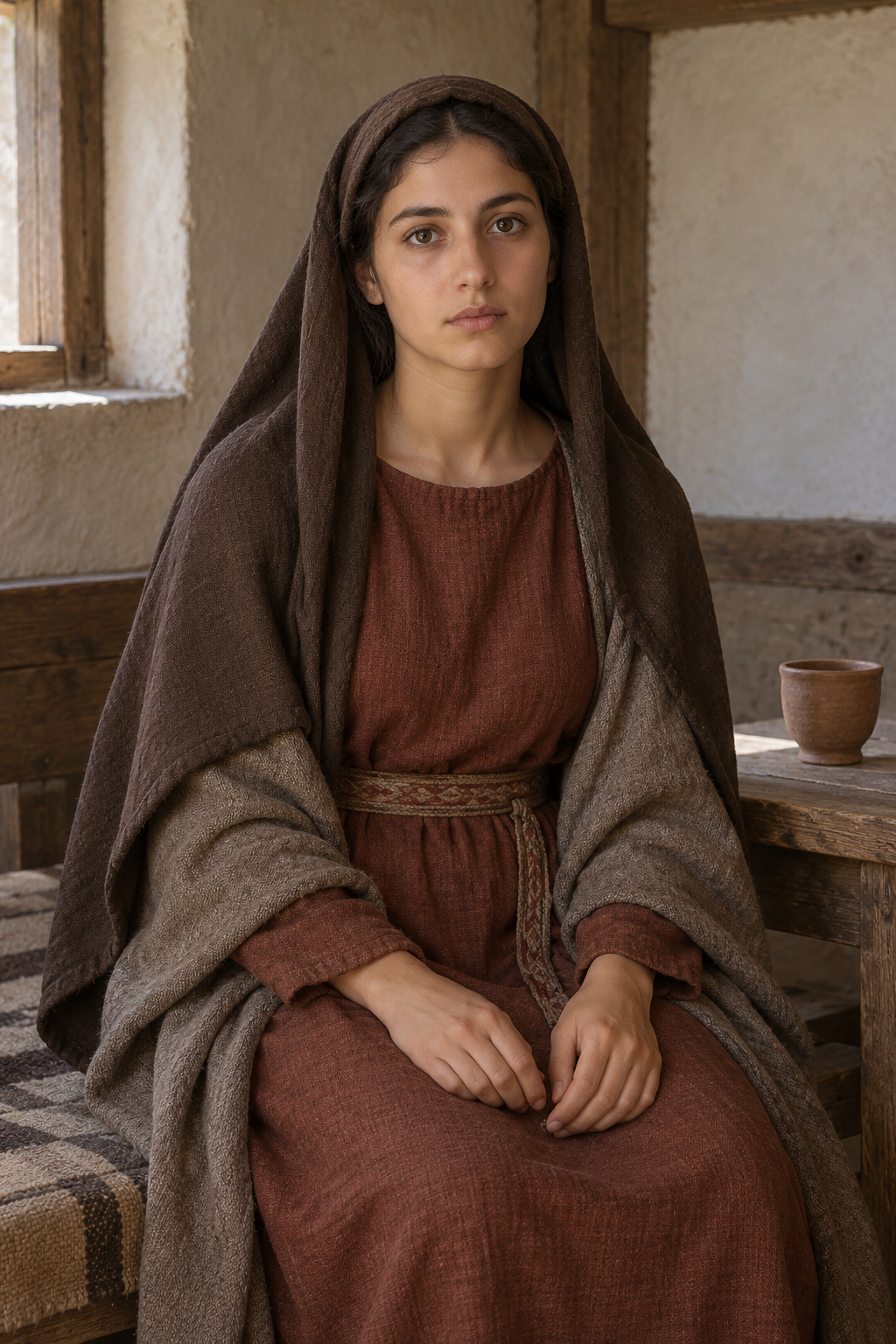
About Eusebia of Hamage
Eusebia was a seventh-century abbess of Hamage, remembered as the daughter of Adalbaud and Rictrude. Cambrai’s liturgical account says that Gertrude raised her at Hamage and that she succeeded her while still a child.
The anonymous Life gives her age as twelve. Rictrude opposed her daughter’s independence and obtained royal authority to bring her to Marchiennes. Eusebia nevertheless returned secretly to Hamage at night to pray. Her mother ordered Mauront, Eusebia’s brother, to punish her. During the beating, the sword hilt of the man holding her struck her side; the author says she continued coughing blood for the rest of her life.
In this account, Rictrude eventually sought advice from bishops and abbots, who urged her to let Eusebia return. She resumed life at Hamage with her companions. The author praises her judgment and perseverance, and describes her final encouragement to the community to remain united in charity. These episodes belong to the saint’s hagiographical narrative.
Archaeology helps recover the setting of that community. Excavations at Hamage revealed a seventh-century enclosure with wooden palisades and small cells, together with pottery bearing personal names. A cup inscribed with the name Aughilde preserves the memory of another woman in the community. These finds illuminate daily life beyond the stories centered on its abbesses.
Eusebia’s memory also shaped the site after her death. Excavator Étienne Louis proposed that a small space preserved through successive church rebuildings was her burial memorial. He compared the remains with a twelfth-century description of a small shrine beside the church. This is an archaeological interpretation, rather than an identification of surviving bodily remains.
Cambrai commemorates Eusebia on March 16. Its account places her death at Hamage while still young, toward the end of the seventh century.
Wondering how to weigh the stories and sources? Learn how to read a saint biography.