Biography
Eusebius of Fano
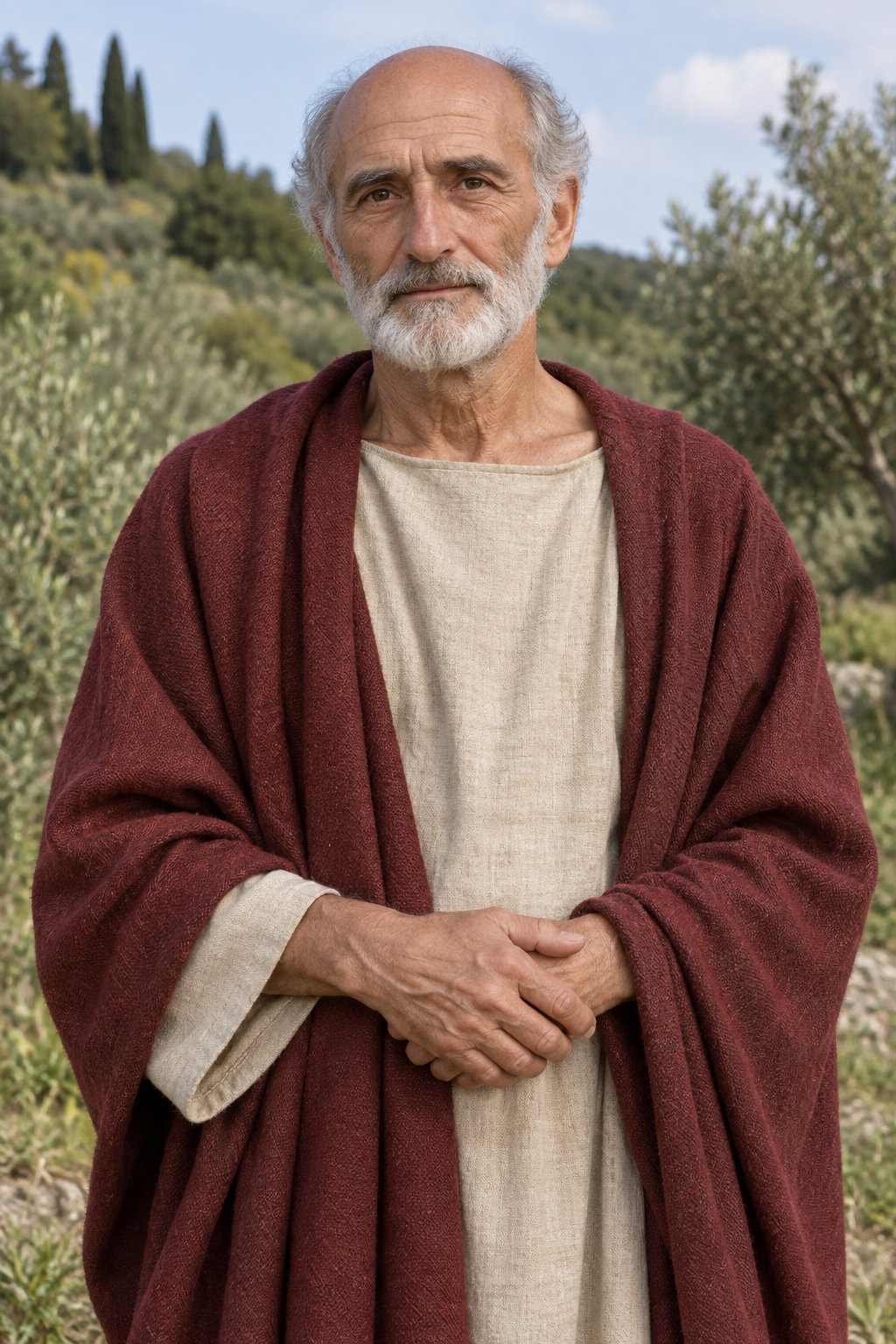
About Eusebius of Fano
Eusebius led the church of Fano in the early sixth century. Francesco Lanzoni’s critical history records him in 502, after Bishop Vitalis, who is attested in 499.
Eusebius was bishop of Fano when King Theodoric sent Pope John I and other churchmen to Constantinople. The early chronicle known as the Anonymus Valesianus names him as Eusebius of Fanum Fortunae, alongside Ecclesius of Ravenna and Sabinus. Senators also accompanied the delegation.
The mission arose from conflict over the treatment of Arians in the eastern empire. According to the chronicle, John refused to promise that converts to Catholic Christianity would be returned to Arianism. Emperor Justin received the pope honorably and agreed to the other requests, but not to that demand.
Andrea Bedina’s scholarly account places the delegation’s departure in autumn 525 and its return after Easter 526. He cautions that the results of the negotiations remain disputed because the surviving accounts are partisan. His account describes the bishops and senators being arrested with John after their return.
The chronicle then describes John’s hostile reception and death, without giving Eusebius’s subsequent fate.
The notice reproduced by Nominis places his death at Ravenna around 526.
Bartoccetti instead records a tradition that Eusebius died at Fano and emphasizes that the documents fall silent about him after the embassy. The year 526 is therefore retained as approximate, while the competing death locations remain unresolved.
Local tradition also credits him with restoring the former cathedral of San Pietro in Episcopio and establishing a community of clergy there. No Acts of his life survive, according to Bartoccetti. A much later account by John, abbot of Nonantola, describes relics identified as Eusebius’s being found with those of Fortunatus and Ursus beneath the cathedral altar in 1113. That medieval report concerns the later reception of his remains, rather than contemporary evidence of his death.
Fano remembers Eusebius among the city protectors represented on the Palazzo del Podestà.
Wondering how to weigh the stories and sources? Learn how to read a saint biography.