Biography
Eustathius II of Serbia
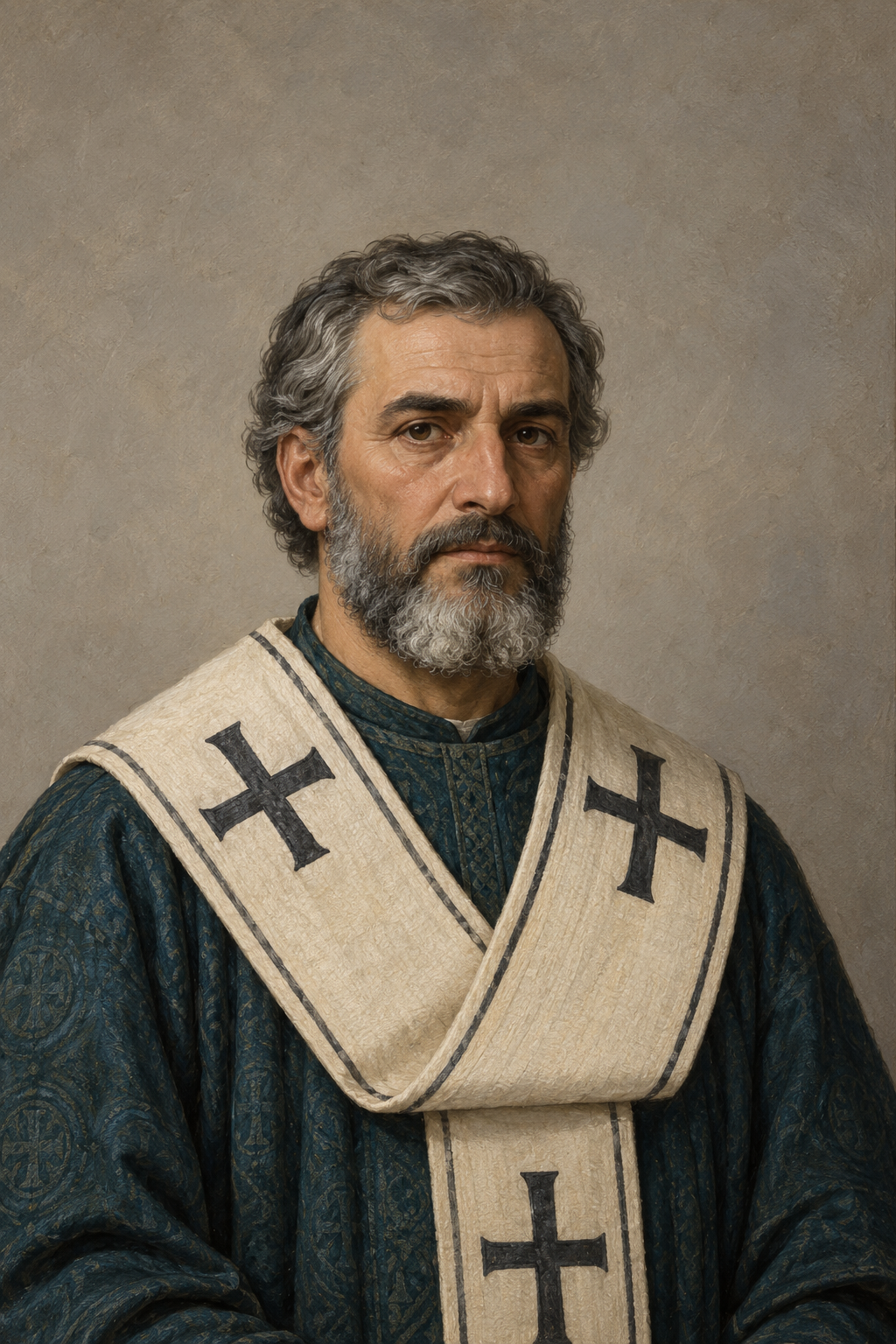
About Eustathius II of Serbia
Eustathius II led the Serbian Orthodox Church from 1292 to 1309, succeeding Archbishop Jacob. Church tradition remembers him as both an ascetic and a conscientious pastor. The numeral in his name distinguishes him from Eustathius I, an earlier Serbian archbishop; it does not mean that he was Serbia’s second archbishop.
Little is known about his family or early life. Historian Siniša Mišić notes this gap while placing his career within the close relationship between the Serbian monarchy and the church. At King Milutin’s recommendation, Eustathius received the monk Daniel into his household for study and spiritual formation. That monk later became Archbishop Daniel II, an important writer and church leader. The connection helps explain why traces of Eustathius’s work survive in accounts concerned principally with Daniel.
Eustathius helped restore Žiča Monastery after a destructive invasion. The surviving account of his life is fragmentary, preserved in the biography of Daniel II written by one of Daniel’s disciples. It presents a church leader occupied with rebuilding and pastoral responsibility rather than supplying a continuous personal narrative.
His responsibilities also took him into diplomacy. In 1298–1299, he participated in negotiations with the Byzantine envoy Theodore Metochites as King Milutin sought peace with Byzantium. During a dispute with Dubrovnik in 1301, he asked its citizens to send a delegation for negotiations in Serbia. These episodes place him within the difficult work of maintaining relations between neighboring powers.
That closeness to the king also involved a troubling decision. Mišić records that Eustathius blessed Milutin’s marriage to Simonida, which the historian describes as contrary to church law. His role cannot therefore be reduced to an uncomplicated story of political peacemaking. The same relationship that allowed him to influence royal affairs could place ecclesiastical judgment under pressure from the ruler’s interests.
His tenure saw changes in the church’s diocesan organization and the production of a church-law manuscript for Hilandar. He was also represented in the painted decoration of the church of Saint Achillius at Arilje. Such records preserve aspects of his public office even where his personal circumstances remain obscure.
The traditional Life gives his death as August 16, 1309, and describes veneration beginning soon afterward. The Orthodox Encyclopedia marks the precise date as uncertain. His church commemoration is August 16, and the surviving tradition emphasizes the combination of personal religious discipline and care for the community entrusted to him.
Wondering how to weigh the stories and sources? Learn how to read a saint biography.