Biography
Eutropius of Orange
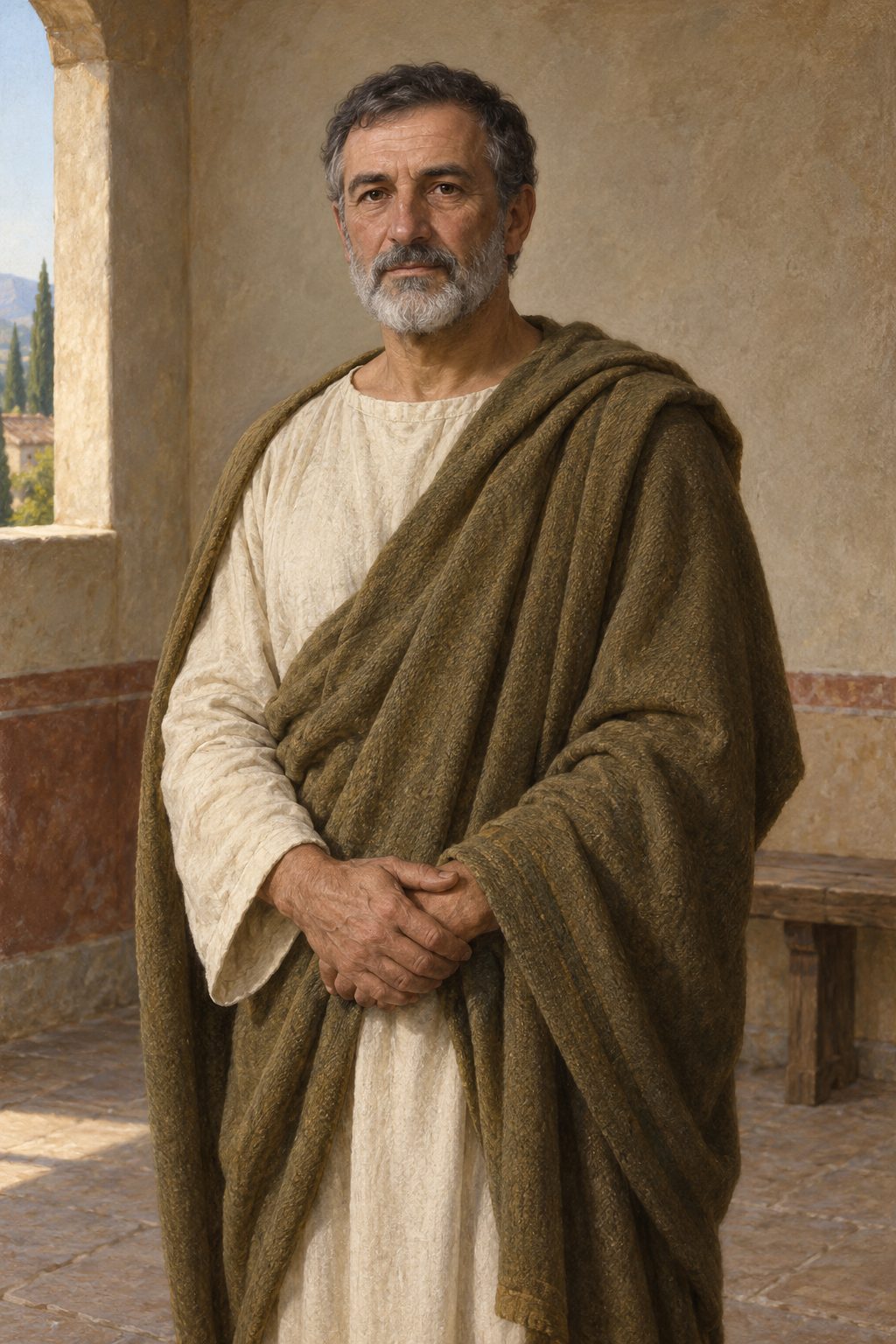
About Eutropius of Orange
Eutropius of Orange was a bishop in fifth-century Gaul. Victor Saxer places his episcopate in the third quarter of that century, with participation in councils at Arles in 463 and again around 473 or 475. He died before the century ended, but the year is unknown. The surviving evidence therefore supports a period of public service more securely than exact dates for his birth or death.
The diocesan account remembers him as a native of Marseille who entered church service after becoming a widower. It says Bishop Eustasius ordained him deacon and that he later succeeded Justus at Orange. His pastoral life is described through prayer and manual work in a city troubled by warfare. These details come through the tradition of his Life and should be distinguished from the dated evidence for his episcopate.
A letter from Sidonius Apollinaris offers a contemporary connection. Addressing him as a bishop, Sidonius writes after danger to travellers has eased and asks about his health and affairs. He hopes that distance and long intervals between meetings will not weaken their friendship. He also asks for instruction and spiritual encouragement. The brief letter reveals respect and affection, without supplying a full biography or a secure itinerary for Eutropius.
His Life was composed by Verus around the turn of the fifth and sixth centuries. D. V. Zaitsev notes that the identification of Verus as his immediate successor belongs to later medieval tradition. The same scholarly entry distinguishes Eutropius’s historical episcopate from a much later Provençal story that made him one of the seventy disciples and connected him with Martha and Mary. That apostolic legend should not be used to move him into the first century.
The material record requires caution too. Saxer describes a damaged epitaph, rediscovered in 1799, now at the Musée Calvet in Avignon. Its praise of the deceased bishop does not by itself prove that a cult existed when it was composed. Saxer places the earliest surviving evidence for his cult in the Carolingian period. The monument and later devotion are important witnesses, but they answer different historical questions.
Similar names also need to remain separate. Dalton’s list of Sidonius’s correspondents distinguishes the bishop of Orange from another Eutropius, a nobleman who became prefect of Gaul. Letters addressed to that official should not be imported into the bishop’s life. At Orange, the diocesan account continues to honour Eutropius as the city’s patron and records relic veneration in the cathedral. His remembrance rests on a local episcopal history, sustained through changing political and religious circumstances.
Wondering how to weigh the stories and sources? Learn how to read a saint biography.