Biography
Faustinus of Rome
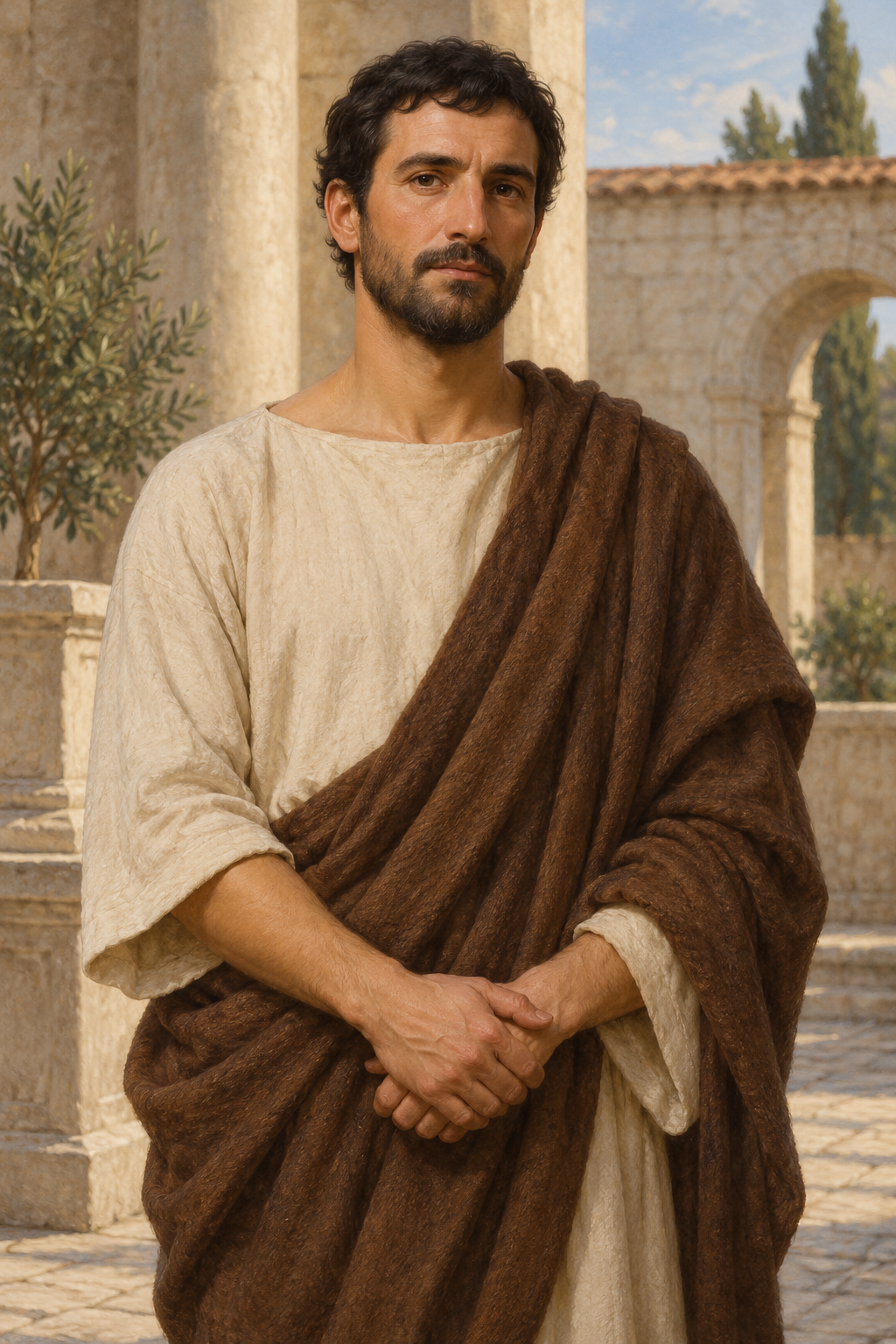
About Faustinus of Rome
Faustinus of Rome is remembered among the martyrs associated with the cemetery of Generosa on the Via Portuensis. The current Portuguese Roman Martyrology names him with Simplicius, Viatrix and Rufus on 29 July. It gives the place and the group, but no biography of Faustinus as an individual. Those limits are important because several saints named Faustinus occur in Christian calendars.
In a homily at a parish near the catacombs, Benedict XVI described a tradition that Simplicius and Faustinus were brothers and Viatrix their sister. He linked their deaths to the persecution that began in 303. The language of tradition matters: the homily remembers the people honoured at this place; it does not provide a surviving court record or exact date for each death. The historical year is therefore left unresolved in this profile.
Vatican News describes a later fresco in the Generosa catacomb, often called the Coronatio Martyrum. It depicts Faustinus with a martyr’s palm near Simplicius, Beatrice and Rufus. The image demonstrates an established community of remembrance by the sixth century, when the fresco is dated. It is not a likeness made during Faustinus’s own life. Accounts of relics later transferred to Roman churches and to Fulda show that this local devotion travelled beyond the cemetery.
The Catholic Encyclopedia recounts a medieval Passion in which Faustinus and Simplicius endure torture and are killed, their bodies cast into the Tiber. It also notes a competing version in which they drown with stones tied to them. The same reference explicitly warns that trustworthy early Acts for the brothers and sister no longer survive. Their manner of death should therefore be presented as divergent tradition rather than a documented sequence.
The Generosa catacomb committee compares Ado’s ninth-century martyrology, later Acts and the Golden Legend. It notes how the stories accumulated details, including a tale about a persecutor of Beatrice that grew in later retellings. The committee cautions against reading capitalis sententia as proof of beheading, because that reading conflicts with the detail of stones tied to bodies thrown into the river. Such differences show why the narratives cannot be combined into a single precise account.
What remains firmer is the continuity of veneration at Generosa and in the later liturgical calendar. Benedict XVI also noted relics kept in Rome and at Fulda, where the Portuensi martyrs were honoured as patrons. Faustinus’s life before the remembered martyrdom is not recoverable from the sources used here. He should not be confused with Faustinus and Jovita of Brescia, a different pair whose commemoration is on 15 February.
Wondering how to weigh the stories and sources? Learn how to read a saint biography.