Biography
Felicitas of Rome
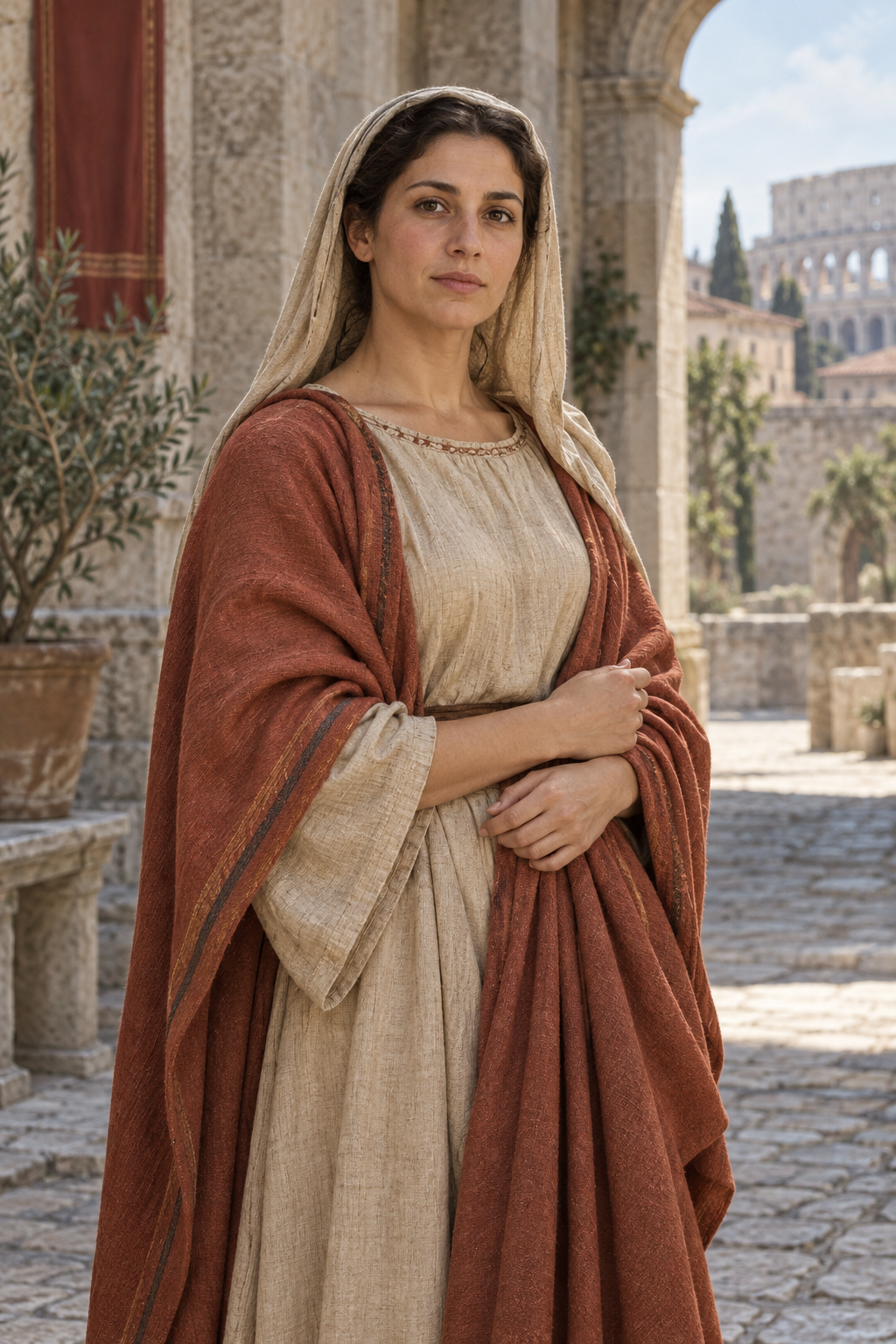
About Felicitas of Rome
Felicitas was remembered as a Christian martyr in Rome. The Roman Martyrology commemorates her on November 23 at the cemetery of Maximus along the New Via Salaria. That brief entry names her and the place associated with her burial, but gives no account of her childhood, family, work, arrest, or death.
An ancient Roman tradition connects Felicitas with seven other martyrs. The fourth-century list of Roman martyrs records seven men on July 10, buried in several cemeteries. Later Acts identify them as her sons and describe a confrontation with Roman authorities. The surviving Acts are later than the events they narrate and cannot establish the dialogue, sequence of executions, or even the precise relationship between Felicitas and the seven men. One of the seven was buried near her, which may have helped shape the association.
This is a case where the history of devotion is clearer than the details of a life. Later Roman art depicted Felicitas with seven sons, and a parish in Rome still honors them together. The Orthodox Church in America tells their story and commemorates them on January 25. Its narrative offers a traditional account of a mother who encouraged her sons to remain faithful under persecution. That witness can be described respectfully without presenting its speeches or date as a contemporary record.
Felicitas of Rome should not be confused with Felicity, who died with Perpetua and other Christians at Carthage in 203. Their stories belong to different communities and have different early evidence. Felicitas of Rome remains significant as a martyr whose Roman burial and commemoration are attested, while the mother-and-sons story shows how later Christians remembered courage under persecution.
Wondering how to weigh the stories and sources? Learn how to read a saint biography.