Biography
Felicity
About Felicity
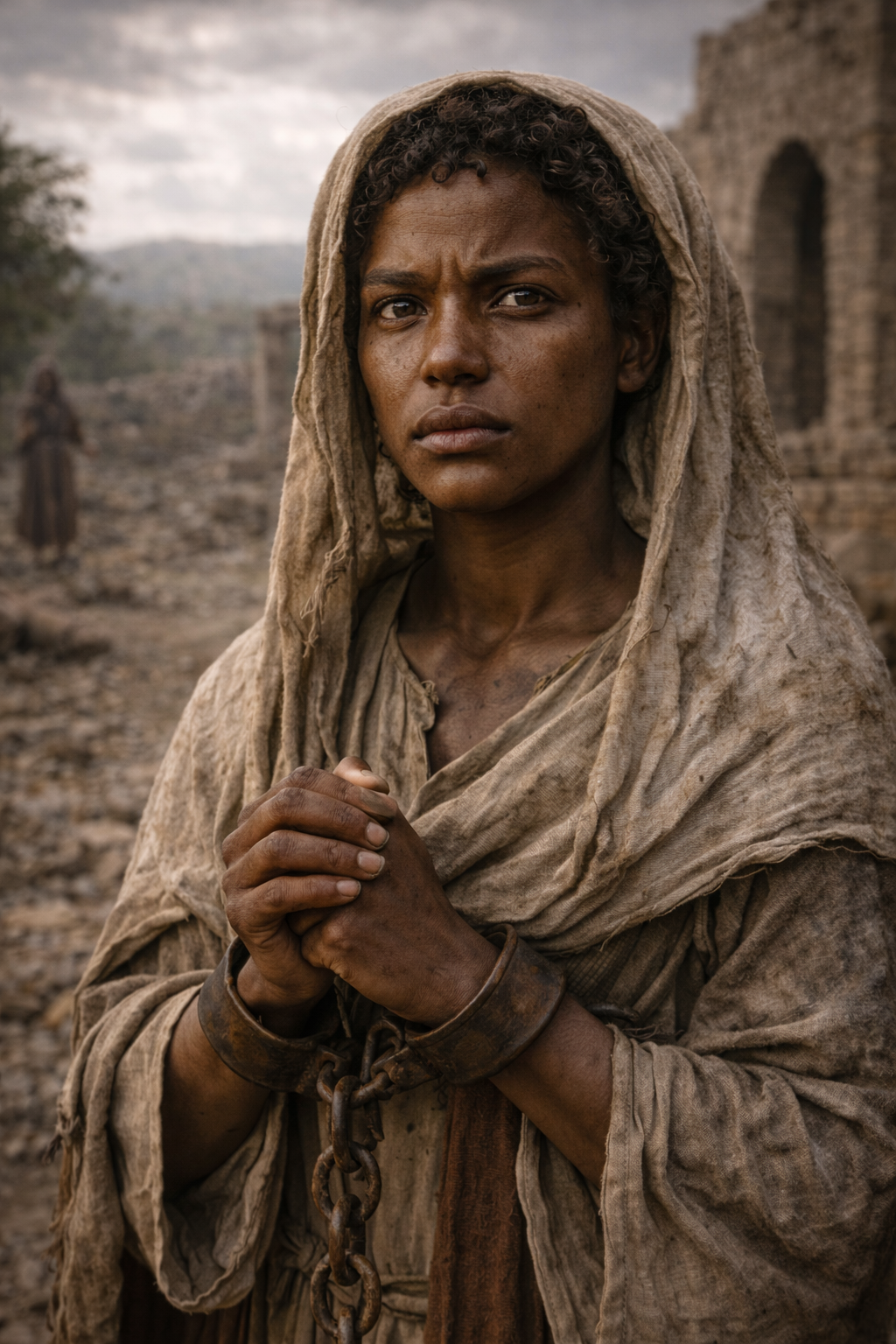
Felicity is known through an early Christian prison and martyr narrative usually called the Passion of Perpetua and Felicity. The text places its events at Carthage in Roman North Africa and names Felicity among catechumens arrested with Revocatus, Saturninus, Secundulus, and Perpetua. It calls Felicity a fellow enslaved person of Revocatus. It does not identify Perpetua as her owner, name Felicity's parents, disclose her birthplace, or describe her childhood. Later retellings often fill those silences, but the surviving account does not support them. Her former catalog birth date was therefore false precision and is removed. What can responsibly be told begins with her imprisonment as a Christian preparing for baptism.
The Passion combines different voices. Its central first-person prison section is attributed to Perpetua, while an anonymous editor introduces the prisoners and completes the account of their deaths. Felicity does not leave a first-person memoir of her own. Every statement about her therefore comes through another narrator. That does not make her invisible, but it does require careful attribution. The document is unusually close to the events and preserves concrete names and circumstances, yet it is also a work of Christian witness shaped to interpret suffering, visions, baptism, and death. Its speeches should not be presented as a modern verbatim transcript, and its providential explanations remain claims made by the narrator.
Felicity was pregnant when imprisoned. The editor says she was eight months pregnant as the day of the public games approached. Roman practice, according to the narrative, prevented the execution of a pregnant prisoner, and Felicity feared that she would be separated from her companions and killed later with other condemned people. The prisoners prayed together. The text reports that labor began soon afterward and that she gave birth to a daughter in prison. A guard mocked her pain and asked how she would face the beasts. Felicity answered by distinguishing her present labor from the suffering she expected to endure as a Christian. The exchange belongs to the Passion's testimony and reveals how its community understood her resolve.
The newborn child did not enter the arena. The Passion says that a Christian woman raised the baby as her own daughter. Nothing further is securely known about either woman or child. The episode nevertheless preserves a concrete act of community care around an imprisoned mother. Felicity's story should not be romanticized as though childbirth erased enslavement, confinement, or the loss she faced. Nor should her willingness to die be converted into indifference toward her daughter. The source records fear of separation from her fellow prisoners and relief at being able to face the same sentence; it does not offer a private account of every feeling she carried about the child entrusted to another household.
The prisoners supported one another during confinement. The Passion reports that Secundulus died in prison before the arena day and that Saturus joined the condemned group voluntarily. On the eve of the games, the prisoners shared what the text calls a love feast and addressed the watching crowd. These scenes portray a community rather than isolated heroes. Felicity's courage took shape beside Perpetua, Revocatus, Saturninus, and Saturus, amid practical dependence on other Christians. The account does not allow a complete map of their arrests, prison transfers, or family homes. Carthage can be identified at settlement level; an exact prison cell or arena location is not established by this packet.
On the day of execution, the editor says that Perpetua and Felicity were stripped and placed in nets for exposure to a cow selected for the women. The crowd objected to the spectacle when Felicity's body still showed the effects of recent childbirth, and the women were recalled and clothed in loose garments. The animal threw both women. Perpetua helped Felicity rise, and they stood together before being removed through the Gate of Life. This vivid scene is preserved by the Passion's concluding narrator. It documents the community's memory of gendered humiliation and mutual aid, while its carefully arranged language also serves the work's theological portrait of martyrdom.
The account concludes that the surviving prisoners were recalled for execution by the sword. It reports that an inexperienced gladiator wounded Perpetua before she guided the blade, but it gives less individual detail about Felicity's final moment. Felicity's death is therefore remembered corporately with the group rather than through an invented private speech. The traditional date is 7 March 203, associated with games for the birthday of Geta; this dating is widely received and historically probable, though the packet marks it approximate rather than pretending that every chronological question is closed. March 7 is also the principal Roman Catholic commemoration, while the Orthodox Church in America lists the group on February 1.
Felicity's enduring significance lies in the early record of an enslaved woman whose bodily vulnerability was not hidden by the community that remembered her. She gave birth under sentence, entrusted her daughter to another Christian, remained with companions across social differences, and faced public violence beside Perpetua. The source never lets modern readers hear Felicity narrate her own full life, so historical care must resist turning a few scenes into complete psychological knowledge. Even within those limits, her actions are specific: she shared fear openly, accepted help, remained in solidarity with fellow prisoners, and endured an execution designed as spectacle. Her commemoration keeps both her individual name and the community in which her witness was formed.
Wondering how to weigh the stories and sources? Learn how to read a saint biography.