Biography
Flora of Córdoba
About Flora of Córdoba
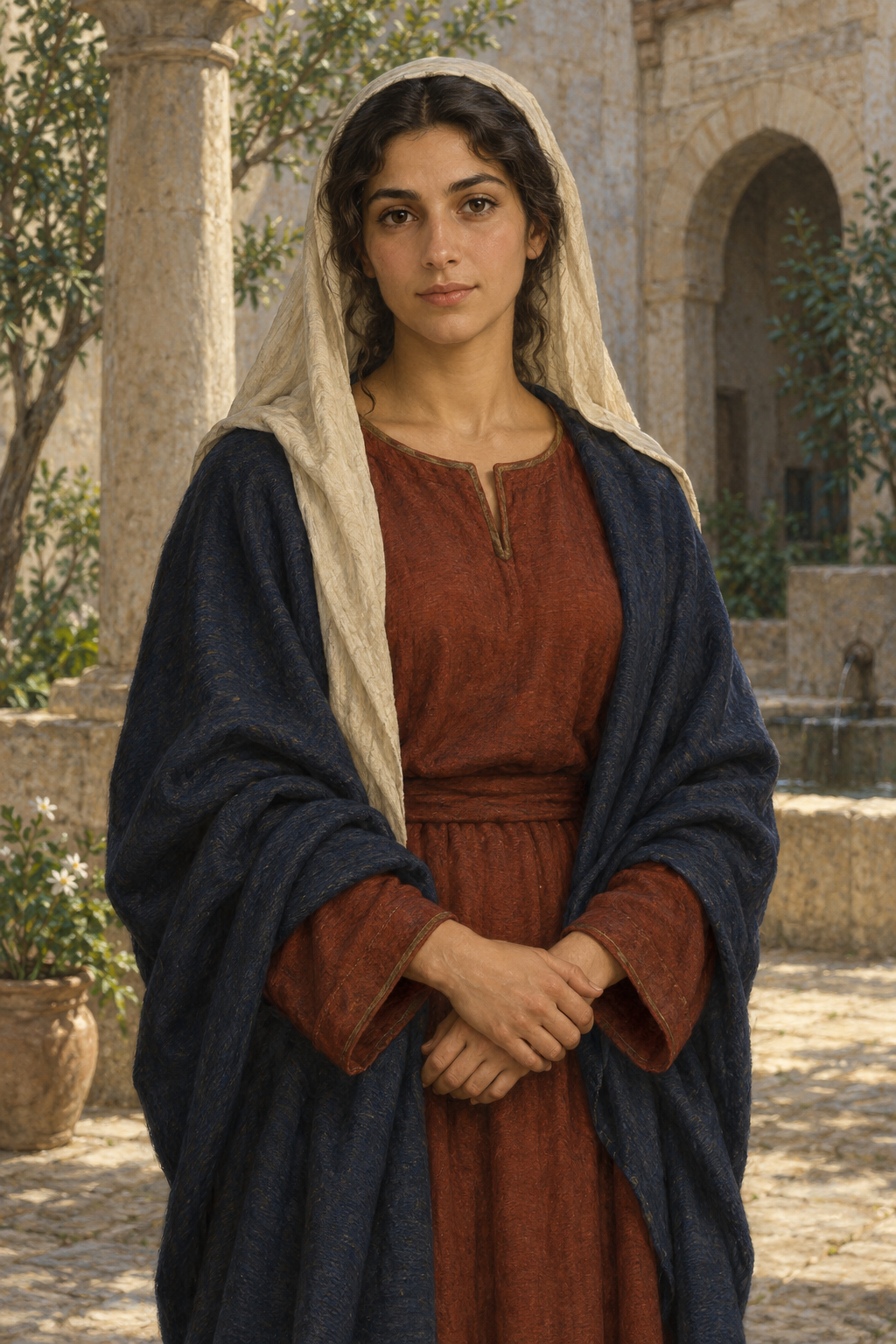
Flora of Córdoba is remembered with Maria as one of the Christian women executed in the city in 851. Their story survives unusually close to the events in a narrative written by Eulogius of Córdoba, who knew them. He writes as an advocate of the martyrs, making his account a valuable contemporary devotional witness. It gives far more detail about Flora than most brief martyrology entries do, while still leaving her birth year and age unknown.
Eulogius says Flora was born in Córdoba to a Christian mother and a father from Seville who did not share her religion. After the father died, her mother raised her in the Christian faith. Her brother followed their father’s religion and objected to Flora’s practice. The family conflict became public when she and a sister left home. Eulogius reports that the brother’s search led to the detention of Christian clergy and pressure on religious women. These particulars come from Eulogius’s partisan account and cannot all be independently checked.
According to that account, Flora returned rather than allow others to bear the consequences of her disappearance. Her brother brought her before a judge, where she declared that she had followed Christianity from childhood. The judge ordered a severe beating and then placed her back in her brother’s custody. After recovering, she escaped again. Eulogius describes her leaving through a high wall at night, a detail that belongs to his narrated witness rather than to a surviving legal record.
The narrative next joins Flora’s path to Maria’s. Maria had lived in the community of Cuteclara and was grieving the execution of her brother, the deacon Walabonsus. The two women met at the church of Saint Acisclus in Córdoba. They chose to present themselves together to the authorities and were imprisoned. Eulogius, also in custody, sent them a written exhortation and later wrote the account that preserved their names. Their friendship in confinement is central to the story, though his text cannot tell us everything they privately thought or said.
Eulogius records that Flora was killed first and Maria after her, and that their bodies were thrown into a river. Maria’s body was recovered for the community at Cuteclara; Flora’s burial place was unknown to him. He says their heads were placed in the basilica of Saint Acisclus. These details distinguish a contemporary report from a later assumption that both bodies had known graves. His final paragraph dates their deaths to the eighth day before the Kalends of December, 24 November in the Roman calendar.
Later Catholic remembrance keeps Flora and Maria together. The Abbey of Montserrat lists them as virgin martyrs in Córdoba and commemorates them on 24 November. It also gives the year 851, while acknowledging the difficult setting of Christian life under Muslim rule in the city. Their deaths should be told without flattening that society into a single story about all its inhabitants. Flora’s specific conflict concerned her family, public profession of faith, judicial punishment and the decision she and Maria made afterward.
There is a small but instructive conflict in modern summaries. Montserrat calls Flora a woman of Seville, while Eulogius explicitly says she was born in Córdoba and that her father came from Seville. The profile follows the older witness for the historical birth settlement and flags the disagreement for review. It does not turn either report into a precise modern street or neighbourhood.
Flora’s memory invites attention to courage shared with another person rather than an imagined solitary heroism. The surviving account presents a woman navigating family pressure, danger to others and solidarity with Maria. Its religious language was written by a man who admired her, not by Flora herself. Honouring her means keeping her choices visible while admitting where the record is silent.
Wondering how to weigh the stories and sources? Learn how to read a saint biography.