Biography
Florentius of Vienne
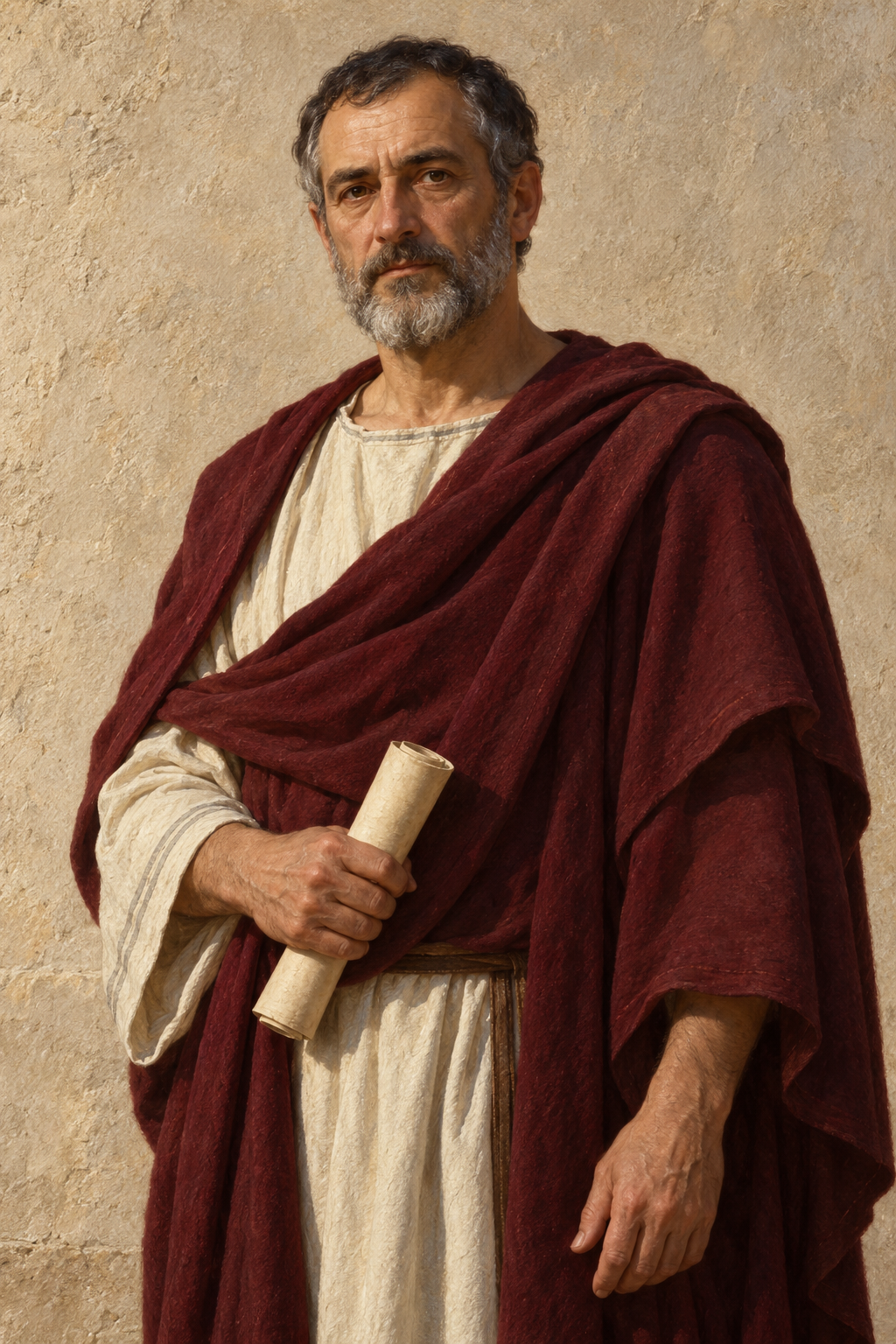
About Florentius of Vienne
Florentius of Vienne is remembered as a bishop of the city in Roman Gaul. The most useful chronological anchor is his name in the subscription list of the Council of Valence, held in 374. A scholarly study of ancient western councils quotes the subscription as identifying Florentius as bishop of the church of Vienne. That is evidence for his office and presence at the council, not for a date of birth, a precise length of service or the circumstances of his death.
The same study observes that his name stands first among the surviving subscriptions. It calls his presiding over the council plausible because Valence belonged to the province of Vienne, but warns that subscription order does not automatically prove who chaired a meeting. That distinction matters: Florentius certainly belonged to the body of bishops attested there, while a claim about his exact function in its proceedings is an inference. The council record itself does not supply a personal portrait of the man.
A later local martyrology remembers Florent among the early bishops of Vienne. In that tradition he is called the eighth bishop, praised for his teaching and said to have died in exile under the emperor Gallienus. The local diocesan history still repeats the exile and martyr account and keeps his commemoration on 3 January. These sources show a continuing regional cult, but the emperor named in the story ruled roughly a century before the documented council of 374. Both dates cannot describe one uninterrupted life.
The French bishops’ Nominis entry places Florent in the fourth century and mentions the Council of Valence, while also repeating the old exile account. It distinguishes him from several other saints named Florent, including bishops of Orange and Cahors. The similarity of names and the contradictory chronology leave open whether a later catalogue conflated separate figures or simply assigned the bishop to the wrong century. There is no basis to give the fourth-century council participant a documented execution date.
Florentius therefore remains in this draft as an attested bishop and a locally venerated saint. His martyr title is recorded as a tradition in the prose, not entered as a historical classification. His death year, death place and burial place remain unset. This restraint does not erase the community’s commemoration; it separates what the council record can show from what a medieval list later claimed. The profile should be reviewed again against a critical edition of the council acts and Ado’s text before a packet is sealed.
Wondering how to weigh the stories and sources? Learn how to read a saint biography.