Biography
Floridus of Citta di Castello
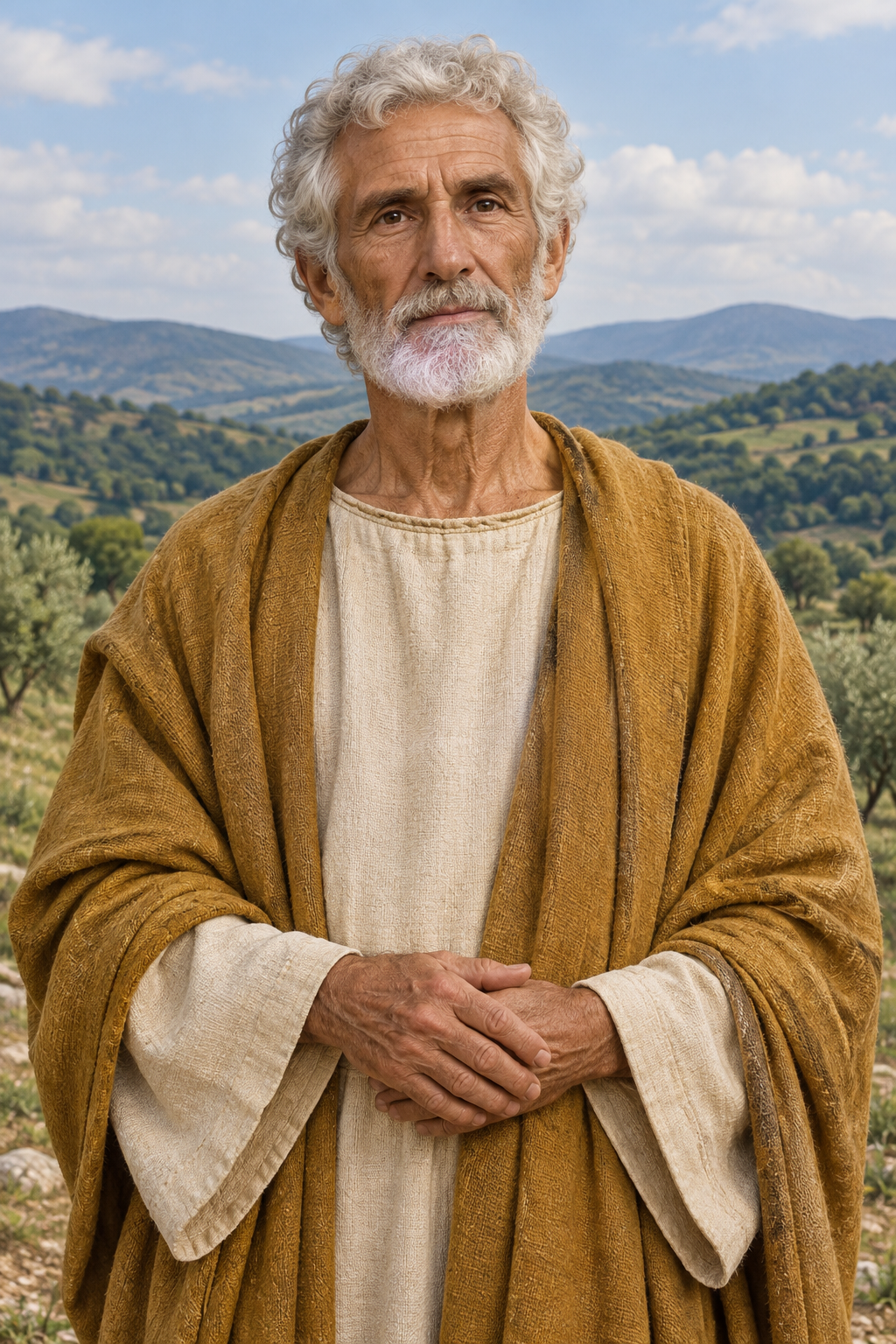
About Floridus of Citta di Castello
Floridus, known locally as Florido, was bishop of Tifernum Tiberinum, present-day Città di Castello. The city remembers him as a leader in rebuilding after Gothic destruction and honors him with Amantius as patron of both the city and its diocese.
Gregory the Great knew Floridus as a bishop whose testimony he trusted. In the Dialogues, Floridus tells him about Herculanus of Perugia, whom he describes as the man who had nurtured him. Gregory also names Floridus as his source for accounts of the priest Amantius’s healing ministry. These passages preserve a personal connection between the bishop and Gregory, although their subject is the holiness of other men.
The diocesan account places Floridus’s birth around 520. It recalls his flight to Perugia with Amantius and Donninus during the fighting around his home city, his ordination by Herculanus, and his return to help a devastated population rebuild. These episodes belong to the received local account of his life; they should not all be treated as details established by Gregory’s brief testimony.
The same diocesan publication identifies the fuller medieval Life as the work of Arnulf, a deacon and cathedral canon at Arezzo, written in the 1070s. That much later account is an important part of Floridus’s remembrance, but its distance from his lifetime calls for caution when reconstructing a detailed chronology.
Local tradition places his death at Pieve de’ Saddi near the end of the sixth century. The diocesan account gives 599. His feast is kept on November 13, together with Amantius, so his public remembrance continues to join the bishop with the priest associated with him.
The cathedral’s history provides another way to trace that remembrance. The municipal account attributes an earlier church dedicated to Lawrence to Floridus’s rebuilding work. It then records the dedication of a later cathedral to Floridus and Amantius in 1032. The patronal dedication belongs to the history of their cult, centuries after their lives; it does not make the later building a surviving work of Floridus himself.
Wondering how to weigh the stories and sources? Learn how to read a saint biography.