Biography
Fortunatus of Todi
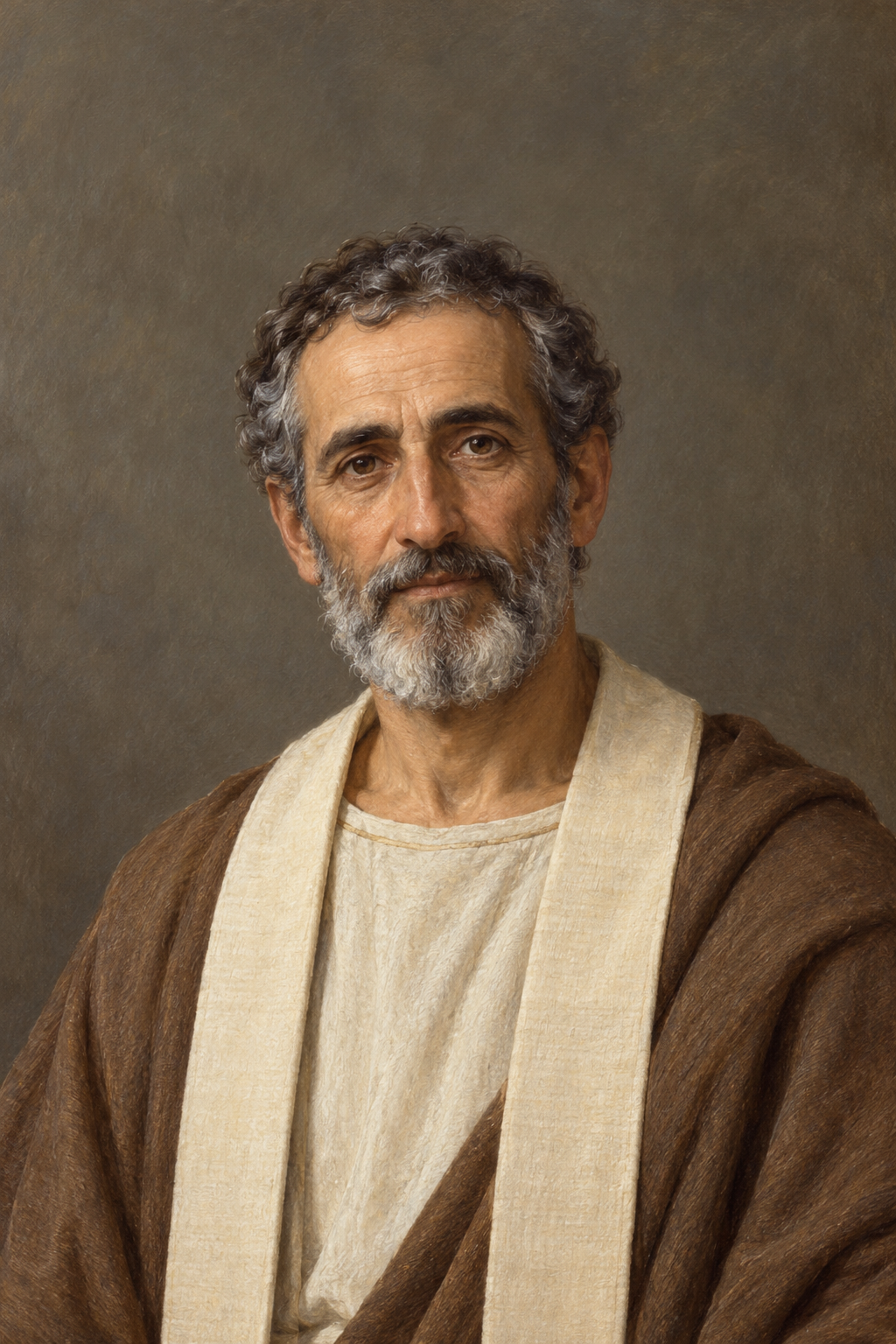
About Fortunatus of Todi
Fortunatus was bishop of Todi during the sixth century, in the period of warfare between the Goths and the Eastern Roman Empire. The Diocese of Orvieto-Todi remembers him as a defender of the city and its people during a time of upheaval. Its liturgical account places his episcopate in the second quarter of that century.
The principal early account of his life survives in Pope Gregory the Great’s Dialogues. As Pietro Burchi explains, Gregory mainly records miracles attributed to the bishop, especially his reputation for helping people believed to be possessed by evil spirits. He also identifies informants who had known Fortunatus: Julian, an official of the Roman church, and an elderly man from Todi. These named connections bring the account closer to the bishop’s lifetime, although it remains a work concerned with sanctity and miracles rather than a complete biography.
Burchi warns against a confusion found in later local histories: this bishop is not Venantius Fortunatus, the poet and bishop of Poitiers. The different chronology prevents the two men from being treated as one person.
Tradition places his burial in the church of San Cassiano, on the city’s high ground. A much larger church bearing Fortunatus’s name subsequently rose there. The Franciscans succeeded the Vallombrosan community at San Fortunato in 1254. Construction of their new church began in 1292. In 1596 Bishop Angelo Cesi arranged the transfer of the bodies of Fortunatus and other locally venerated saints into a new crypt. The later building and its burial arrangements belong to the long history of his veneration, centuries after his episcopate.
His feast is October 14. The diocese explicitly names him as patron of Todi’s city and municipality and of the Diocese of Orvieto-Todi. The civic offering of a votive candle at his tomb remains part of the feast’s observance.
Wondering how to weigh the stories and sources? Learn how to read a saint biography.