Biography
Francis Bae Gwan-gyeom
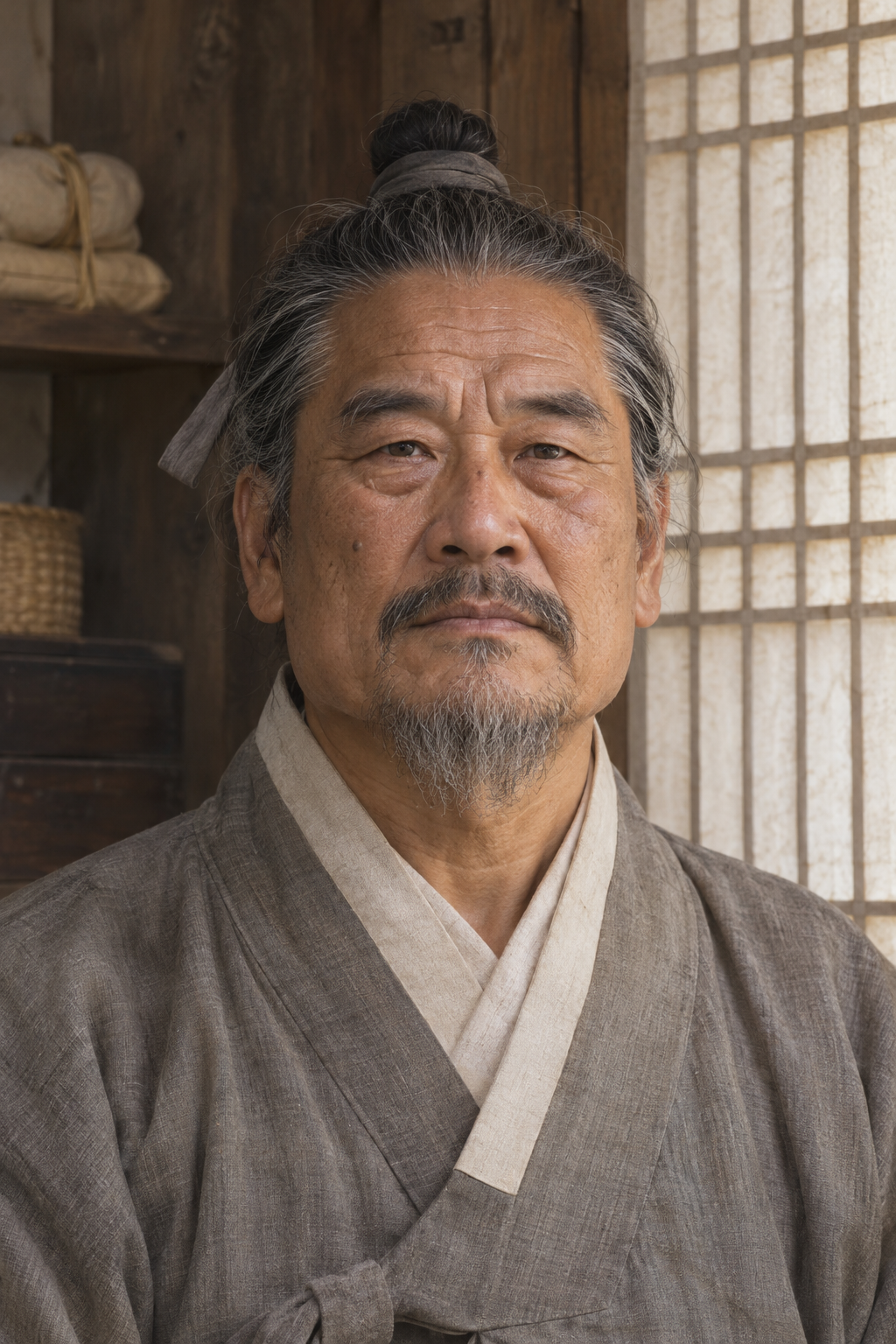
About Francis Bae Gwan-gyeom
Francis Bae Gwan-gyeom came from Jinmok in the Dangjin district of Chungcheong-do. He was also known by the adult name Baleun. Francis became a Catholic soon after the Korean Catholic community was established. His first recorded encounter with persecution ended in renunciation rather than martyrdom: arrested in 1791, he abandoned his profession of faith and was released.
After returning home, he repented and resumed Catholic practice. He left his native district, first moving to the Seosan area and then joining other Catholics at Yangje in Myeoncheon. Together they formed a local Christian community, where Francis again took an active part in religious life.
The older Catholic Encyclopedia entry identifies Yi Byeok as the person through whose teaching Francis entered the Church. It also places the later arrest on the third day of the tenth lunar month of 1798. Yeo Jin-cheon also reports that Francis’s younger brother Matthias participated in the effort to bring the priest into Korea.
Father James Zhou Wen-mo entered Korea at the end of 1794 and began visiting local communities the following year. Hoping to receive him, Francis and the Catholics at Yangje prepared a hall in 1798. Their work was completed during the persecution already spreading through Chungcheong-do. Before the hoped-for visit could be realized, officers arrived at the village with an informer and arrested Francis.
The encyclopedia names that informer as Jo Hwa-jin, who had approached Christians while searching for the priest’s whereabouts. Francis was taken to Hongju. Officials demanded that he identify other believers and disclose the location of Catholic books. He refused despite severe punishment. His captors then sent him onward to the military headquarters at Cheongju, where he was confined with James Won Si-bo and other Catholics. Daveluy records twenty-five days there.
The current official life describes injuries so severe that his flesh was torn and his limbs broken. He continued to resist the demand to abandon his faith. Repeated beatings eventually killed him at Cheongju on January 7, 1800. The notice also gives the received lunar date, the thirteenth day of the twelfth month of 1799, and remembers him as about sixty years old.
Francis’s son, Augustine Bae Cheong-mo, was imprisoned there too. After his father died, he obtained permission from the authorities to bury him. The burial gave Cheong-mo an opportunity to escape.
In May 2002, the Cheongju diocese erected a martyr memorial in the city’s Central Park, following historical research by the Yang-eop Church History Institute. Yeo describes visiting it and records Francis among the four martyrs named there, alongside James Won Si-bo, Francis Kim Sa-jip and Paul O Ban-ji.
More than two centuries later, Francis’s memory remained important to a family of Catholic potters. In a 2019 interview, Bae Yeon-sik said that he had recently learned of his descent through Francis’s son Andrew and had begun visiting historical sites and Church research institutes. His family associated old potter’s-wheel parts with the martyr. These are reported family memories and identifications; the interview does not provide an independently examined genealogy or an archaeological chain of custody for the objects.
The family also described visiting a monument commemorating Francis at the former Cheongju headquarters. Seeing an unknown believer praying there moved them, especially when they felt their ancestor was little remembered in his home district.
Wondering how to weigh the stories and sources? Learn how to read a saint biography.