Biography
Francis Choe Kyong-hwan
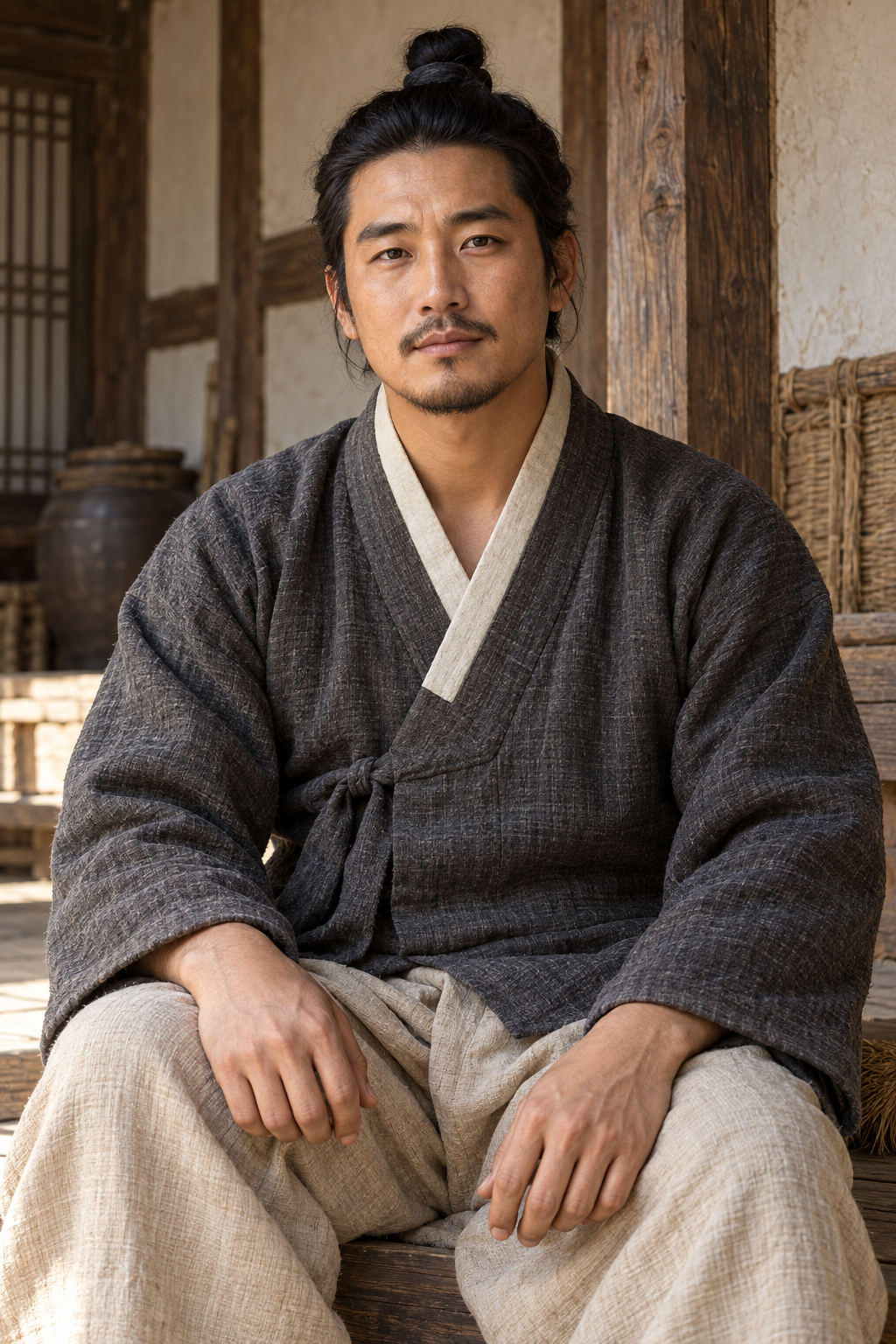
About Francis Choe Kyong-hwan
Francis Choe Kyong-hwan grew up in a Catholic family in Dareaegol and married Maria Yi Seong-rye. They were the parents of Thomas Choe Yang-eop, who later became a priest. The family moved to Seoul and then to other settlements when persecution threatened them. In 1838, Francis settled near Mount Suri and helped develop a Catholic village. Maubant appointed him its catechist. Thomas had already been selected for priestly training and left for Macao in 1836.
Thomas later wrote an account of his parents for his former teacher, Legrégeois. He explained that he combined his own memories with information from relatives, neighbors and people imprisoned with them. The letter describes Francis persuading his extended family to leave their property and seek a community where they could practice their religion.
Thomas recalled his father buying damaged produce so that poorer vendors could still earn something. During shortages, Francis gave neighbors the better fruit from his harvest. He also organized daily prayer and religious reading within the household.
Francis gathered Catholics in his home to teach them and discuss their faith. When the persecution of 1839 left prisoners and their families in need, he collected money to help them. He also worked with fellow villagers to recover and bury the bodies of people executed in Seoul. This work connected the mountain community with Catholics suffering in the city.
Police arrested Francis with his wife, young children and other Catholics who had remained in the village. They were taken to Seoul, where questioning began the following day. His role as catechist and his son’s studies abroad brought particular scrutiny. He refused to abandon his religion despite repeated punishment.
Thomas’ account also recalls Francis reading a Christian book aloud when prison personnel asked him to do so. The letter reports that his imprisonment lasted more than forty days. It gives September 12, 1839, as the day of his death.
Francis died in his cell from the injuries inflicted during his imprisonment. He was later included among the Korean martyrs canonized in 1984. His remembered life includes the work of teaching neighbors, sharing resources and helping people whose families had been disrupted by persecution.
Wondering how to weigh the stories and sources? Learn how to read a saint biography.