Biography
Abibus of Edessa
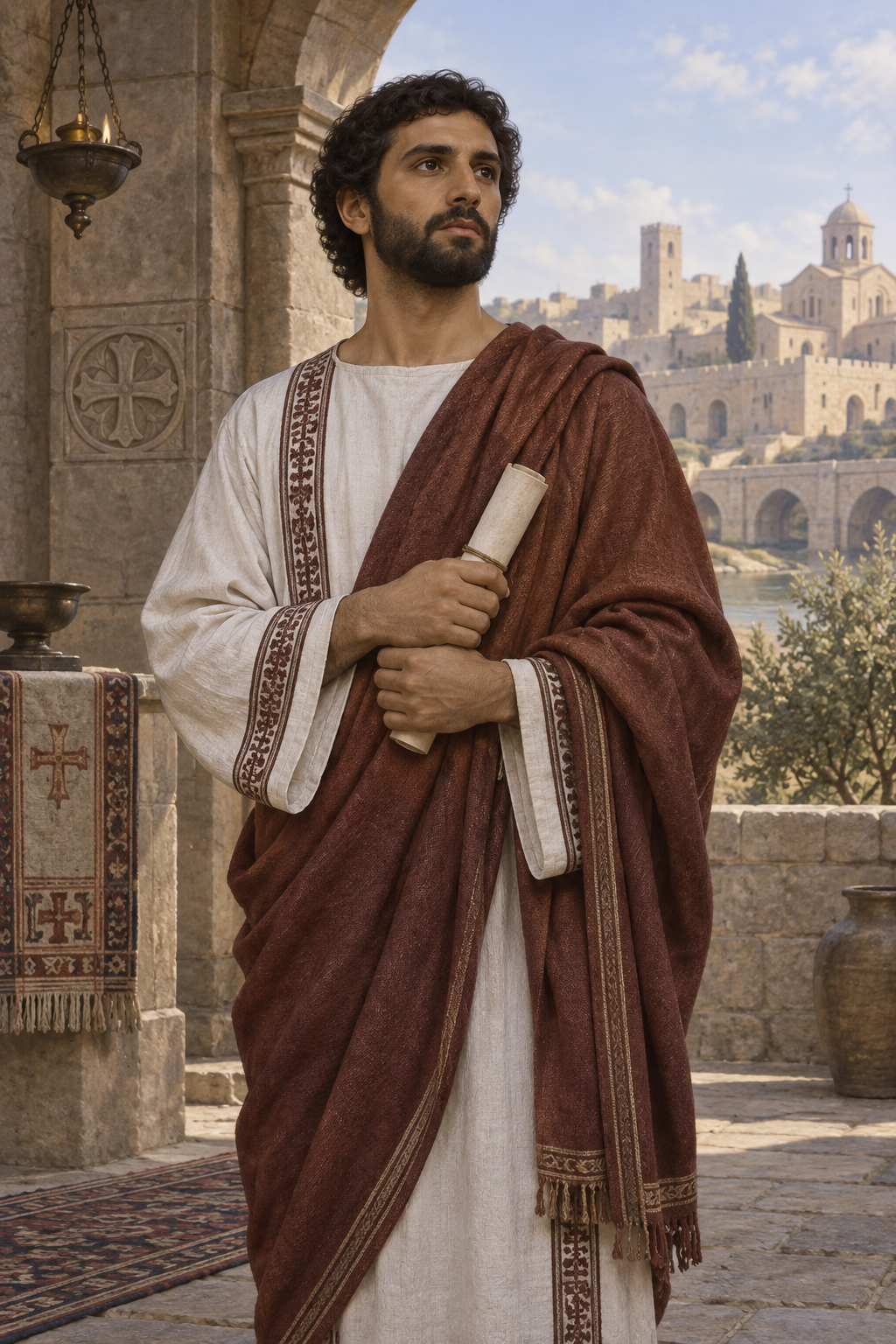
About Abibus of Edessa
The Syriac Martyrdom of Habib begins by setting its story during a persecution under Licinius and naming Cona as bishop of Edessa. It identifies Habib as a deacon from Telzeha, a village in the region, and describes him visiting churches to encourage Christians. Syriaca.org records the text as BHO 367 and attributes it to Theophilos. The act's own eyewitness framing is part of its source history; it is not treated here as independent confirmation of each dialogue.In the narrative, Habib continues his ministry despite an order against Christian worship. The local authorities arrest people close to him, and he returns to Edessa rather than remain in hiding. The text presents a dialogue in which he refuses to sacrifice and is sentenced to execution by fire. These events are reported as the Syriac author's account; no later embellishments are added.The text gives an internal date using the Seleucid era and named consuls, but the later reference article explains that the resulting conversion conflicts with the stated political chronology. The account does not establish a specific death year or calendar day. A November 15 commemoration associates Habib with Gurias and Samonas, while other Syriac calendars assign him a separate date.Abibus's historical outline is best stated modestly: a deacon remembered by an early Syriac martyr narrative, active in the Edessa region during a reported persecution. The source records local Christian memory and literary presentation; the disputed chronology counsels against adding an exact death year. The Syriac account places his ministry and trial within the Edessa region.
Wondering how to weigh the stories and sources? Learn how to read a saint biography.