Biography
Francis Kim Hui-seong
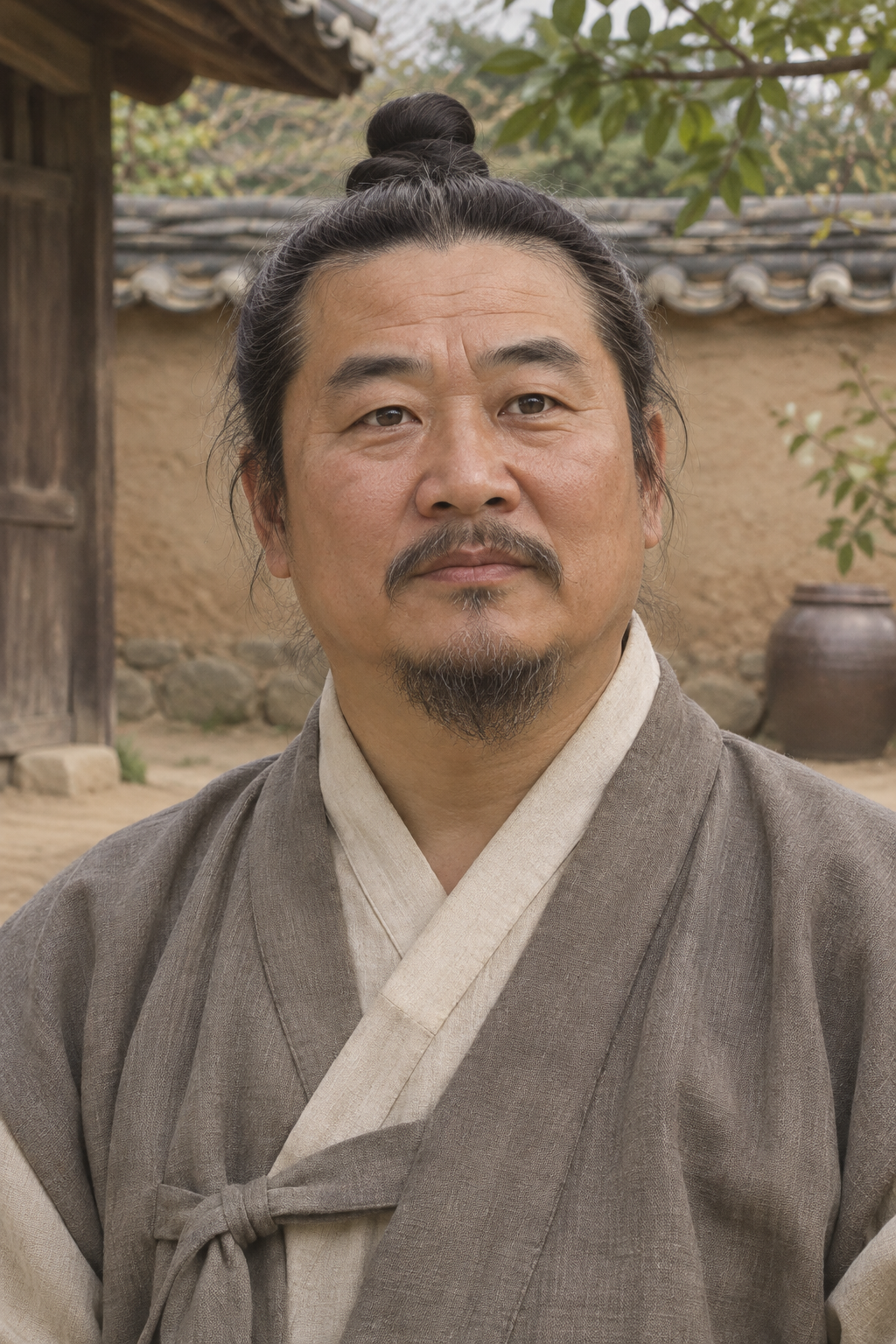
About Francis Kim Hui-seong
Francis Kim Hui-seong was born in 1765 at Yeosaul in Yesan, Chungcheong-do, into a prosperous jungin family. Catholics also knew him as Gyeong-seo. His father was Andrew Kim Gwang-ok, who would be executed for his faith in 1801. Francis’s Catholic life began through the instruction he received at home.
As a child Francis had applied himself to his studies. After his father became a Catholic, he learned the catechism from him and followed his teaching. His education enabled him to understand religious texts and explain them to his family and neighbours. Cha Ki-jin describes these household lessons as part of his practice of the faith, before the family was driven away from its earlier home.
His father had been a local headman and learned Catholic doctrine from Louis Gonzaga Yi Jon-chang. Yeo Jin-cheon describes Andrew gathering believers to pray and study, without hiding their meetings from his non-Catholic neighbours. Francis thus belonged to a household in which religious instruction extended beyond the immediate family.
The persecution of 1801 ended that life in Yesan. After Andrew’s execution, Francis left the family property behind and moved into the mountains with his mother, his wife and his son Mun-ak. Kang Jong-hun identifies their refuge as Godeunjeong near Ilwolsan in Yeongyang. Other Catholic families, including that of Kim Gwang-bok, lived there too. Francis’s decision involved several generations: the mother whose husband had been killed, the couple raising their child, and the son who would later be asked to remain behind and care for them.
Oh Se-taek describes Francis turning from his earlier Confucian learning to concentrate on Catholic doctrine. Prayer and charity became regular parts of his life. The family’s withdrawal to the mountains did not mean giving up these commitments. Francis practised self-denial and worked to overcome his impatient temper; the received accounts describe a gradual change towards gentleness and perseverance.
Life at Godeunjeong was materially poor. Francis’s family lived on such food as roots and acorns. He continued reading Catholic books and explaining their contents to those at home. Cha Ki-jin also records his strict observance of the Lenten fast and his efforts to discipline his temper. These practices belonged to the years between the loss of his father and his own arrest. He taught in the household while trying to live by the religion he had first learned there.
When officers came to Godeunjeong in 1815, Francis was on the mountain. He heard them calling him down and told Mun-ak not to accompany him. His son was to stay and look after the family, especially his grandmother. Francis then went down to meet the officers and the informer who had brought them.
The Daegu commission recalls Francis offering food to those who had come to arrest him. Before leaving, he said farewell to his mother and consoled her. He asked his wife to care for her mother-in-law and to bring up the children in the faith. The different requests gave each person a responsibility after his departure. His willingness to go with the officers did not lead him to take his son into custody as well: his son’s responsibility was to remain with the people who depended on him.
Francis was taken to Andong for interrogation and punishment. He refused to abandon Catholicism. Officials then sent him to Daegu with other prisoners, including Andrew Kim Jong-han and the brothers Peter Ko Seong-dae and Joseph Ko Seong-un. Further punishment followed at the provincial administration. The encyclopedia records his continued refusal to renounce the faith and the long imprisonment that preceded his execution.
Kang’s study of Francis’s fate draws attention to the delay between arrest and execution. The provincial governor repeatedly sought permission from the royal court to carry out the death sentences, but the proceedings continued for more than a year. Francis remained in prison while these requests went back and forth. The distinction matters to his story: local officials could question and punish him, while the final authorization for his execution still had to come from the court.
The older encyclopedia dates his execution to December 26, 1816. Oh Se-taek instead gives December 19, the date retained here.
Francis was beheaded at Daegu with his companions. He was fifty-one. His body was buried near the execution ground. On March 2 of the following year, relatives and Catholics recovered the remains and arranged another burial.
The mountain settlement associated with Francis is remembered at Godeunjeong. A diocesan account describes traces of old houses, heating stones, chimneys and a spring in the valley between today’s Bonghwa and Yeongyang districts. It treats the identification of the village site as tentative, and does not identify a particular building as Francis’s home. The Diocese of Andong acquired nearby land in the valley for a Catholic shrine, preserving the connection between his life and the Catholic settlement.
Wondering how to weigh the stories and sources? Learn how to read a saint biography.