Biography
Francis Massabki
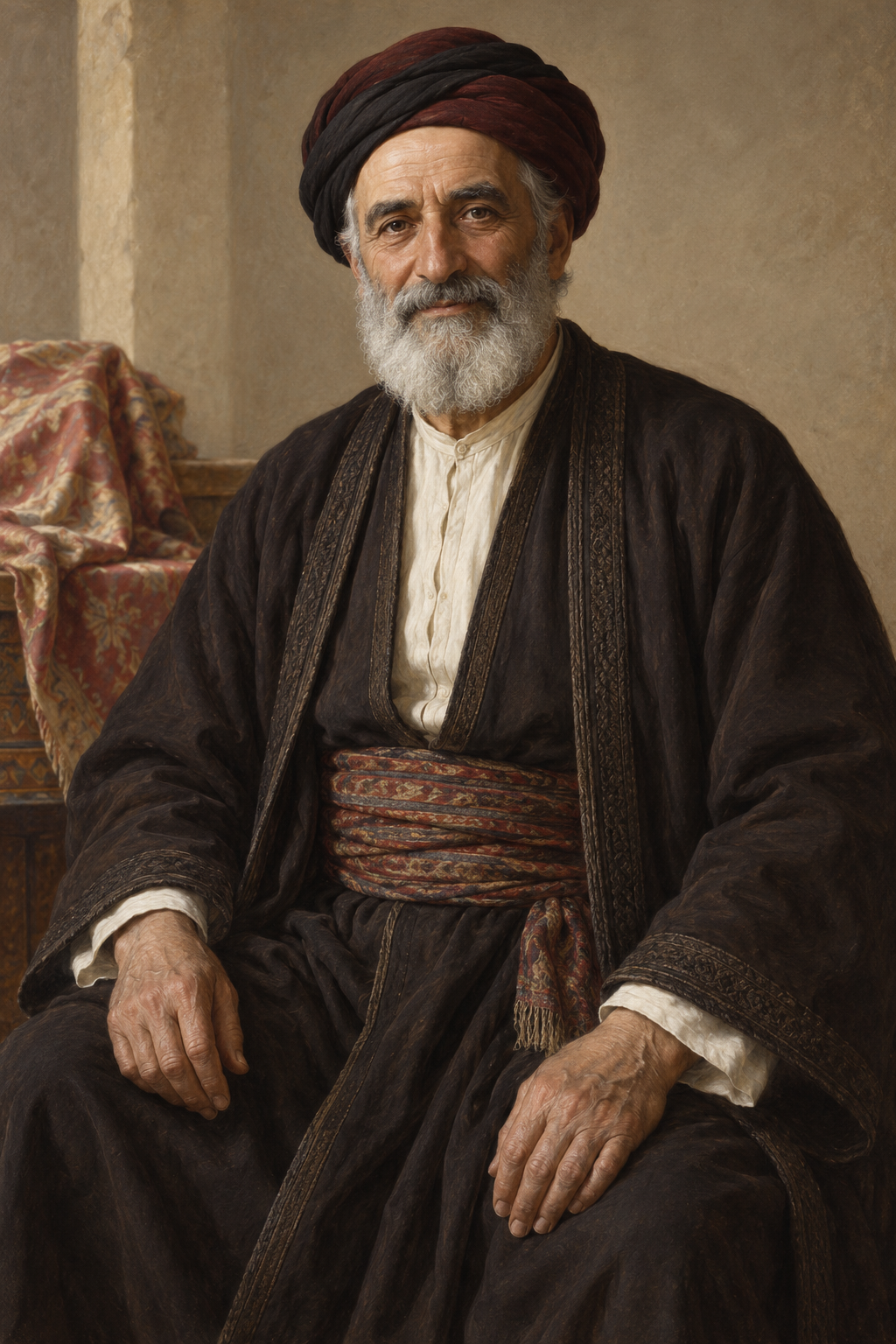
About Francis Massabki
Francis Massabki was a Maronite Catholic layman and silk merchant in Damascus. The New Catholic Encyclopedia describes him as a native of the city, over seventy at his death, married and the father of a large family. His brothers Abdel Moati and Raphael also belonged to the Maronite community. They were not Franciscan friars: the three brothers were lay members of a larger group of eleven martyrs.
In July 1860, anti-Christian violence reached Damascus during a wider conflict in Syria and Lebanon. The brothers sought refuge with the Franciscans at the convent of Saint Paul. An account from the Order of Friars Minor says attackers entered the house and demanded that those inside renounce Christianity. The eleven refused and were killed during the night of 9–10 July. Francis was remembered as a silk merchant whose ordinary work and family life formed part of this witness.
A New Catholic Encyclopedia account says a man offered to spare Francis and his brothers if they accepted Islam, and adds a dramatic exchange involving a debt. The broader refusal is also in the Franciscan account, while the dialogue and financial detail come through a later narrative. Their deaths took place amid a massacre of many other Christians; their formal cause did not make them the only victims. The group includes eight Franciscan religious, seven Spanish and one Austrian, and the three Maronite brothers.
Pius XI beatified the eleven in 1926. Francis and his brothers were canonized with the eight friars on 20 October 2024, as recorded by the Holy See. The Maronite Eparchy of Australia lists 10 July as their feast. Sources differ in how they label the start of the night of violence, but agree that the killings happened across 9–10 July 1860. The profile records 10 July as the traditional feast and death date, with that overnight qualification visible here.
Wondering how to weigh the stories and sources? Learn how to read a saint biography.