Biography
Francis Xavier Hong Gyo-man
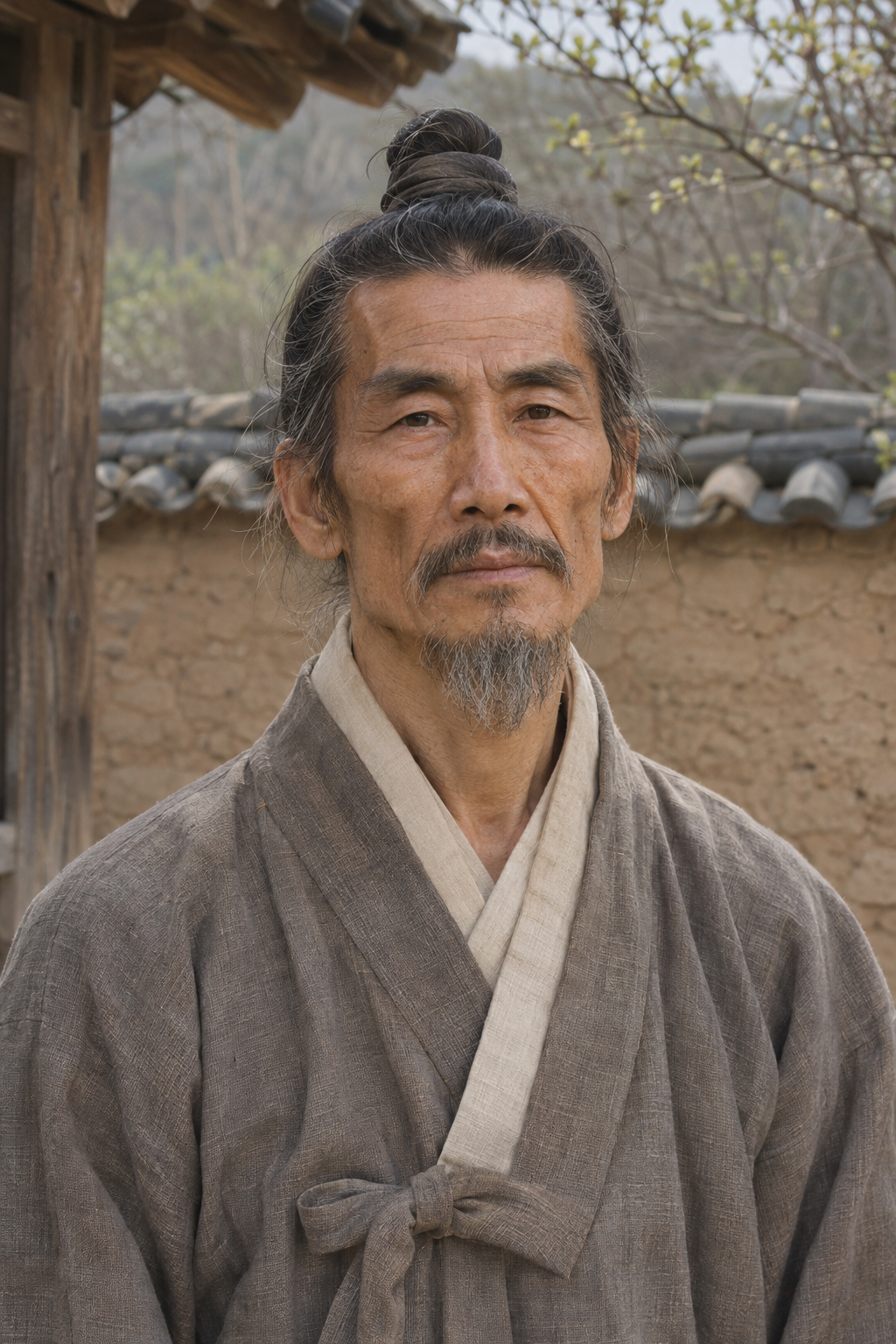
About Francis Xavier Hong Gyo-man
Francis Xavier Hong Gyo-man was a Catholic teacher in Pocheon, born in Seoul in 1738. His son Leo Hong In became a Catholic, and his daughter married Charles Jeong Cheol-sang, the son of Augustine Jeong Yak-jong.
His courtesy name was Dogyeong, and his clan was Namyang Hong. The historical dictionary identifies his father as the official Hong Hoe and records official service by his paternal grandfather Hong Sang-bin and great-grandfather Hong Gyeong-ryeom. Hong himself passed the jinsa examination in 1777. His elder brother Hong Ju-man had served as a minister.
The date of his move to Pocheon is less secure than the examination date. Historian Jeong Min points to a 1774 appeal for rebuilding Yongyeon Seowon whose list of signatories begins with Hong’s name. Jeong uses it to challenge the older account that placed Hong’s settlement there after the 1777 examination.
The Church’s account places his first encounter with Catholic teaching at the home of his cousin Kwon Il-sin in Yanggeun. Hong visited there but did not immediately accept what he heard. His son subsequently explained the teaching more fully, and the father embraced it. He later sought out the Chinese priest James Zhou Wen-mo, received baptism and attended Mass. Leo remembered learning from Francis. Jeong Min therefore leaves open which of the two first brought the faith to the other. The father’s eventual baptism is more securely attested than the order in which they began to believe. His hesitation, in Cha’s account, arose from differences between Catholic teaching and the moral and scholarly learning in which he had long been trained.
Cha Gi-jin describes the change in Hong’s daily company after baptism. He withdrew from the diversions and acquaintances that had occupied him before, accepting the criticism this brought. Father and son taught neighbors and relatives, encouraged Catholics who had ceased practicing, and spent nights instructing the believers gathered at their home. Cha presents the growth of the local community through these repeated household meetings, not through the arrival of a resident foreign missionary.
Hong also made room for people unable to read the religious writings for themselves. He invited them into his house and taught them. He also offered instruction to fellow Catholics and people who had not yet accepted the religion. The encyclopedia associates his work with the spread of Catholicism throughout the Pocheon area. Study and teaching continued alongside his participation in the worship Zhou provided.
The danger in 1801 reached him through religious books. A chest belonging to Augustine Jeong Yak-jong, his relative by marriage, had been hidden at Hong’s house. Its discovery while being moved exposed his involvement. Hong and his son left to hide elsewhere, but returned after deciding they could not remain fugitives indefinitely. The received narratives differ on whether officers caught them on the way home or after their return; both describe a brief flight followed by arrest.
Yeo Jin-cheon reproduces Hong’s interrogation response: careful reading had convinced him of Jesus’ incarnation. He compared the teaching with the Chinese classics and refused to call it false simply because the interrogators required that answer.
Hong was taken to the State Tribunal in Seoul. The account of his questioning remembers him defending Catholicism as true teaching despite threats and punishment. He would not accept the demand to call the religion evil. After the authorities pronounced sentence, he was led outside Seoul’s Small West Gate with Augustine Jeong Yak-jong and Luke Hong Nak-min. He was beheaded on April 8, 1801. His son’s imprisonment and execution belonged to a separate case in Pocheon.
Recognition of the father’s work broadened the local church’s remembrance of this family. At a symposium on July 20, 2014, in Pocheon, Cho Gwang examined the two men together using Church histories and government records. A contemporary report explains that Hong Gyo-man had chiefly been commemorated in Seoul, where he died. The study prompted plans to honor him in the Chuncheon diocese as well, alongside his son, for their shared work in Pocheon. The diocese planned to commemorate both men at its September 27 thanksgiving Mass and martyrs’ gathering, extending its tribute beyond the son who had died locally. Cho interpreted Hong’s faith as developing from an early Confucian approach to a more explicitly Christ-centered belief. The symposium report describes him regarding faith’s value and joy as greater than the fear of dying. Cho presented this development alongside the son’s, considering their shared beliefs as well as their blood relationship.
Oh Se-taek’s visit that summer found a sign in the Pocheon parish grounds introducing both Hong In and his father. The parish was preparing pilgrimage material and prayers while its history institute brought the family’s work before a wider audience. This memorial landscape distinguishes the two men’s places of death: the father had been taken to Seoul, while the son’s final imprisonment and execution were remembered locally. Their common title, apostles of Pocheon, refers to the place where they had taught.
Wondering how to weigh the stories and sources? Learn how to read a saint biography.