Biography
Galdino of Milan
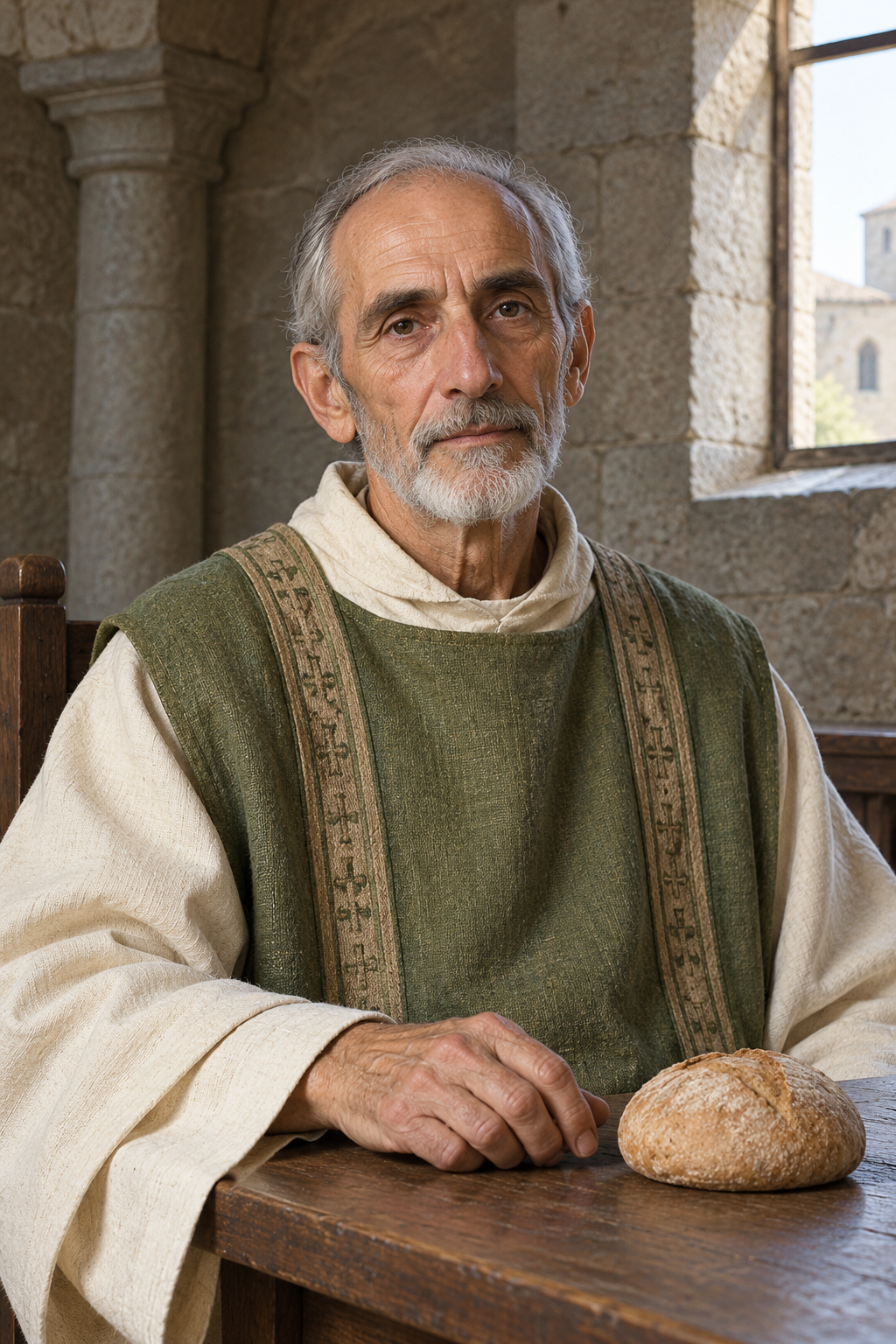
About Galdino of Milan
Galdino della Sala served the Church of Milan through exile, political conflict and reconstruction. He was probably born in Milan early in the twelfth century; his parents and education are not securely known. Documents identify him as chancellor from 1134. He later became archdeacon and supported Pope Alexander III against the imperial-backed schism.
When Archbishop Oberto left Milan before its destruction in 1162, Galdino accompanied him into exile. Alexander made him cardinal priest of Santa Sabina in 1165 and consecrated him archbishop of Milan on April 18, 1166, after Oberto’s death.
His early biography describes a difficult return. Traveling by sea to Venice in pilgrim’s clothing to avoid enemies, he eventually approached Milan in episcopal dress. The account places his reception at the basilica of Ambrose in September 1167 and presents the homecoming as a moment of relief for clergy and citizens.
Galdino helped rebuild the city and reorganize its Church. He supported the Lombard League and removed bishops who backed the rival papal claimants. His work joined pastoral government to the struggle over imperial and papal authority.
His authority also met resistance within Milan. When he tried to strengthen control over the lesser clergy’s leadership, a dispute led to a 1173 compromise: eight representatives and the archbishop would elect their leader with equal votes. Some imperial sympathizers nevertheless remained in his circle. His earliest veneration was uneven, with cathedral clergy honoring him while the lesser clergy long withheld that recognition.
A surviving 1173 agreement shows another side of his administration. The abbots of Morimondo and San Celso brought a dispute over fields and territorial boundaries before him. Galdino commissioned his assessor Eriprando to investigate the land. After consulting local inhabitants and reporting to the archbishop, Eriprando announced the settlement. The document survives through contemporary copies and records practical judicial work alongside the larger political conflicts.
Care for people in poverty was central to the memory of his ministry. His biographer stresses that he helped those who were ashamed to ask for alms, anticipating their needs rather than waiting for a public request. The same account describes him as approachable with his household, while firm in defending the rights of his Church.
Bread distributed through his charitable work became associated with his name. He also visited the diocese to support clergy and congregations.
His final preaching was directed against the Cathars. The early Life says that, already weak, he asked another cleric to celebrate Mass at Santa Tecla, then preached himself. After finishing, he collapsed in the pulpit and died as the service concluded.
He died on April 18, 1176; his remains are preserved in Milan’s cathedral.
Church historian Marco Navoni describes Galdino as a defender of Milan and a father to people in need. The Milanese chose him as a co-patron of the diocese alongside Ambrose, although the later prominence of Charles Borromeo partly overshadowed his memory.
Wondering how to weigh the stories and sources? Learn how to read a saint biography.