Biography
Gall I of Clermont
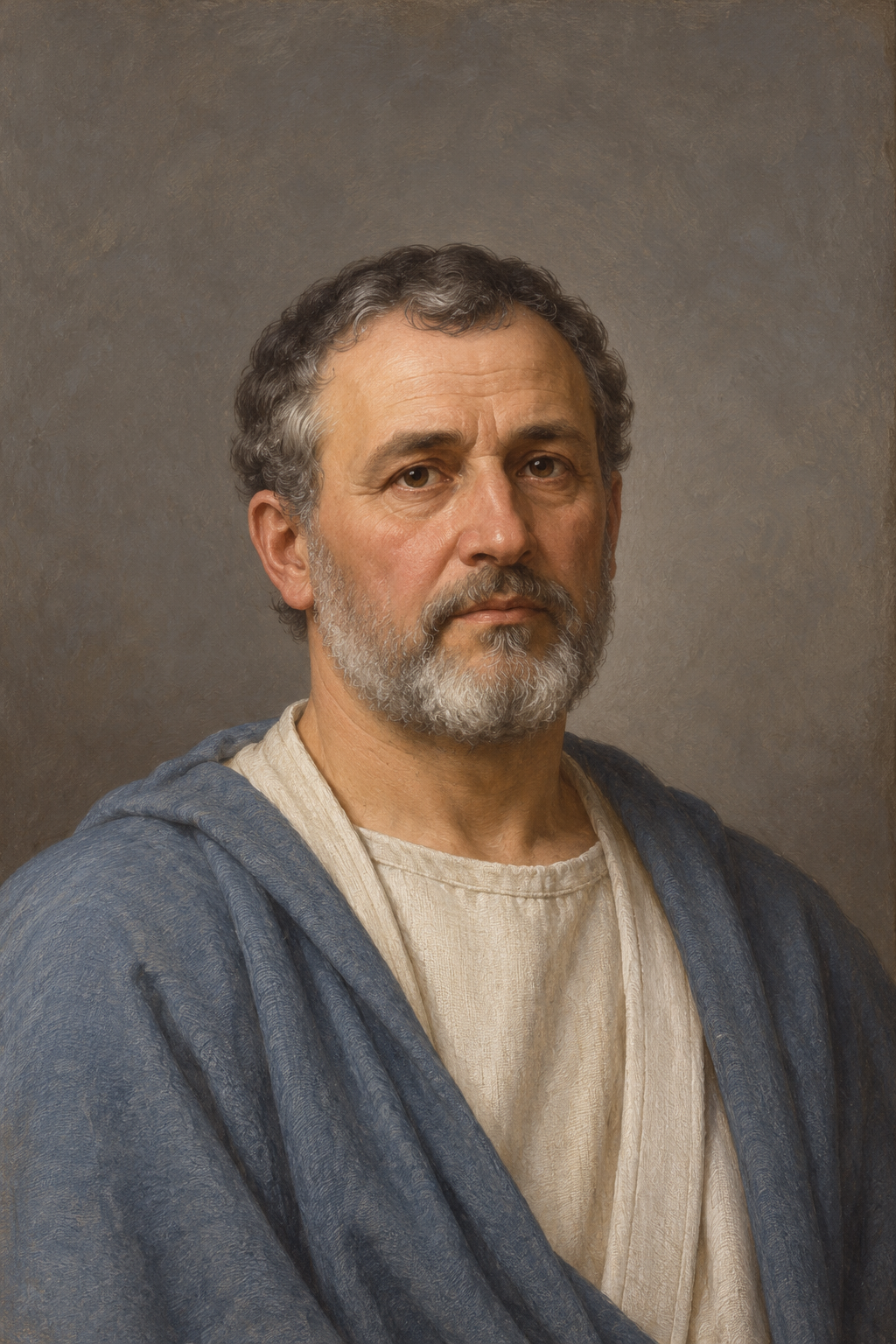
About Gall I of Clermont
Gall I was a sixth-century bishop of Clermont and an uncle of Gregory of Tours, whose writings preserve much of his story. Born into a wealthy Gallo-Roman family, he entered the monastery of Cournon. His singing attracted Bishop Quintian’s attention and later brought him to the court of King Theodoric. He succeeded Quintian in the 526–527 period.
Gregory describes a young man resisting the marriage his father intended for him. The abbot at Cournon sought the father’s consent before receiving Gall. The account also includes a troubling episode at Cologne: Gall set fire to a non-Christian temple, fled from its worshippers and found protection at the royal court. Gregory praises his zeal; the destruction of another community’s sanctuary remains part of the story.
Royal support also mattered in his appointment as bishop. Gregory says Theodoric chose Gall, who was ordained priest before his episcopal consecration. He contrasts this appointment with clerics offering gifts to obtain the office. Gall later joked that his only payment had been a small gift to the cook who prepared the celebratory feast.
Gall took part, personally or through representatives, in several councils at Orléans. A council also met at Clermont in 535 during his episcopate. His ministry therefore belongs to the organization of the Frankish church as well as to the stories of personal holiness preserved by his nephew.
The Clermont council addressed ecclesiastical discipline and the use of princely influence in episcopal appointments. Its rules also opposed marriages between Christians and Jews. These restrictions form part of the council’s historical setting; they should not be omitted from an account that discusses its work.
Gregory portrays Gall as patient under provocation and credits him with protecting Clermont from fire and epidemic. He tells of an angelic assurance during plague and of a penitential procession to Julian’s shrine at Brioude. These are claims of the saint’s hagiography, not independently verified explanations of disease.
His local memory includes invocation against plague and patronage of Langeac, Antoingt, Saint-Gal-sur-Sioule and Beauregard-Vendon. Clermont Cathedral also preserves an enameled episcopal staff traditionally called Gall’s staff; the name alone does not establish that he personally used it.
Modern scholarly accounts place his death in 551. Clermont Cathedral lists his local feast on July 1.
The French bishops’ Nominis calendar commemorates him on May 14. The older Catholic Encyclopedia records July 3. Gall I must also be distinguished from a later bishop of Clermont named Gall, who lived in the seventh century.
Wondering how to weigh the stories and sources? Learn how to read a saint biography.