Biography
Galla of Rome
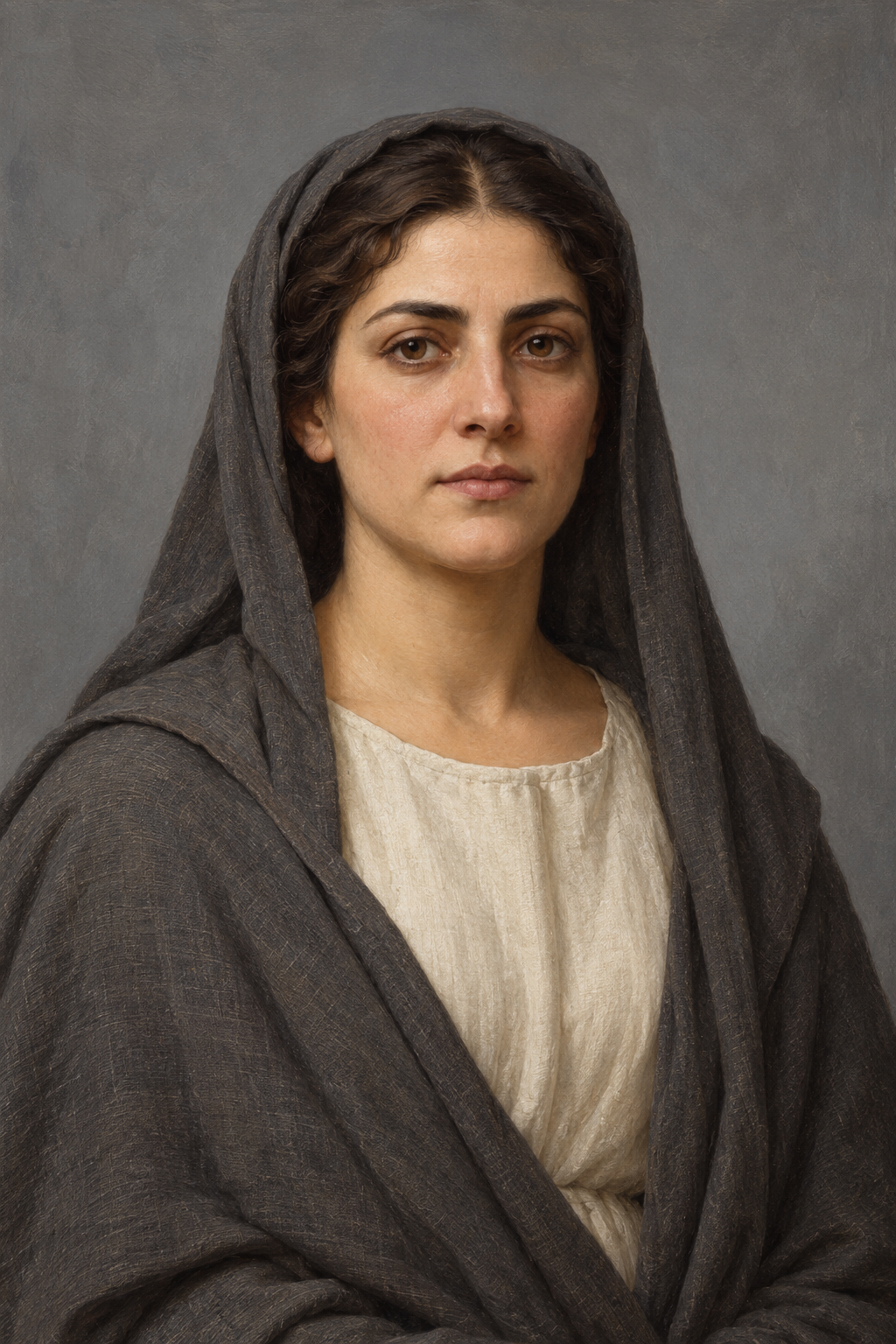
About Galla of Rome
Galla of Rome was a widow who became a nun in the sixth century. She belonged to a prominent Roman family: her father was the consul Symmachus. Her religious life unfolded near the Vatican, where she is remembered for prayer, penitence and charity.
Gregory the Great recounts her story in his Dialogues, drawing on reports he considered trustworthy. He says that her husband died within a year of their marriage. Though young and wealthy, she chose not to marry again and entered a community beside Saint Peter’s church.
The account includes a story about physicians warning that she would grow a beard if she remained unmarried. Gregory says this happened and presents her indifference to appearance as a sign of devotion. This is part of his religious narrative, not a medical explanation.
Gregory also describes her final illness and a vision of Saint Peter. Galla asks that her friend Benedicta accompany her, and the narrative gives the women’s deaths a prophetic sequence. Gregory says the community continued to preserve this memory. The vision belongs to the tradition he records.
Galla’s choice also drew encouragement from Fulgentius of Ruspe. Vatican News identifies her as the recipient of his letter concerning widowhood, written while he was in exile in Sardinia. A separate Roman tradition associates her home with hospitality for poor people and pilgrims. The parish of Santa Maria in Portico recounts a miraculous appearance of a Marian image while food was being prepared for the poor. This is a devotional origin story for the image’s cult.
Her name remains part of Rome’s parish life. The Diocese of Rome records that the parish of Santa Galla was established in 1940 and named to renew her memory. Its historical account connects her with the family of Boethius through her sister Rusticiana.
Vatican News commemorates her on April 6. October 5 also appears as her feast in the Treccani reference entry.
Wondering how to weigh the stories and sources? Learn how to read a saint biography.