Biography
Gaudentius of Brescia
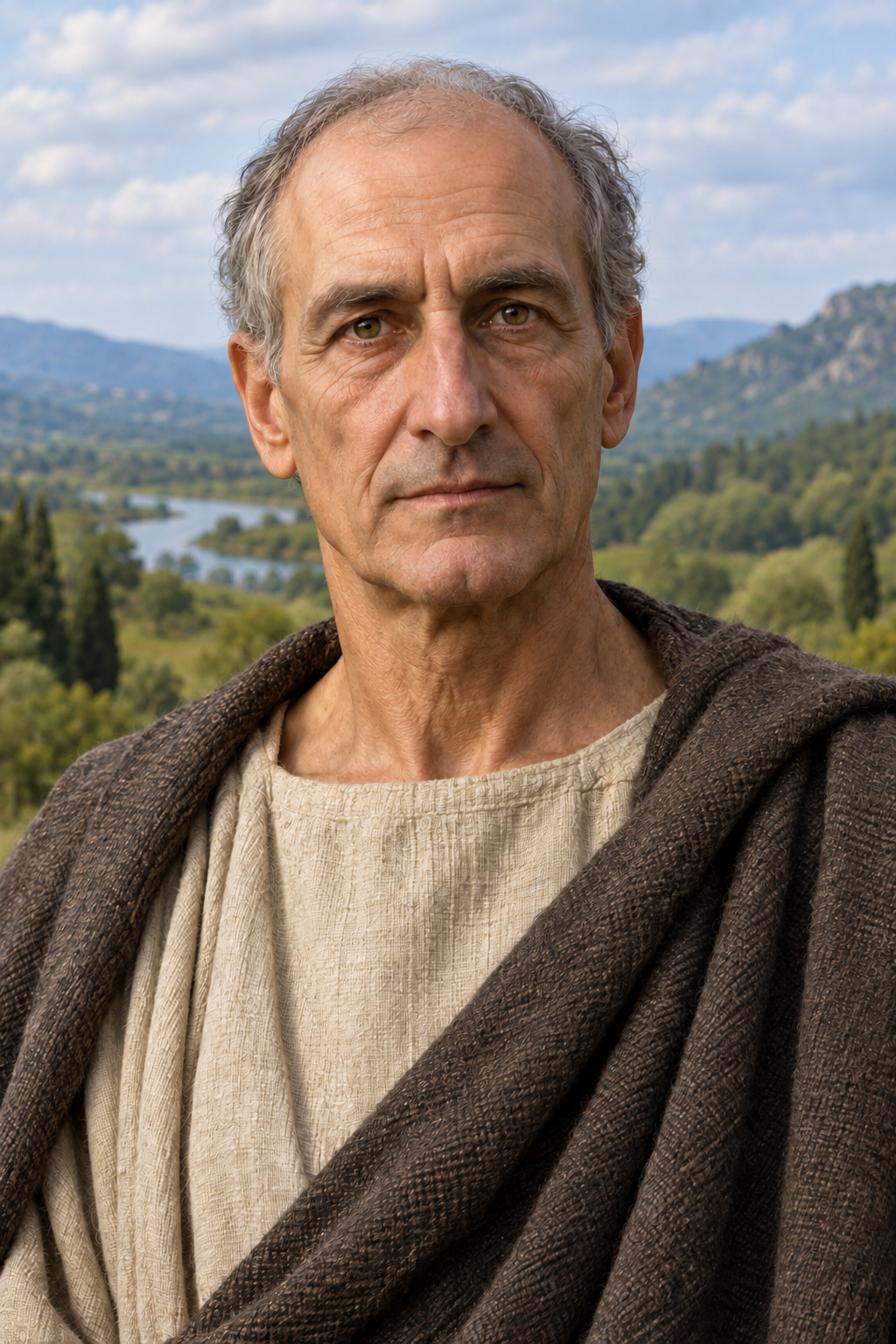
About Gaudentius of Brescia
Gaudentius served the church of Brescia as a bishop and preacher at the turn of the fifth century. His election came before 397, when he was still young, and Ambrose encouraged him to accept the responsibility. He traveled to Palestine as a pilgrim and later became involved in the defense of John Chrysostom. About twenty of his sermons survive.
His early life is less securely known than his ministry. He was probably born in Brescia, where he was already known as a young man. The older scholarly account in the Dictionary of Christian Biography cautions that the details are uncertain. It also questions whether Paul, a deacon whom Gaudentius addressed as a brother, was necessarily his biological brother: language of kinship could also describe spiritual relationships. These uncertainties leave his family background largely out of view.
When Philastrius died, Gaudentius was away in the East. According to John Chapman’s account, the people of Brescia pledged to accept no other successor. Ambrose and neighboring bishops pressed him to return, while the bishops among whom he was staying threatened to withhold Communion if he refused. His return therefore brought a reluctant candidate into an office that others had insisted he take. The address he delivered at his consecration survives, with Ambrose among its listeners.
In that address, Gaudentius described himself as too young and insufficiently prepared. He explained that the letters sent to him had made further resistance impossible. He honored Philastrius’s teaching and asked Ambrose to speak after him. His first recorded words as bishop thus preserve both his hesitation and his dependence on more experienced church leaders.
Preaching became central to his work. In his preface to Benivolus, Gaudentius explains why some sermons reached written form. Illness had kept Benivolus from the Easter services, and he asked for the teaching he had missed. Gaudentius agreed to reconstruct it from memory. He rejected hurried, unauthorized copies, fearing that other people’s errors might circulate under his name. He also reassured his sick reader that bodily illness was not always punishment for sin.
The surviving collection extends beyond those Easter addresses. It includes interpretations of Gospel passages, a discourse on the Maccabean martyrs and letters explaining difficult biblical texts. The Dictionary of Christian Biography describes a teacher attentive to differences between Greek and Latin readings. His sermons also preserve concrete concerns from his community: beggars at church doors, anxiety over invasions and landowners leaving laborers dependent on church support. These details connect his scriptural teaching with the responsibilities and pressures of ordinary life.
Another sermon marks the dedication of the basilica he called the Assembly of Saints. He thanked God for the relics entrusted to him and for making the building possible. He recalled receiving relics of the Forty Martyrs from two women who led a community of virgins at Caesarea and were nieces of Basil.
Gaudentius also encouraged the circulation of Christian literature across languages. Rufinus addressed the preface to his Latin translation of the Recognitions to him. Rufinus explained that Sylvia had first requested the translation and that Gaudentius had renewed the request after her death. He praised the bishop’s preaching as worthy of preservation for later readers. Because Gaudentius had read the work in Greek, Rufinus could explain his choices to someone familiar with the original: the Greek versions differed, some difficult passages were omitted, and elsewhere he sought fidelity even at the expense of elegance. The dedication records an active reader helping bring a Greek work to a Latin audience.
His support for John Chrysostom involved a dangerous journey. Palladius names Gaudentius among the delegates carrying letters from Pope Innocent and Italian bishops to the eastern court. The delegation sought a hearing for John’s case. In the account Palladius preserves, the travelers were detained at Athens and sent onward by sea, spending three days without food. Near Constantinople they were confined at Athyra in Thrace. Officials demanded their letters, and force was used when they refused to surrender credentials intended for the emperor.
The envoys reported an offer of money if they would recognize Atticus, John’s replacement, and abandon the case. They refused. Eventually they were put aboard another vessel, reached Lampsacus and returned to Italy. Palladius’s narrative is openly sympathetic to John; it preserves the delegates’ account of a failed mission and their treatment, rather than a successful intervention. Their return after four months brought no resolution of the dispute.
The end of Gaudentius’s life is not precisely dated. Treccani places his death after 406.
Nominis retains the traditional date around 410 and lists a local Catholic commemoration on October 25.
Chapman records his burial at the church of Saint John the Baptist in Brescia, associated with the site of his Assembly of Saints. He also notes his presence in paintings by Moretto, Savoldo and Romanino. Alongside that later remembrance, the survival of his sermons preserves a more immediate legacy: the voice of a bishop whose spoken teaching became a written resource for people unable to hear him in person.
Wondering how to weigh the stories and sources? Learn how to read a saint biography.