Biography
Gaudiosus of Naples
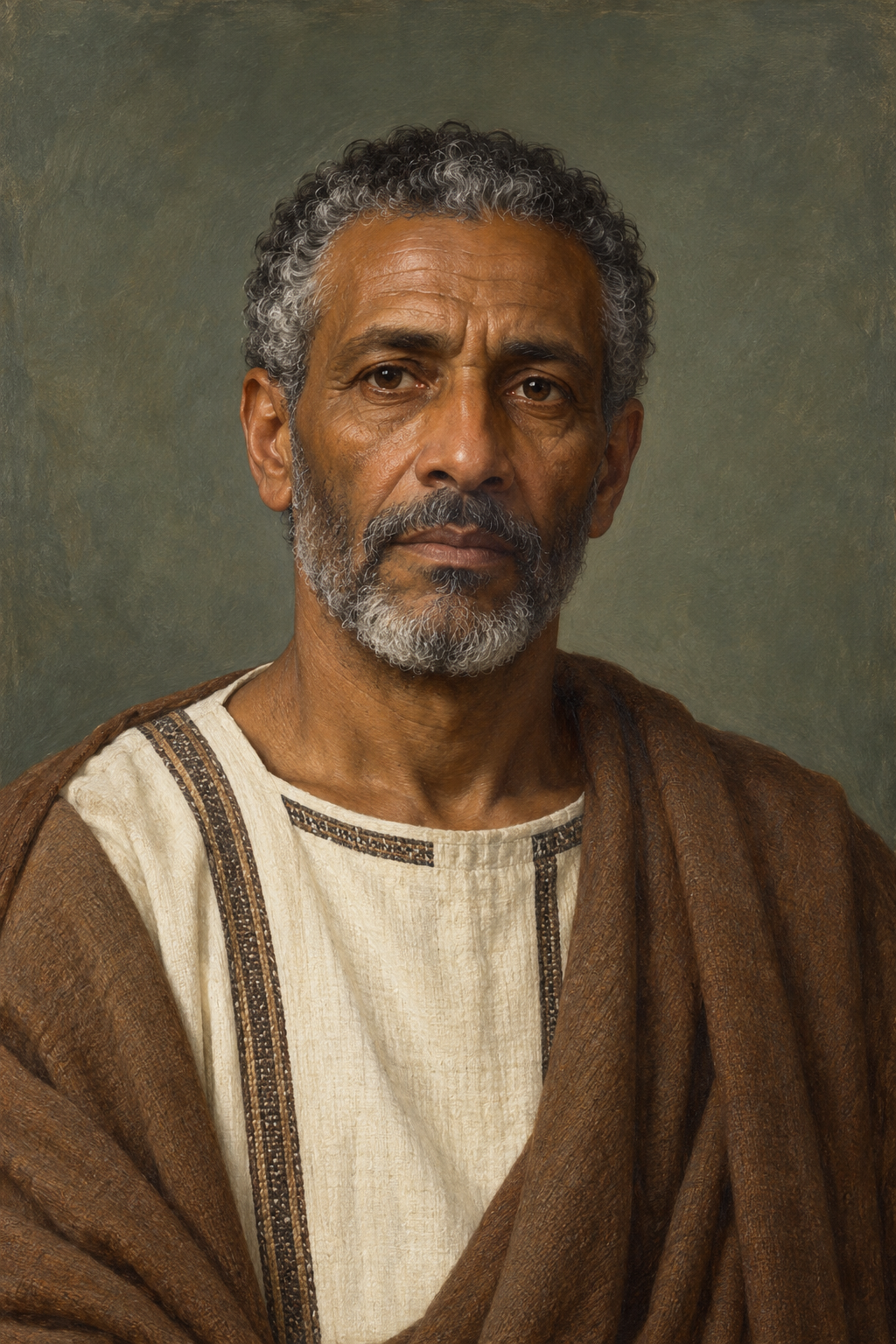
About Gaudiosus of Naples
Gaudiosus of Naples was an African bishop whose memory became part of the early Christian landscape of southern Italy. The Pontifical Commission for Sacred Archaeology identifies him as Settimius Celius Gaudiosus and dates his arrival in Naples to 439, during the Vandal invasion led by Genseric. The cemetery associated with him stood outside the city walls, at the foot of the Aminei Hills.
The site’s historical account identifies his African see as Abitine. It preserves the story that he refused conversion to Arian Christianity and was set adrift with other Christian exiles, including Quodvultdeus of Carthage, in a vessel without sails or oars. This dramatic crossing belongs to the received account of his exile.
Treccani likewise presents his refuge in Naples as tradition. It credits him with founding a monastic community there and gives 453 only as a possible year of death. The outline is clearer than the precise chronology: an African bishop found refuge in Naples, where his name remained attached to a religious foundation and a cemetery.
His burial became a focus of devotion, and the underground cemetery expanded around it. The remains associated with him were later moved within Naples’s walls, along with those of other saints, when outside burial places were considered vulnerable to theft. His name stayed with the catacombs.
The surviving site contains several periods of history. The Pontifical Commission notes substantial changes connected with the Dominicans’ arrival in 1616, alongside painted burial recesses, mosaics and frescoed chambers from earlier Christianity. These layers preserve the history of a place shaped by continued remembrance.
The Roman Martyrology commemorates Gaudiosus on October 27, remembering his departure from Africa and his death in a monastery.
Wondering how to weigh the stories and sources? Learn how to read a saint biography.