Biography
Gelasius I
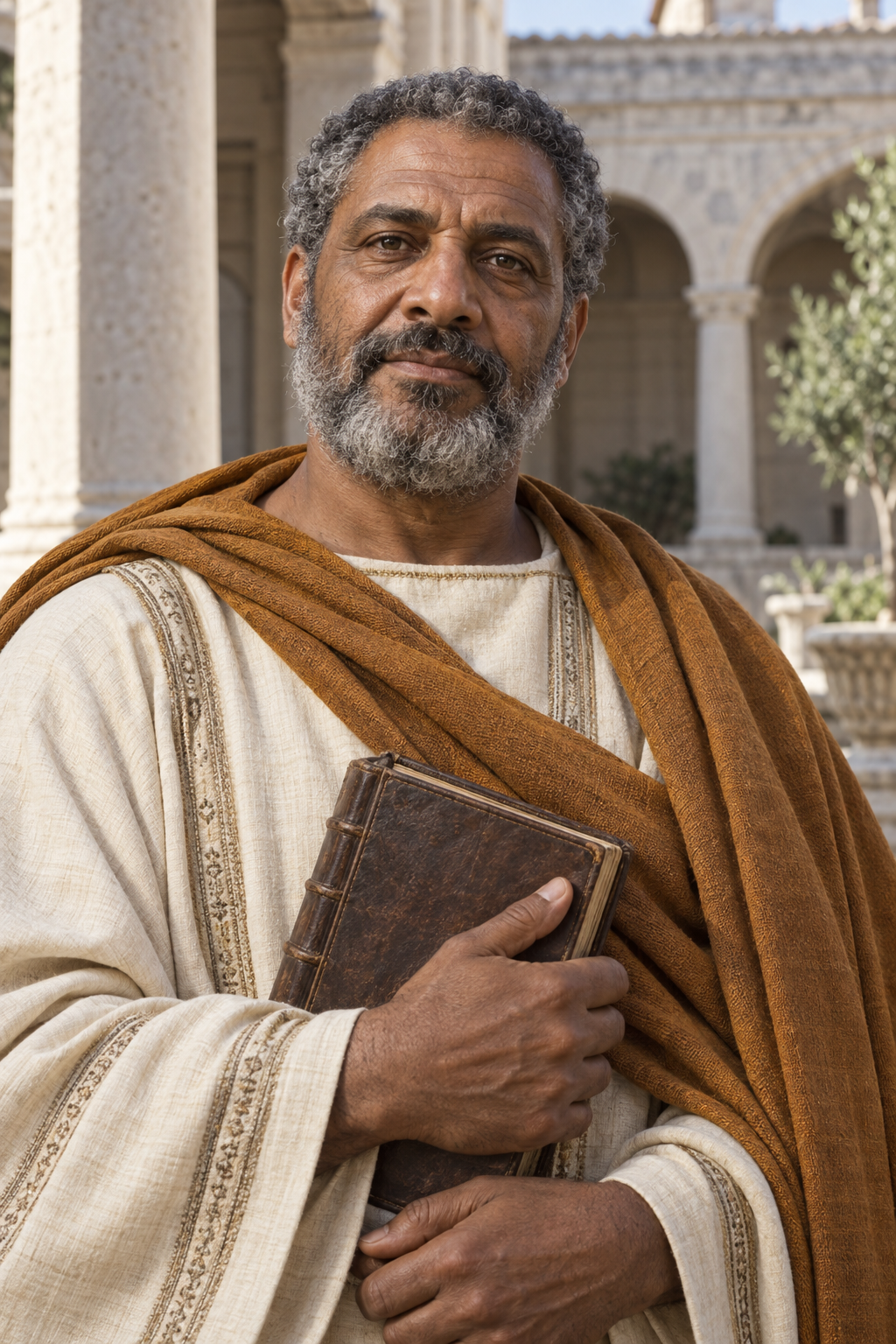
About Gelasius I
Gelasius became bishop of Rome on March 1, 492. He had already worked within the Roman clergy, and his ability as a writer had served his predecessor, Felix III. His birthplace remains disputed, with Rome and Africa both proposed.
The new pope took responsibility for a church living through war. Theoderic and Odoacer had been fighting for control of Italy, and the conflict brought hardship beyond their armies. The struggle had driven Odoacer back to Ravenna, where Theoderic's siege dragged on for years. A chronicler remembers grain becoming extraordinarily expensive in the besieged city. Theoderic eventually entered Ravenna and killed Odoacer, emerging as king while Gelasius was pope. Gelasius drew on supplies from the papal estates to help feed the people of Rome. He also received help from Theoderic, finding practical cooperation with the ruler despite their different Catholic and Arian beliefs.
People who knew Gelasius remembered the habits behind his public responsibilities. The priest Julian had been formed by him; Julian's recollections reached the writer Dionysius Exiguus, who had not met the pope himself. Dionysius describes a man whose time was occupied by prayer, reading and writing when business required it. He enjoyed conversation with other servants of God and treated his office as a serious responsibility for the lives entrusted to him. He practiced fasting and avoided extravagant meals. He preferred service to domination in exercising his authority. The same account remembers his generosity to poor people, saying that he became poor while helping to feed others.
Feeding people was an urgent task in Rome. The Book of the Popes credits Gelasius with helping the city through famine and remembers his care for both clergy and poor people. It also preserves a harsher side of his government: the expulsion of Manichaeans and the burning of their books before the basilica of Mary. That episode is reported by this early papal account, rather than established by several independent contemporary narratives.
Gelasius's care extended to a community that had left its home on the Danube. The monks of Severinus had brought their founder's body into Italy but still lacked a permanent burial place. Barbaria, a woman devoted to Severinus, invited the priest Marcianus and the brotherhood to settle near Naples. Gelasius authorized the burial, and Bishop Victor laid the body in the mausoleum she had provided at the Lucullan estate. Eugippius, a member of the community, records the pope's permission; he does not describe Gelasius attending the ceremony. The citizens of Naples received the remains with solemn honors, and the monastery founded there still existed when Eugippius wrote.
Gelasius allowed faster clerical advancement where war and famine had depleted churches. He still required scrutiny of candidates' conduct and learning.
In 494 Gelasius wrote to Emperor Anastasius about rulers and priests. He acknowledged imperial laws while insisting that the emperor also needed spiritual guidance. He approached him as someone whose eternal welfare mattered, not only as a political ruler.
The papal biography also credits him with churches outside Rome, including a dedication to Euphemia at Tibur and a church of Mary on the Via Laurentina.
The breach between Rome and the eastern churches remained unresolved during his pontificate. In defending the authority of Rome, he also upheld the historic importance of Alexandria and Antioch against the claims of Constantinople. Gelasius defended the judgment his predecessor had made against Acacius of Constantinople, and would not accept reconciliation on terms that left it aside. His determination strengthened support for him among western bishops, although it did not restore communion with the East.
At a Roman synod in March 495, Gelasius received the penitent Misenus back into communion and restored him to his church.
Gelasius was also remembered as a writer for the Church's worship and teaching. The account transmitted with Gennadius's catalogue of Christian writers credits him with works against Eutyches and Nestorius and treatments of scripture and the sacraments. The catalogue compares his hymns with those of Ambrose and remembers his prose as carefully written. It names correspondence directed against Peter and Acacius among the writings preserved in the Church.
Gelasius died in Rome in November 496 and was buried at Saint Peter's. The papal burial notice gives November 21, while later reference works differ over the day of death itself. The short pontificate left memories of both personal generosity and uncompromising leadership, alongside writings concerned with the obligations of Christian government.
His name also outlived him on a later list of approved and rejected books, the Gelasian Decree. Critical scholarship identifies that compilation as an anonymous later work, not an order issued by Gelasius himself. His authentic letters and treatises reached later generations through collections of church law. Compilers incorporated extracts, giving decisions written for particular circumstances a much wider circulation. Such collections carried his decisions beyond the immediate people and disputes he had addressed.
Wondering how to weigh the stories and sources? Learn how to read a saint biography.
Explore similar vocations
Prayers for Gelasius I
Gelasius I: sourced prayer excerpt
Increase our faith.