Biography
George of Amastris
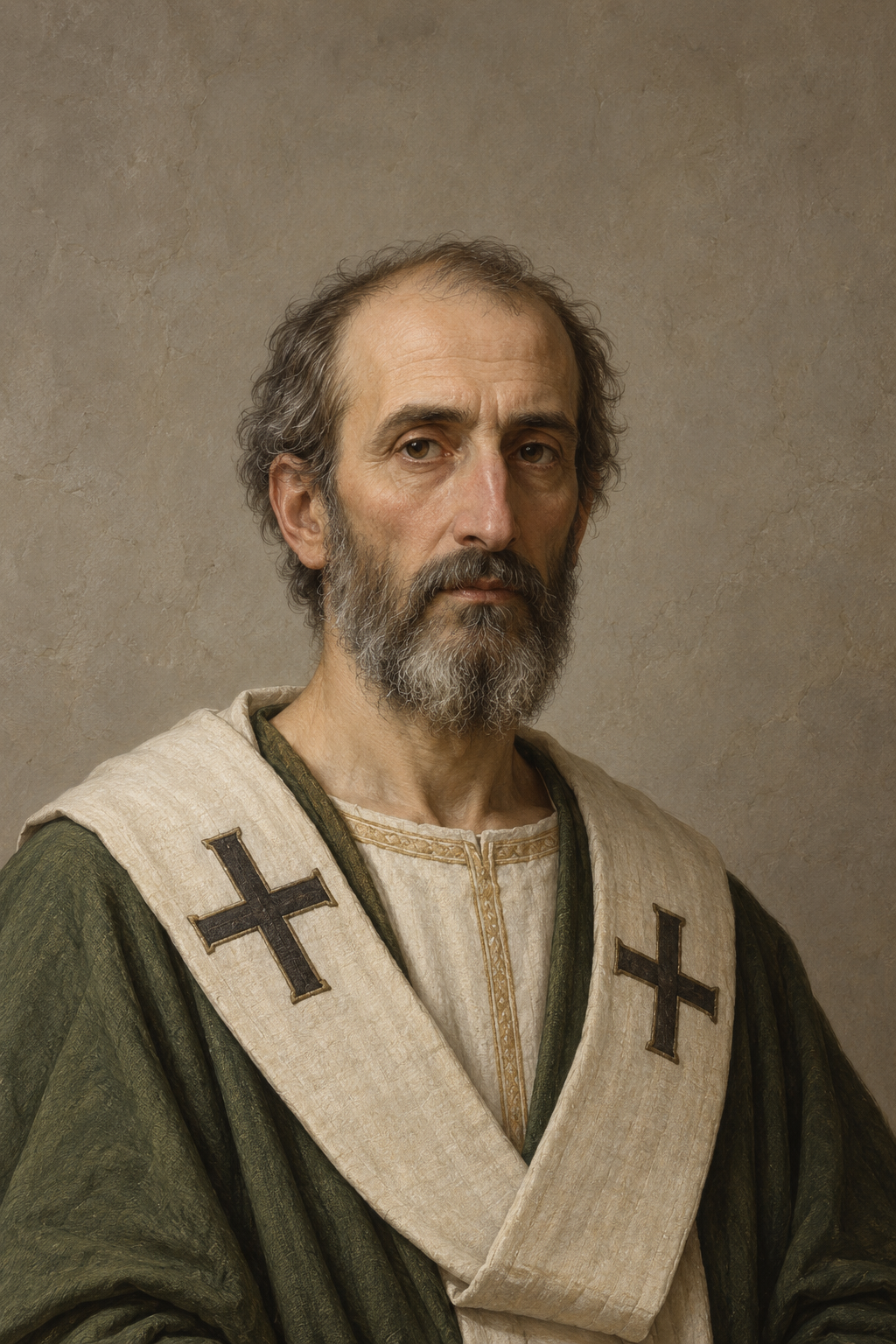
About George of Amastris
George of Amastris was a Byzantine bishop whose life is closely tied to a Black Sea port and its surrounding countryside. He came from Kromna and lived from roughly the middle of the eighth century into the opening years of the ninth. His surviving Life belongs to the tradition of saints’ lives written to praise holiness and recount miracles. Its author and precise date are disputed, and the text survives in a tenth-century manuscript.
In that Life, George leaves his home to seek solitude in the mountains of Agrioserike. He becomes the pupil of an older ascetic, who teaches him and receives him into monastic life. After his teacher’s death, he joins the community at Bonyssa. The narrative presents both solitary prayer and life with other monks as stages in his formation.
The Life then describes the people of Amastris seeking him as their bishop after the death of their previous leader. George resists the invitation, but their delegation takes him to Constantinople. Patriarch Tarasios supports his appointment. The account portrays his return as a public celebration and credits his ministry with care for poor people, relief from debts and taxes, and advocacy before officials. These are the claims of an admiring ecclesiastical narrative, rather than a surviving administrative record.
Historian Cahit Mete Oguz reads the Life as evidence of strong local identity: George repeatedly serves Amastris and its neighbors. Stories of protection from raids and floods express the community’s hopes in a dangerous setting. One account describes his posthumous intervention against Rus attackers. That raid is not independently reported, and its historical interpretation remains disputed. The story should not be treated as a securely dated military event.
The Orthodox Church in America’s account remembers George for teaching, caring for widows and orphans, feeding poor people and helping merchants threatened with execution at Trebizond. It also preserves miracle traditions about his protection of the region. Its calendar distinguishes February 21 in Slavic usage from October 25 in Greek usage. Both dates belong to his received Eastern Orthodox commemoration.
Wondering how to weigh the stories and sources? Learn how to read a saint biography.