Biography
George of Lodève
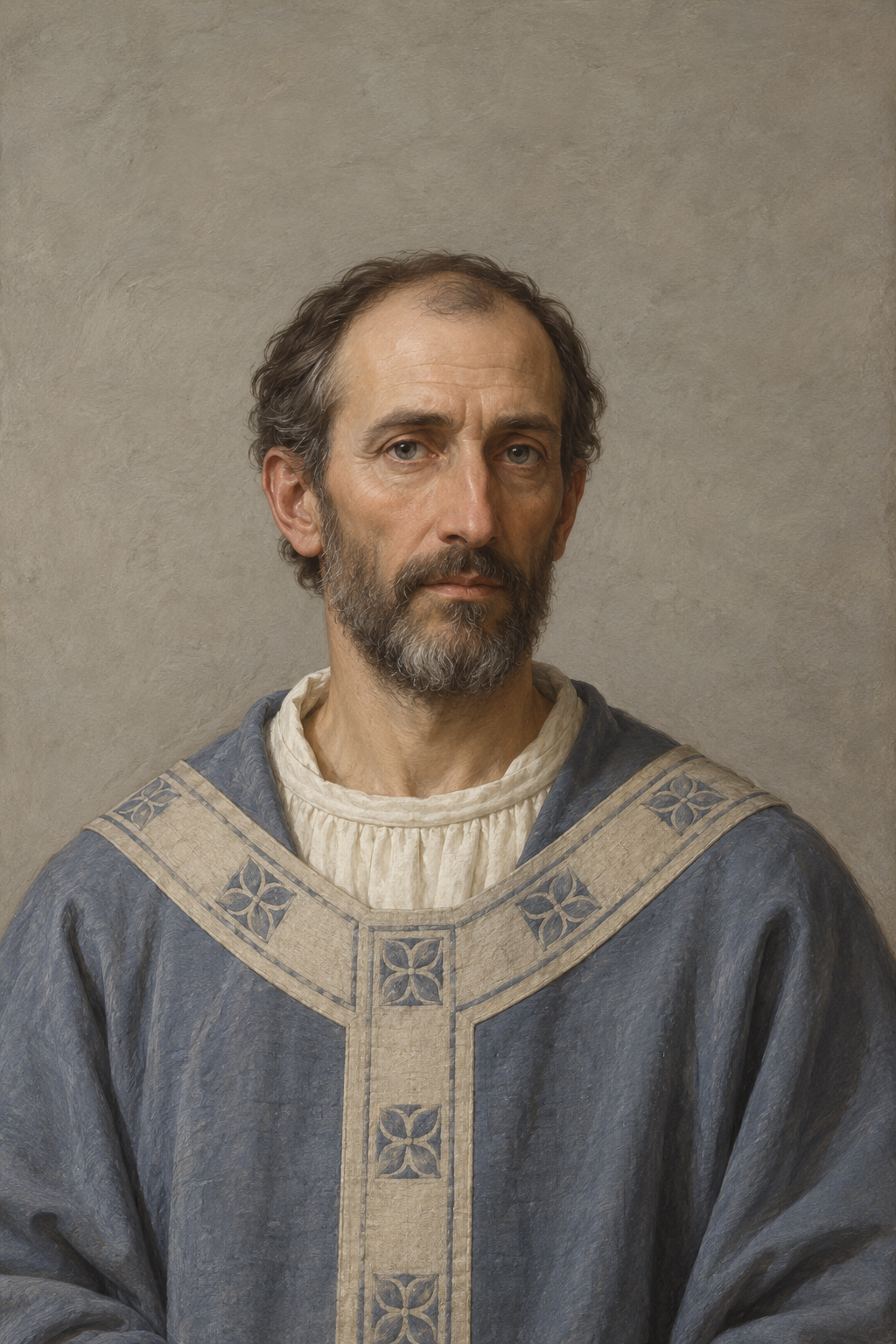
About George of Lodève
George was bishop of Lodève in southern France during the ninth century. The Diocese of Montpellier places his episcopate within the reign of Charles the Bald, from 843 to 877, but gives no precise dates for his time in office. Its list puts him between Tatila and Macarius.
A surviving thread of his work concerns the resources of his church. The Acta Sanctorum review reports a grant from Charles the Bald that included toll rights, pastures, vineyards and property at Sallesles. The editor treats this evidence, together with George’s place in the episcopal succession, as the firmest part of his history.
Later accounts offer a fuller childhood and monastic career, associating George with Conques and Vabres. Their connection to the bishop is uncertain. The Acta Sanctorum editor found essentially the same readings attached to a monk named George, without any mention of episcopal office, and proposed that two men may have been combined. The editor presented this as a possibility, not a settled conclusion.
The same review rejects a proposed election around 880, since the royal grant belonged to the lifetime of Charles the Bald, who died in 877. Neither a precise year of election nor a length of episcopal service can safely be drawn from those later readings.
George’s memory endured in Lodève’s worship. Bernard Derrieu’s study of local devotion records that his relics were kept in the cathedral until the Protestant pillage of 1573 and that his solemn feast took place in November. George retained a place in the historical succession of bishops even as other early local traditions came under question.
The modern diocesan list continues to include George among the saints of the local calendar. The modest surviving record has not erased his place in the church’s remembrance. His veneration also survives at Saint-Juéry, in Saint-Amans-des-Cots in Aveyron. A report of the village celebration in 2025 explicitly identifies its church’s patron as George, bishop of Lodève. Residents gathered for Mass and then shared refreshments together, continuing an annual local observance.
Nominis lists his local feast on November 9.
Wondering how to weigh the stories and sources? Learn how to read a saint biography.