Biography
Hamai of Kahyor
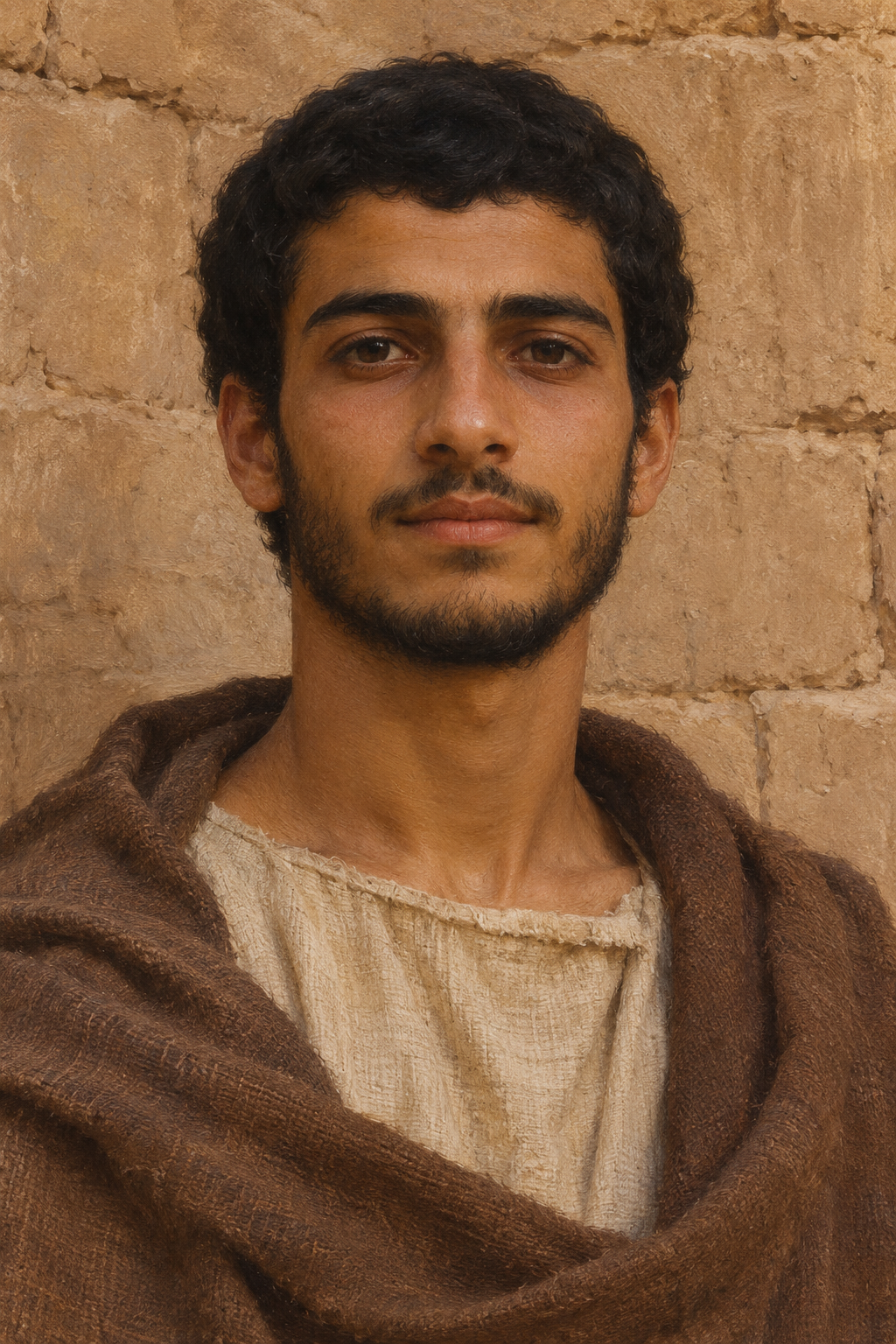
About Hamai of Kahyor
Hamai is remembered as a monk of the Pachomian house at Qahyur near Shmun in Upper Egypt. His cult appears in Coptic liturgical documents, while his Life survives as a notice in one manuscript of the Upper Egyptian Copto-Arabic synaxarion. The notice places him in the monastery’s service work, apparently helping provide for the community’s daily needs. That concrete duty gives a glimpse of a younger monk’s place within the organized federation.
The narrative says Patriarch Cyril of Alexandria asked Pachomius the Younger, superior of the federation at Pbow, to come discuss church disputes. The text calls the opponents “Arians,” but René-Georges Coquin cautions that medieval Arabic usage could cover different groups. Pachomius traveled by river with senior monks, including Yunas and Nibus, and stopped at Qahyur. Hamai asked to accompany them toward Alexandria. A long vision recounted on the boat contrasts the imagined destiny of faithful and faithless monks.
In Alexandria, Hamai is said to have reproached the city’s prefect for pride and harshness. The official had him crucified and then beheaded. Coquin compares the setting with the historically attested conflict between Cyril and the prefect Orestes early in Cyril’s tenure. The synaxarion does not name Orestes, and similarity of setting does not prove the particular confrontation or execution occurred as narrated. Unlike many martyr Passions, this one does not stage a demand that Hamai sacrifice or renounce his faith.
The account ends with Hamai’s burial at Alexandria and later veneration. Its named monasteries, river journey, and attention to the responsibilities of a federation make it a distinctive Pachomian story. Yet it is a condensed later witness, probably drawn from a lost Coptic Life. Hamai’s historical date, words to the prefect, and precise circumstances of death remain beyond direct verification.
Wondering how to weigh the stories and sources? Learn how to read a saint biography.