Biography
Hilarion the New
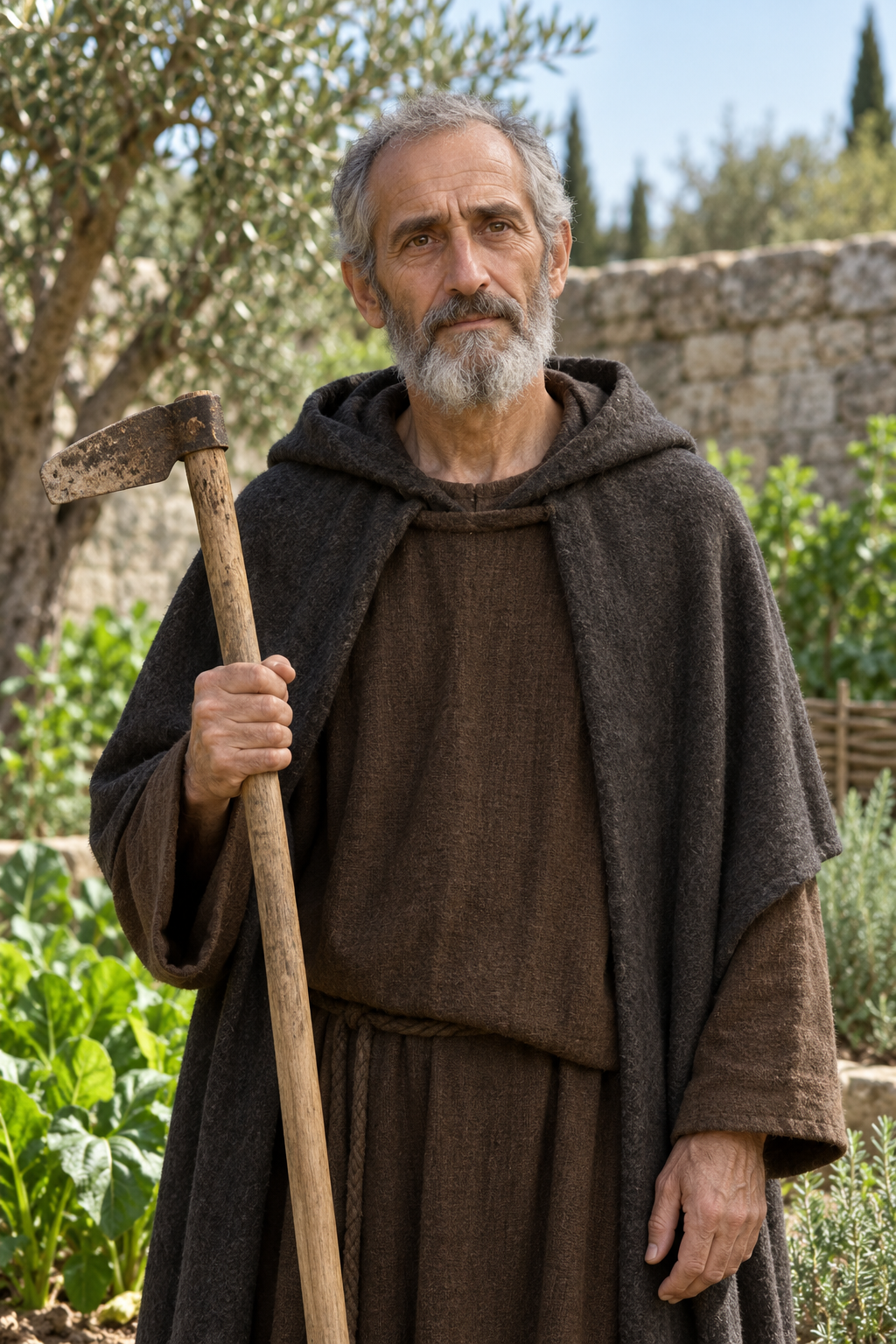
About Hilarion the New
Hilarion the New was an abbot of the Dalmatian Monastery in Constantinople, remembered for resisting imperial pressure to reject the veneration of icons. The Orthodox Church in America commemorates him on June 6. Its account describes repeated imprisonment, mistreatment and exile, followed by his return to the community he had led.
His early life is clearer in scholarly studies than in some popular retellings. The Prosopography of the Middle Byzantine Period places his birth in Constantinople around 770, preferring that chronology to a later calendar’s date of 776. He entered the Xerokepion monastery as a young adult and subsequently moved to the Dalmatian community. He worked there as a gardener before becoming its superior.
The community he joined had already survived an earlier conflict over images. The Orthodox Encyclopedia’s history of the monastery records that Emperor Constantine V expelled its monks and turned their buildings into barracks. Monastic life resumed after the council of 787. Hilarion therefore belonged to a restored house with a long history of religious controversy, rather than founding a new community. Its name came from Dalmatus, an earlier superior. The monastery’s standing also helps explain the respect shown to Hilarion by Theodore the Studite. In his letters Theodore addressed him as archimandrite, father and exarch. These titles placed Hilarion within the leadership of the capital’s monasteries; his responsibilities extended beyond his earlier work in the garden.
The sources do not all tell the same story. The Orthodox Encyclopedia distinguishes a ninth-century Life by Sabas from a later Constantinopolitan calendar account. The earlier Life survives beneath another text in a Vatican manuscript. It identifies Hilarion’s monastic guide as Gregory, abbot of the Dalmatian Monastery, rather than Gregory the Decapolite, with whom later accounts confused him.
The early Life also remembers his encouragement of fellow monks who were struggling with their vocation, alongside his own endurance of criticism within the community.
His remembered monastic discipline was not limited to suffering in prison. Historian Dirk Krausmüller notes that the calendar account emphasizes years of quiet service, obedience and humility. It does not describe his fasting. Krausmüller cautions against drawing a firm conclusion from that silence without the fuller Life: the brief calendar entry cannot establish every detail of Hilarion’s daily practice.
When the monks elected Hilarion abbot, he withdrew to another monastery. His community sought the patriarch’s help in bringing him back. His appointment is also reflected in a discourse by Theodore the Studite, who praised his character. Theodore later addressed a letter to him and mentioned him in other letters during the renewed conflict over images. These contemporary references provide evidence beyond the later devotional narrative.
The Orthodox account remembers his refusal to abandon the icons despite pressure from both emperor and patriarch. It describes his community’s efforts to secure his release and his renewed imprisonment when he continued his religious practice. It also tells of a vision at Theodore the Studite’s death; this belongs to the devotional story, rather than to independently established observation.
The detailed Life contains episodes requiring similar care. The Orthodox Encyclopedia identifies literary parallels in the emperor’s debate with Hilarion and warns against treating every seven-year period in the narrative as exact arithmetic. Reports of miraculous healing express the author’s understanding of his holiness; they do not establish medical effects or a particular patronage.
Hilarion also took part in a collective appeal beyond Constantinople. Oscar Prieto Domínguez’s study identifies him among the abbots who signed two letters to Pope Paschal I seeking support for the veneration of images. Theodore the Studite wrote the letters, and superiors of several other monasteries joined Hilarion in signing them. This was a shared effort by monastic leaders to obtain support during the conflict, alongside the resistance described in accounts of their imprisonment. The study traces the signatures through Theodore’s correspondence, including his reference to the appeals in another letter.
His difficulties did not end with his first release. The scholarly reconstruction records a further arrest after he was accused of sheltering supporters of the rebel Thomas, and later exile to Aphousia under Theophilus. After the restoration of images, he resumed leadership of the Dalmatian Monastery in 843.
After the restoration of images, Hilarion supported Patriarch Methodios. Prieto Domínguez places him among the prominent defenders commemorated in the Synodikon of Orthodoxy, the text acclaiming the Church’s victory over iconoclasm. Other records cited in the study associate him with Ioannikios and Symeon as leaders of abbots, ascetics and stylites. His reputation thus belonged to a wider network of religious leaders whose support mattered in the settlement after persecution.
Hilarion’s story ends with a return to monastic responsibility rather than a martyr’s execution. The Orthodox Encyclopedia dates his death to June 6, 845. His enduring commemoration honors a monk whose religious convictions brought him into prolonged conflict with imperial power.
Wondering how to weigh the stories and sources? Learn how to read a saint biography.