Biography
Isaac of Tiphre
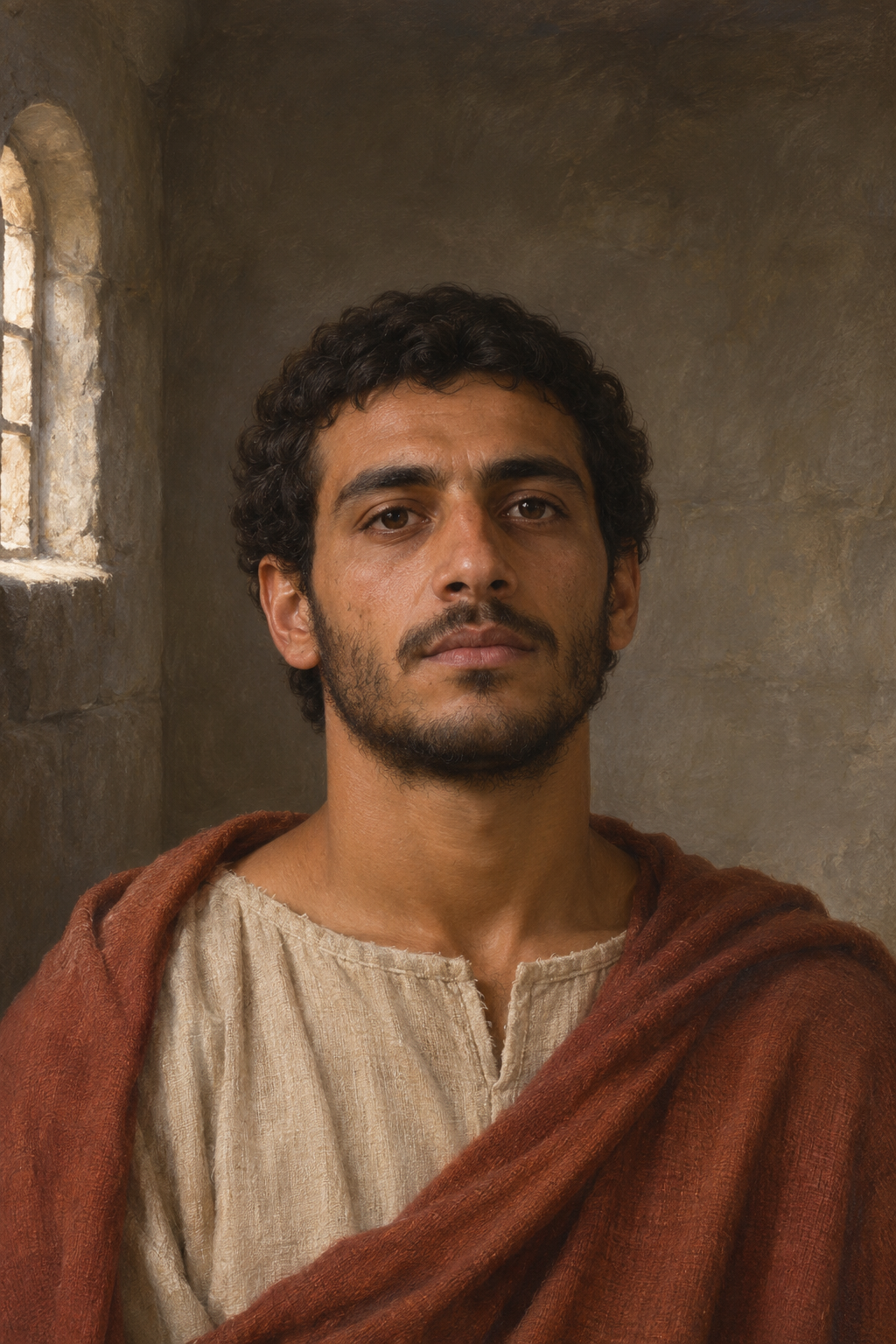
About Isaac of Tiphre
Isaac is commemorated in the Coptic Church as a martyr from Tiphre, a village in the Nile Delta near Panau. The Coptic Encyclopedia notes that his Passion is preserved in Bohairic manuscripts at the British Museum and Vatican Library, but that the saint is not known in other church traditions. The text’s style places it among late Coptic martyr narratives, likely composed in the seventh or eighth century around a locally venerated name. It is therefore a source for the formation of his Coptic cult as well as for the story told about him.
In the Passion, Isaac is twenty-five and lives as a Christian while Diocletian’s anti-Christian edicts are being enforced. The prefect Culcianus carries the orders south from Alexandria. An angel urges Isaac to confess his faith, and he presents himself to the prefect as he travels through the region. Culcianus places him in the custody of a soldier named Dionysius, who tries to persuade him to sacrifice to Roman gods. These scenes belong to a later narrative, not to a contemporary account of a provincial trial.
The story says that Isaac’s witness converts Dionysius, and that Culcianus kills the soldier when he returns. Isaac is then tortured and handed to the governor Arianus, who takes him farther south. Christians care for Isaac during the journey. The narrative adds debate, visions, miracles, and further torture before his beheading. A figure named Christopher appears at the end as the author. The Coptic Encyclopedia cautions that the Passion probably grew around a locally remembered martyr; its elaborate episodes cannot establish the historical details of the persecution.
Isaac’s surviving commemoration is local to the Coptic calendar, where his feast is 6 Bashans. The sources do not provide an independently verified date for his death or evidence that his Passion circulated widely outside Egypt. What can be said with confidence is that a Bohairic martyr story was copied in several manuscripts and preserved a Christian memory attached to Tiphre. The Passion preserves a Coptic devotional memory attached to Tiphre; its dramatic trial and miracles belong to the text’s hagiographic account.
Wondering how to weigh the stories and sources? Learn how to read a saint biography.