Biography
Ithamar of Rochester
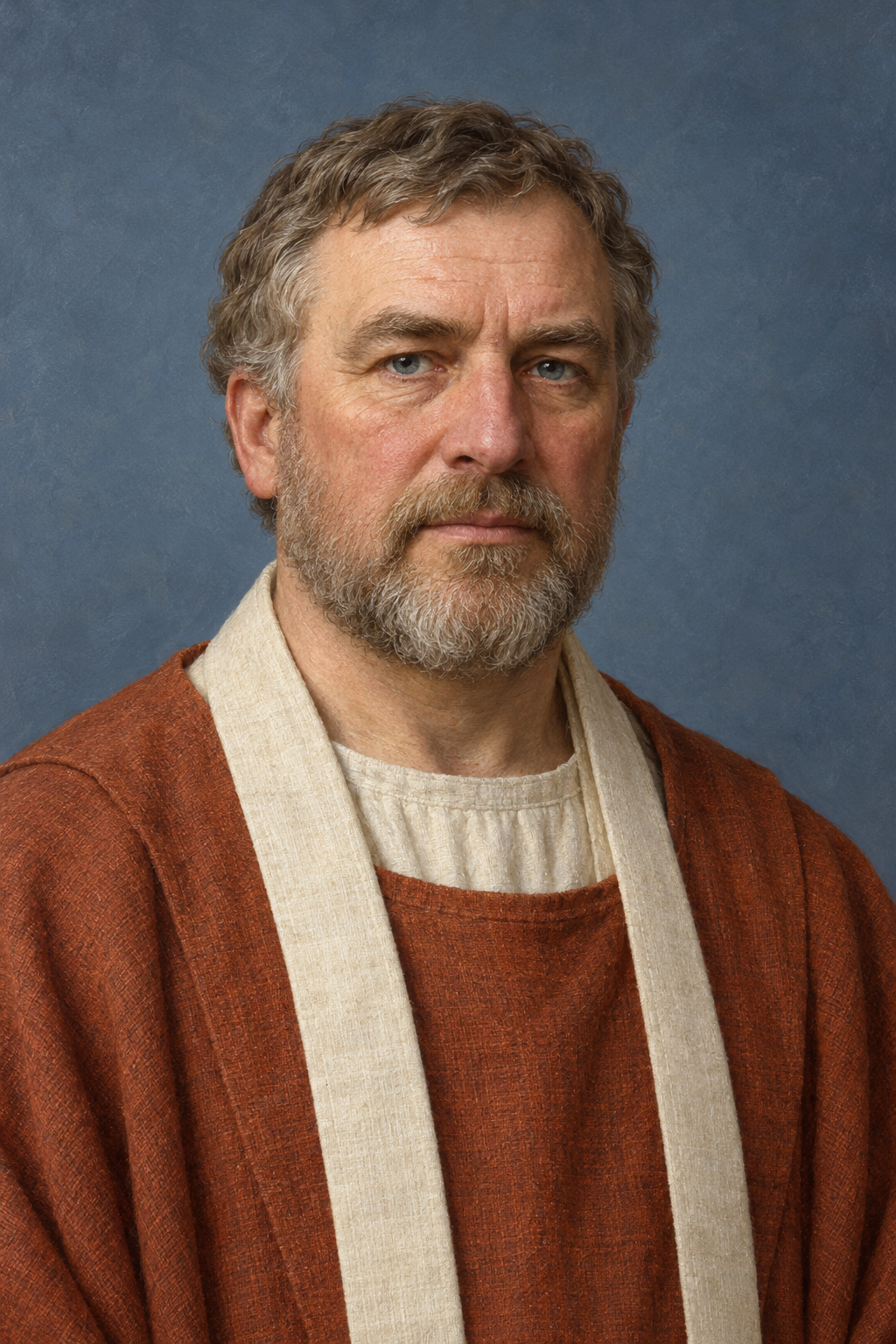
About Ithamar of Rochester
Ithamar became bishop of Rochester after Paulinus died in 644. Bede identifies him as a man of Kent, consecrated by Archbishop Honorius, and praises his learning and manner of life as equal to those of his predecessors.
He was the first Anglo-Saxon consecrated as a bishop in Britain. He later consecrated Deusdedit as archbishop of Canterbury in 655. His own death cannot be dated precisely: the succession described by Bede places it between 655 and 664. A document naming him as a witness to a royal grant for Peterborough does not settle the chronology, because historians regard that charter as an eleventh-century forgery.
His name offers another glimpse into this early church. Ithamar was the name of one of Aaron’s sons in the Old Testament. Historian Richard Sharpe argues that he adopted it at consecration and that the choice may reflect British Christian influence. Sharpe presents this as a clue to contacts that are less visible in Bede’s account, rather than proof of a detailed personal history.
Much of the surviving record concerns how later generations remembered him. A Rochester library catalogue of 1202 listed works about his life and miracles, but the biographical works have not survived. A miracle collection remains in a twelfth-century manuscript at Corpus Christi College, Cambridge. It relies on Bede for its limited account of his lifetime.
That collection tells of healings associated with his relics, including illnesses of the eyes, and links renewed devotion with the movement of his remains to more honored shrines. These are medieval accounts of faith and healing, not contemporary evidence about his seventh-century ministry.
Medieval calendars associated with the Rochester diocese commemorate him on June 10, preserving a local observance alongside those of other early bishops. Rochester Cathedral dedicated new shrine markers for Ithamar and Paulinus on September 24, 2023. Their medieval shrines had been destroyed after the Reformation. Fragments believed to belong to the later shrines are displayed in the cathedral’s crypt exhibition.
The eastern crypt is also known as Saint Ithamar’s Chapel, giving his name a continuing place within the cathedral.
Wondering how to weigh the stories and sources? Learn how to read a saint biography.